
 English
Convention - CinemaCon 2026: How Studio Posters Revealed the Future of Theatrical Movies
By Mulder, Las Vegas, Caesars Palace, Dolby Colosseum, 12 april 2026
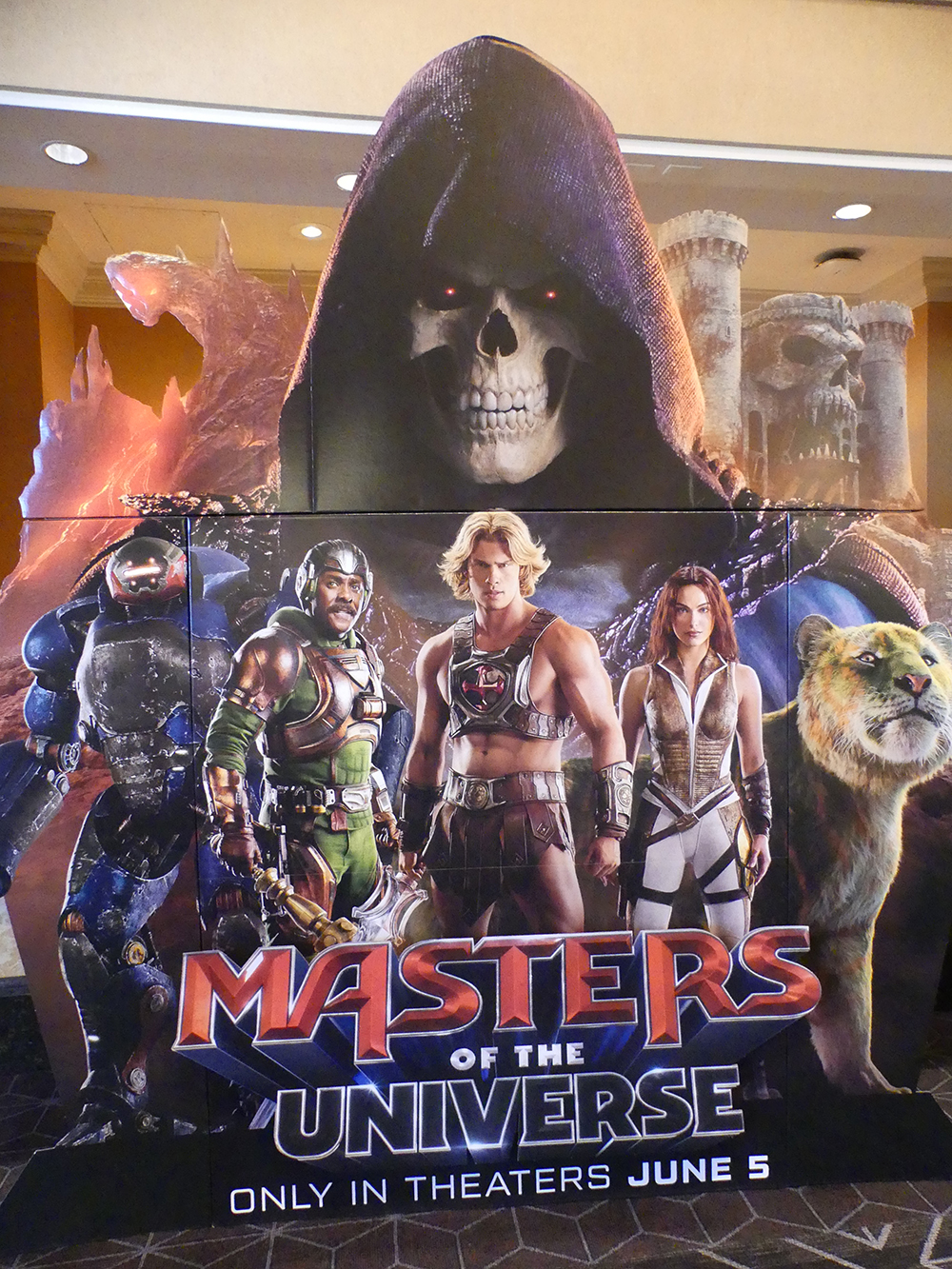
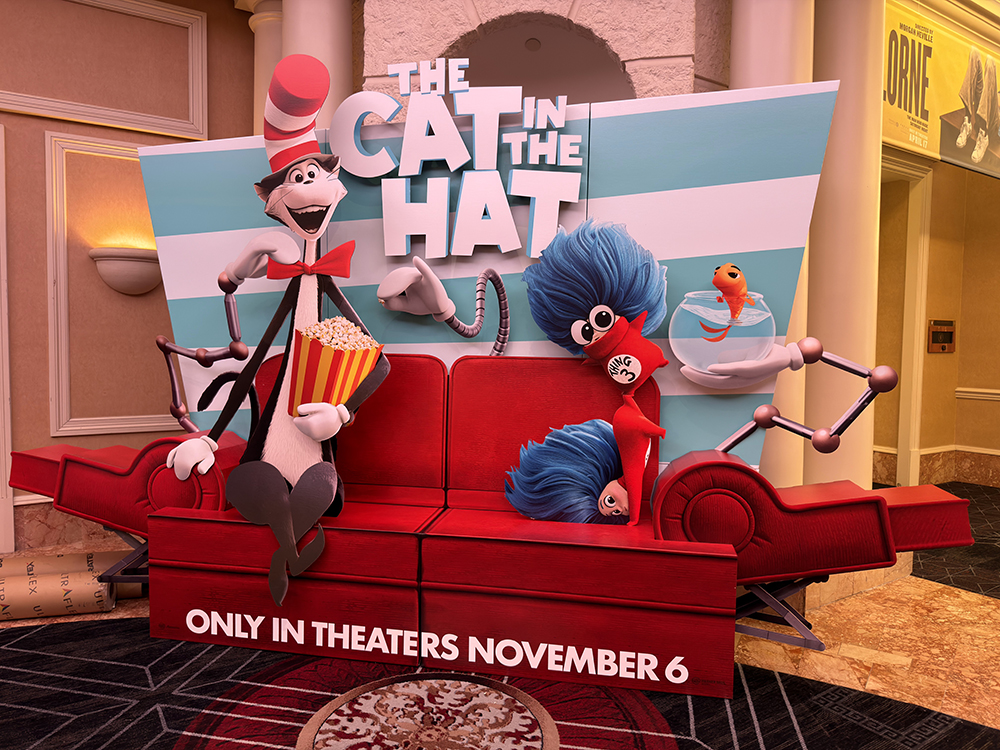
CinemaCon 2026 once again proved that posters remain one of Hollywood’s sharpest strategic weapons, with studios using Caesars Palace hallways, theater lobbies and presentation stages to sell not only movies, but confidence, scale and identity. While trailers generate immediate reactions, posters are often the first distilled statement of how a studio wants exhibitors and media to perceive a title. This year’s lineup made one trend unmistakable: nearly every major company split its campaign between established IP and filmmaker-driven originals, using visual marketing to reassure theater owners that event cinema still matters. Verified coverage from trade outlets and convention reporting confirms that titles such as Dune: Part Three, Avengers: Doomsday, The Odyssey, Supergirl, Spider-Man: Brand New Day, and multiple new originals were central to the 2026 conversation.
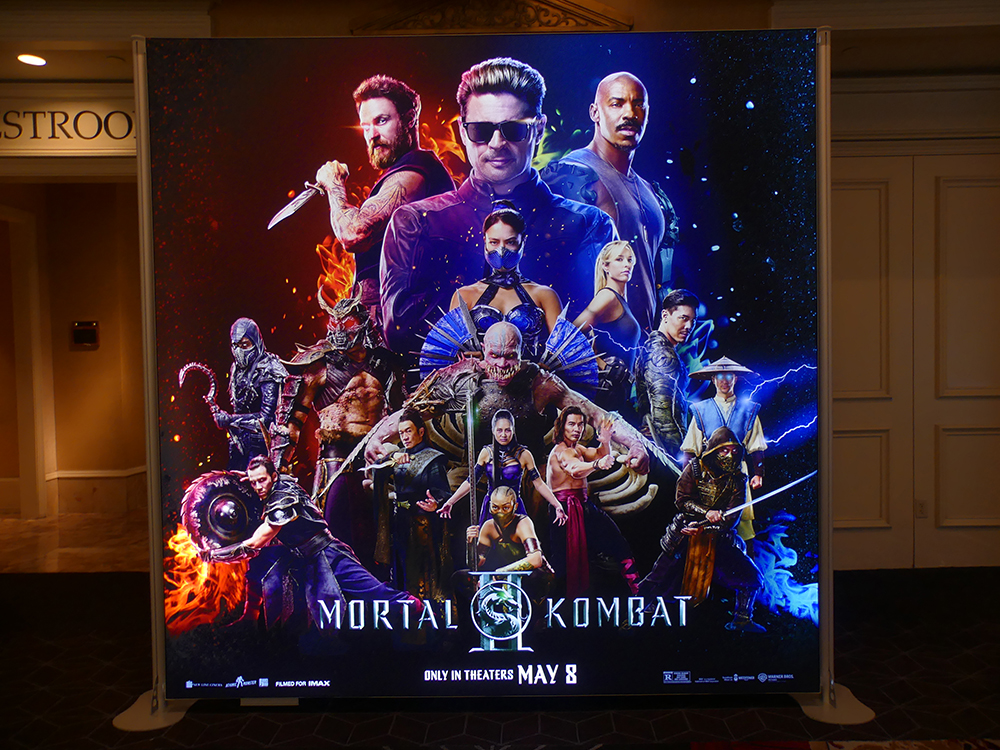
The most discussed prestige poster appears to have been The Odyssey, with Christopher Nolan’s adaptation positioned as an old-school cinematic epic rather than another franchise extension. Reports from CinemaCon coverage noted fresh footage and the technical emphasis on custom IMAX photography, suggesting the poster campaign likely leaned into scale, myth and elemental imagery rather than character clutter. That is a key insight: when a filmmaker’s name becomes the brand, studios often minimize cast overload and instead sell authorship. With Matt Damon leading the project, Universal’s likely strategy was to make the one-sheet feel timeless and premium, a direct contrast to the busier collage style used for comic-book films.
Warner Bros. used posters to communicate range, but Dune: Part Three was arguably its crown jewel. Even without full creative details publicly disclosed at the convention, the title’s mere presence signaled that Warner Bros. wants exhibitors to view the studio as the home of modern large-format spectacle. A strong Dune poster does not need many faces or taglines; sand, architecture, silhouette and scale are enough. The insight here is commercial: after the first two films turned visual austerity into a marketable identity, the studio can now advertise atmosphere itself. That is rare, and it means the brand has graduated beyond star dependency.

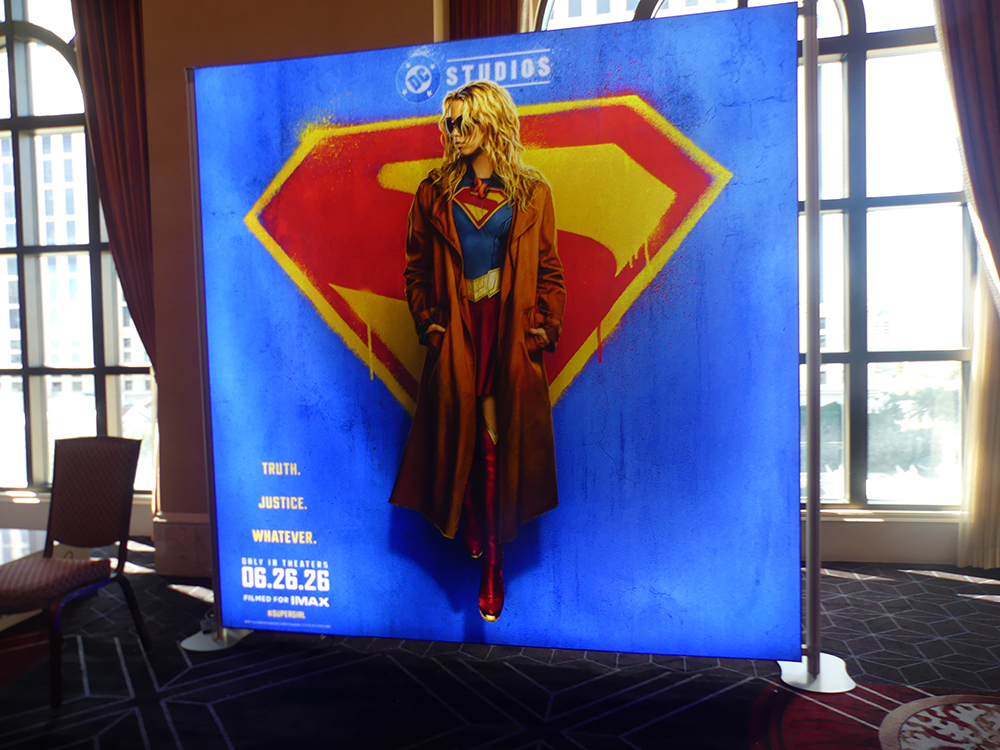
At the opposite end of the tonal spectrum, Supergirl reportedly stood out because Warner Bros. needed a clean symbolic reset for DC branding. With Milly Alcock associated with the project in CinemaCon coverage, the poster campaign likely carried a brighter and more character-forward design language than the heavier palette used in past DC eras. This matters because one poster can telegraph whether a superhero universe is continuing old baggage or inviting new audiences. If Supergirl leaned aspirational rather than grim, that would be a deliberate message to theater owners that DC’s next phase intends to broaden demographics.
Disney’s Avengers: Doomsday reportedly dominated attendee chatter simply because the Marvel logo still functions as exhibition shorthand for opening-weekend traffic. Yet the challenge for Marvel in 2026 is no longer recognition, but freshness. A CinemaCon poster for this title likely had to promise consequence, scale and novelty at once. The unique marketing tension is that Marvel must sell familiarity while avoiding visual repetition. If the one-sheet emphasized darker iconography or a singular villain presence instead of a crowd lineup, that would suggest Disney understands audience fatigue with interchangeable ensemble art.
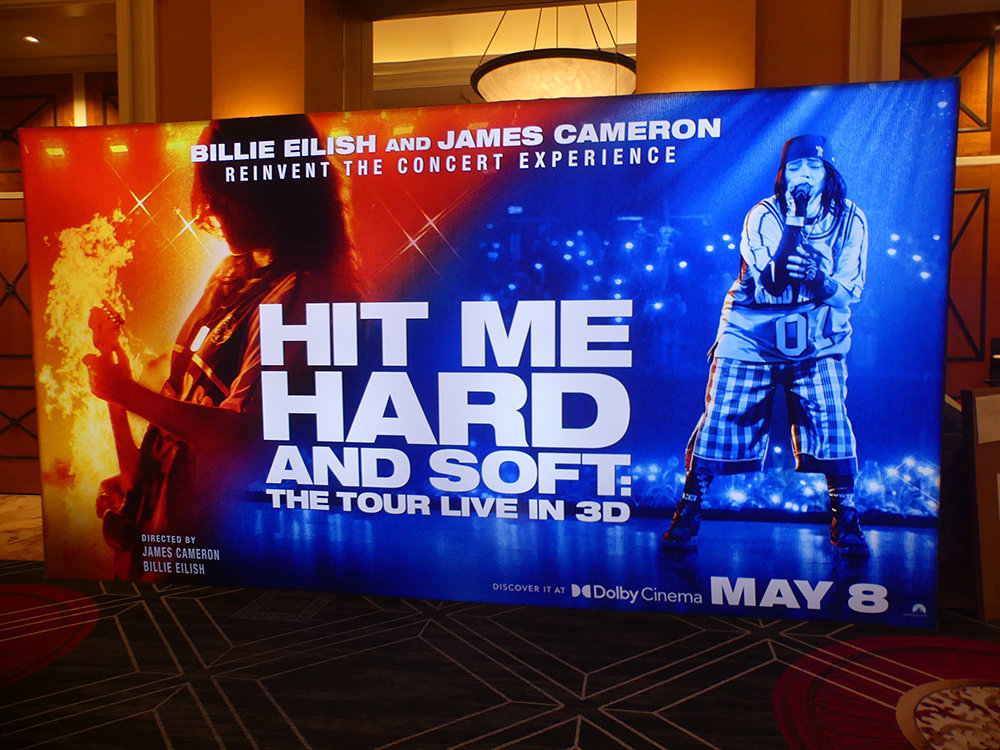
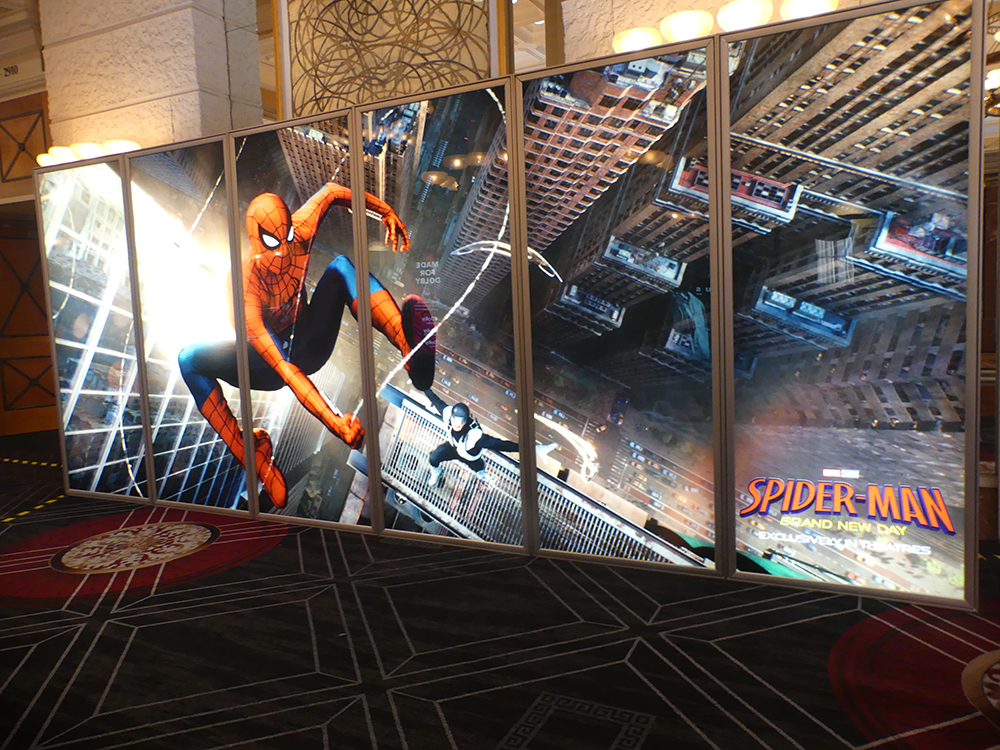
Sony’s Spider-Man: Brand New Day benefited from perhaps the strongest single-character poster logic at the convention. Spider-Man remains one of the few brands where a simple pose, suit reveal or skyline composition can carry an entire campaign. CinemaCon reporting identified the title among the major showcased franchise draws, and Sony likely used that recognition to keep the imagery elegant rather than overloaded. The strategic insight is that Spider-Man posters often succeed most when they leave space for curiosity; mystery around costume evolution or tone can generate more engagement than showing every supporting character.
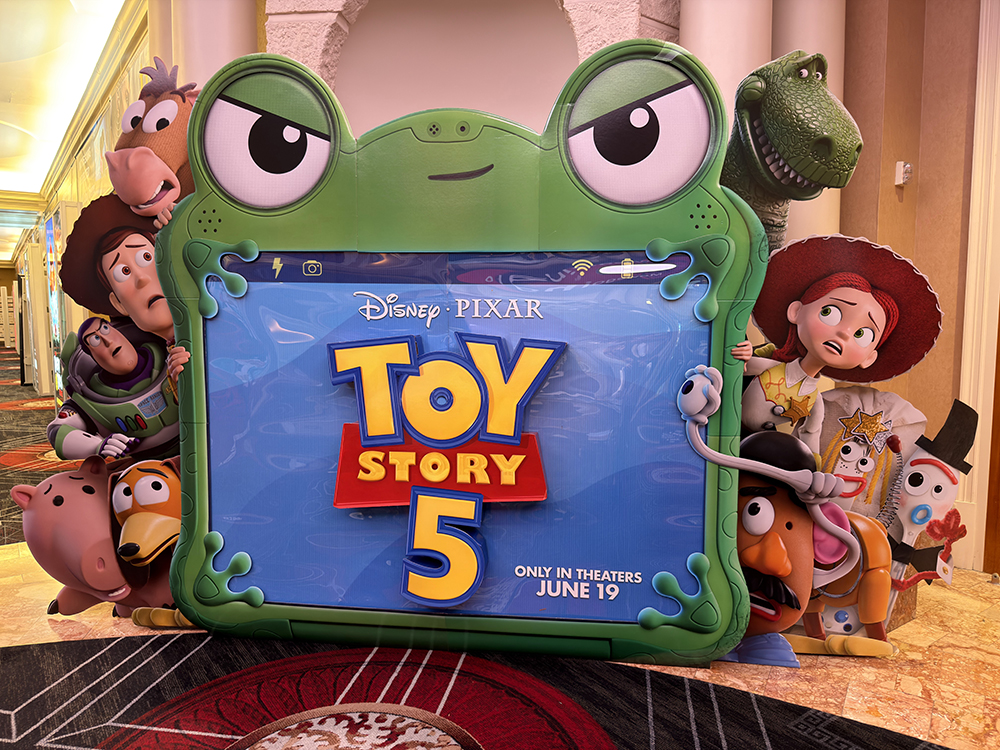
Among originals, Disclosure Day emerged as a significant visual talking point because it pairs Steven Spielberg with a suspenseful science-fiction premise starring Emily Blunt and Josh O’Connor. Coverage highlighted strong attendee response to footage, meaning the poster likely needed to bridge mainstream accessibility with auteur intrigue. For Spielberg, the best campaigns often center on a single uncanny image rather than narrative exposition. If the design leaned into ordinary suburbia disrupted by cosmic anomaly, it would follow the lineage of high-concept posters that invite speculation without overexplaining the story.
Another title generating strong industry curiosity was Digger, directed by Alejandro G. Iñárritu and starring Tom Cruise in a transformative comedic role according to reports. That combination alone makes the poster fascinating from a positioning standpoint. Cruise is usually marketed through motion, heroism and intensity, while Iñárritu leans psychological and satirical. A successful one-sheet would need to reconcile those brand identities. If Warner Bros. embraced an offbeat or disguised image of Cruise rather than standard star glamour, it would indicate confidence that audiences will come for reinvention, not just familiarity.
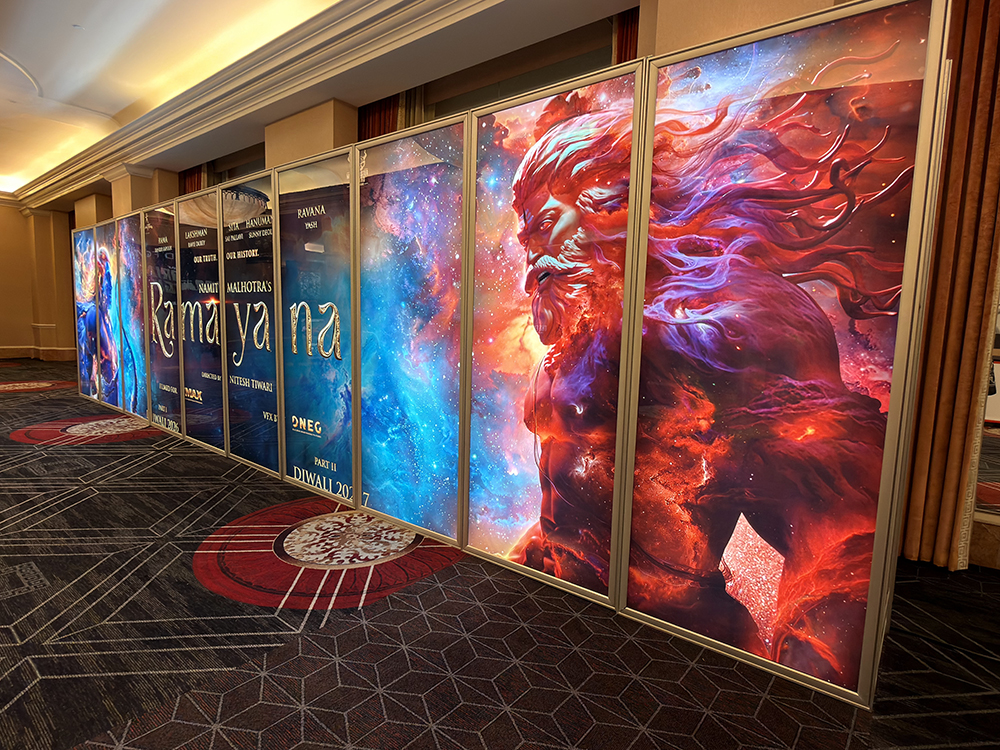
Internationally, Ramayana: Part 1 made notable waves with reports that posters featuring Ranbir Kapoor as Rama and Yash as Ravana debuted at CinemaCon alongside Hollywood tentpoles. That is strategically important beyond fandom enthusiasm. It suggests CinemaCon is increasingly a global marketplace where non-U.S. spectacles seek premium theatrical positioning. The contrast-driven dual-character imagery reportedly used for these reveals also reflects a broader trend: mythological epics are being sold with the same premium visual confidence once reserved almost exclusively for Western franchises.
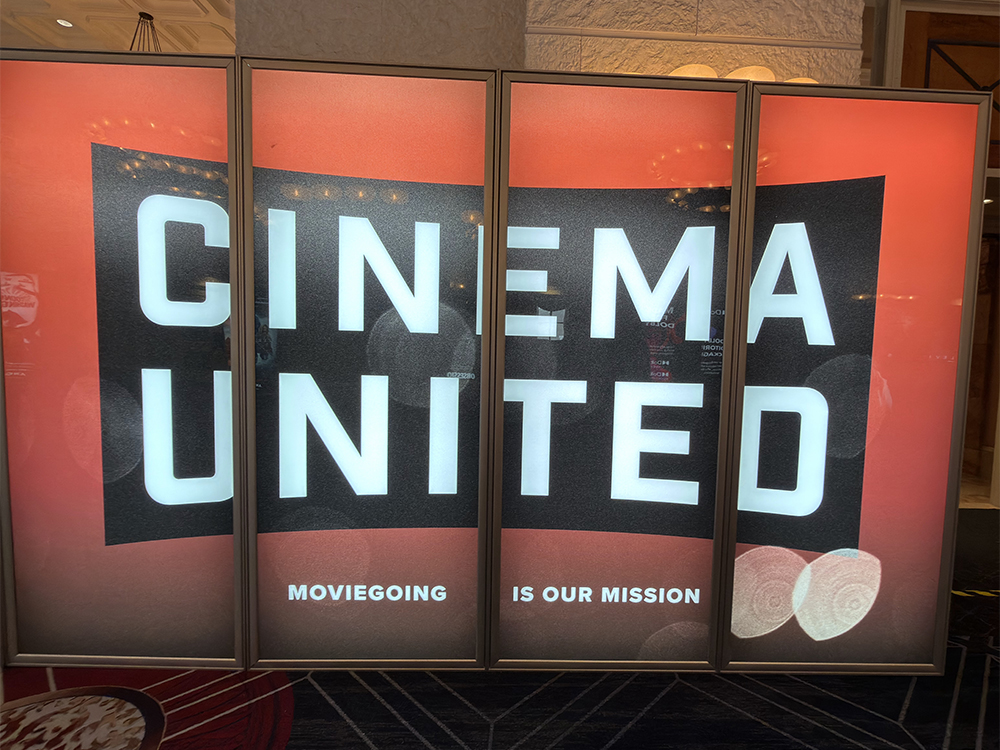
Perhaps the clearest overall lesson from CinemaCon 2026 is that posters have become less about summarizing plots and more about signaling category. One look must tell exhibitors whether a film is “must-see IMAX event,” “family four-quadrant play,” “prestige auteur release,” or “fan-driven franchise launch.” This year’s strongest campaigns appear to understand that instinctively. Whether through the monumental austerity of Dune: Part Three, the mythic seriousness of The Odyssey, the reset energy of Supergirl, the corporate confidence of Avengers: Doomsday, or the global ambition of Ramayana: Part 1, the best CinemaCon posters did what trailers often cannot: they sold identity in a single glance.
You can discover our photos in our Flickr account
Photos : Boris Colletier / Mulderville