
 English
Convention - CinemaCon 2026 : Las Vegas Delivers a Triumphant Edition as Hollywood Recommits to the Big Screen
By Mulder, Las Vegas, Caesars Palace, Dolby Colosseum, 16 april 2026

Photo courtesy of David Becker Getty Images for CinemaCon. All Rights Reserved.
CinemaCon 2026 closed in Las Vegas with a mood that felt markedly different from the caution and uncertainty that had shadowed earlier post-pandemic years: this was an edition defined by confidence, volume, spectacle and, above all, a renewed collective belief in theatrical moviegoing. Across four packed days at Caesars Palace’s Dolby Colosseum, the world’s major studios, specialty distributors and rising independents did not simply present release slates; they staged a coordinated argument that cinemas remain the beating heart of the entertainment business. Whether through blockbuster sequels, filmmaker-driven originals, repertory revivals or star-filled live appearances, the message repeated itself with unusual consistency: audiences still want reasons to leave home, and the industry is determined to give them those reasons.
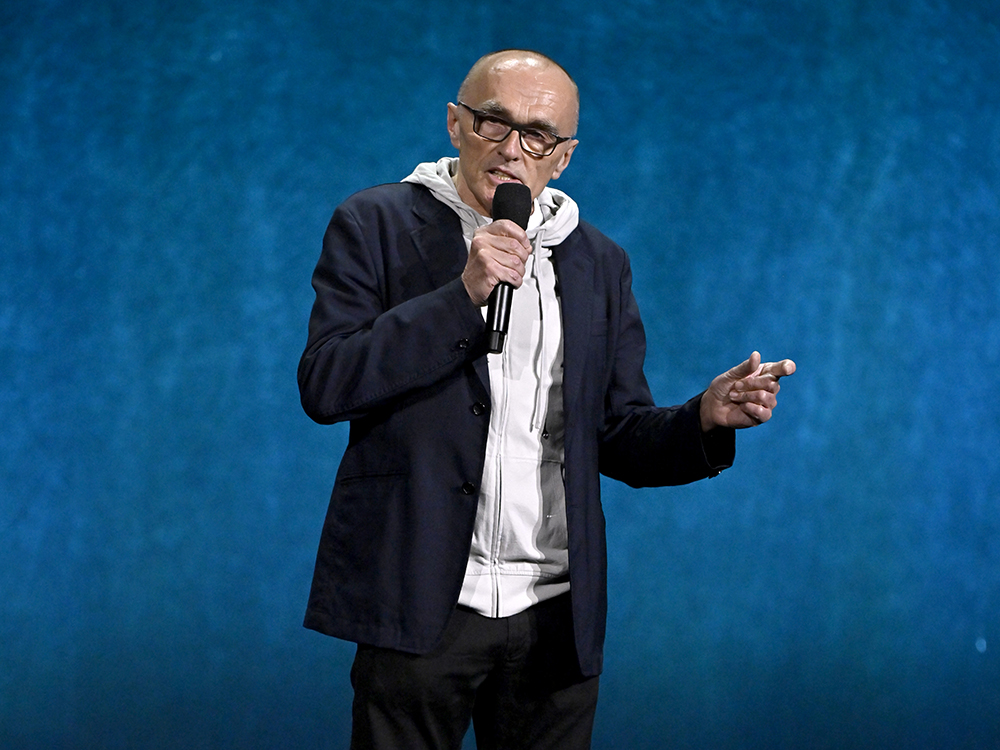
Photo courtesy of David Becker Getty Images for CinemaCon. All Rights Reserved.
Meanwhile, independents and specialty players helped define the soul of this year’s event. NEON presented itself not as a boutique outsider but as a genuine modern studio capable of mixing awards contenders with crowd-pleasing genre fare. Sony Pictures Classics reminded the industry that curation, repertory revivals and adult-skewing dramas still matter. Studiocanal impressed with announcements ranging from Paddington 4 to legacy-title reissues, while Angel Studios showed growing ambition through a broad slate aimed at underserved audiences. Together, these companies delivered one of the strongest signals of the week: theatrical health depends not only on billion-dollar franchises, but on variety.
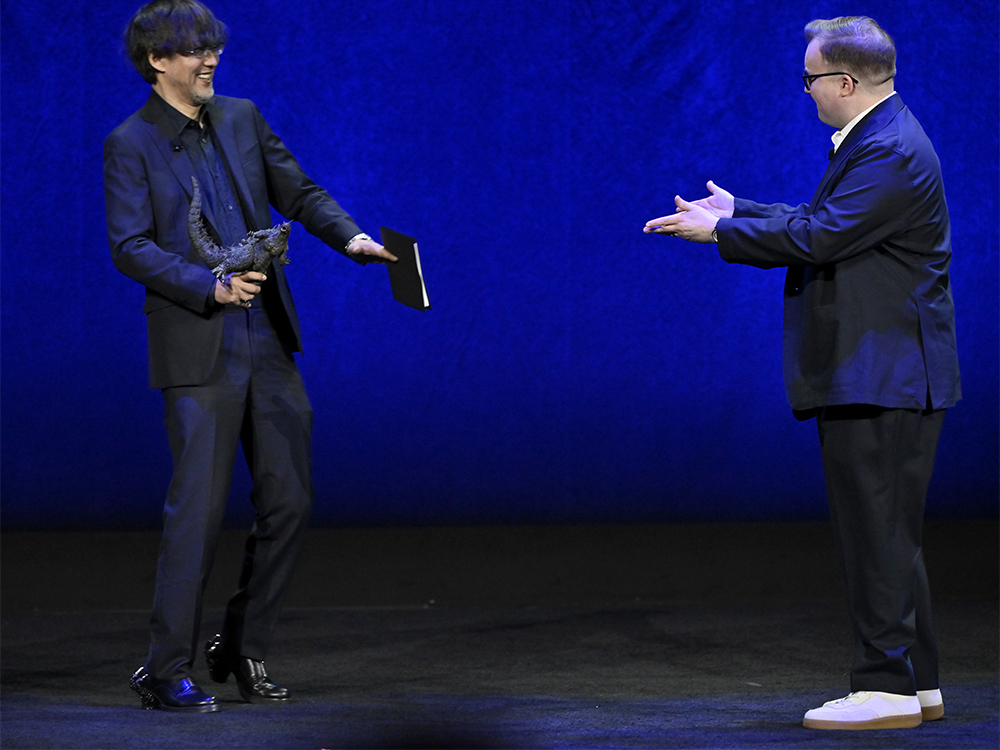
Photo courtesy of David Becker Getty Images for CinemaCon. All Rights Reserved.
Another notable theme was the premium-screen race. IMAX, large-format presentations and eventized experiences were referenced repeatedly across studio showcases. From Christopher Nolan’s technical ambitions to Japanese spectacle like Godzilla Minus Zero and the continued emphasis on sound, scale and immersive presentation, studios increasingly understand that modern audiences need more than content—they need an experience unavailable in the living room. That shift may be one of the most commercially important takeaways of the week.
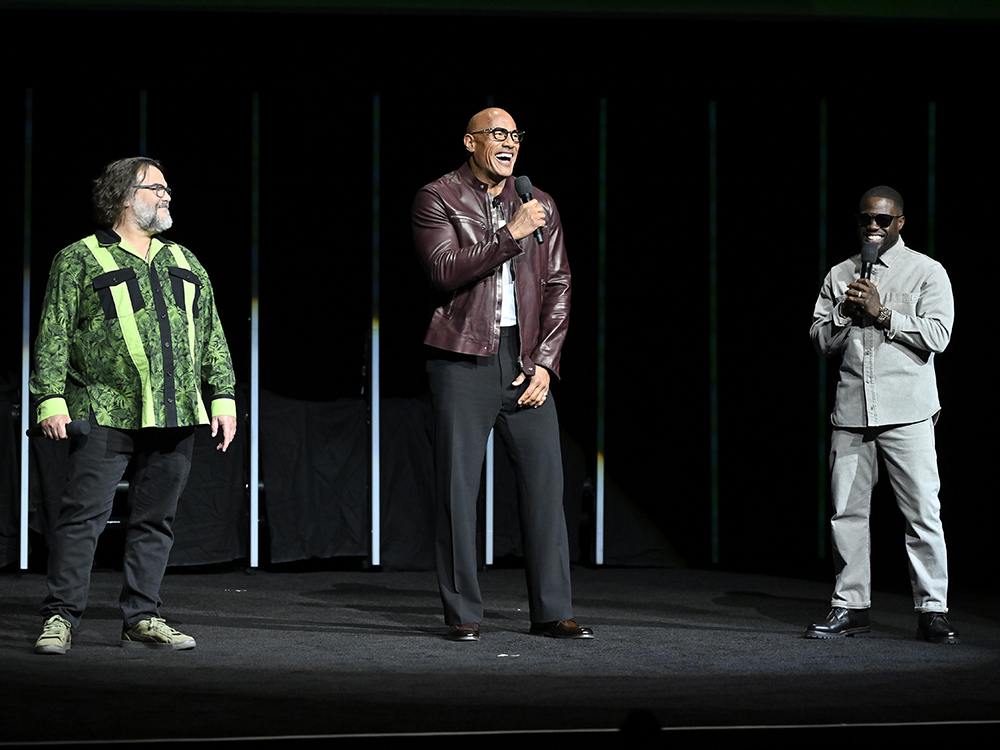
Photo courtesy of David Becker Getty Images for CinemaCon. All Rights Reserved.
What made this year’s edition especially strong was the sheer breadth of product on display. Sony Pictures opened with one of the convention’s most muscular showcases, blending superhero anticipation through Spider-Man: Brand New Day, gaming adaptations, horror, anime and prestige projects, a reminder that modern theatrical success no longer depends on one genre alone but on feeding multiple fan communities at once. Tom Rothman and his team used the stage to underline Sony’s long-standing theatrical-first identity, while the studio’s willingness to jump from family comedy to event spectacle captured the industry’s new reality: flexibility is power.
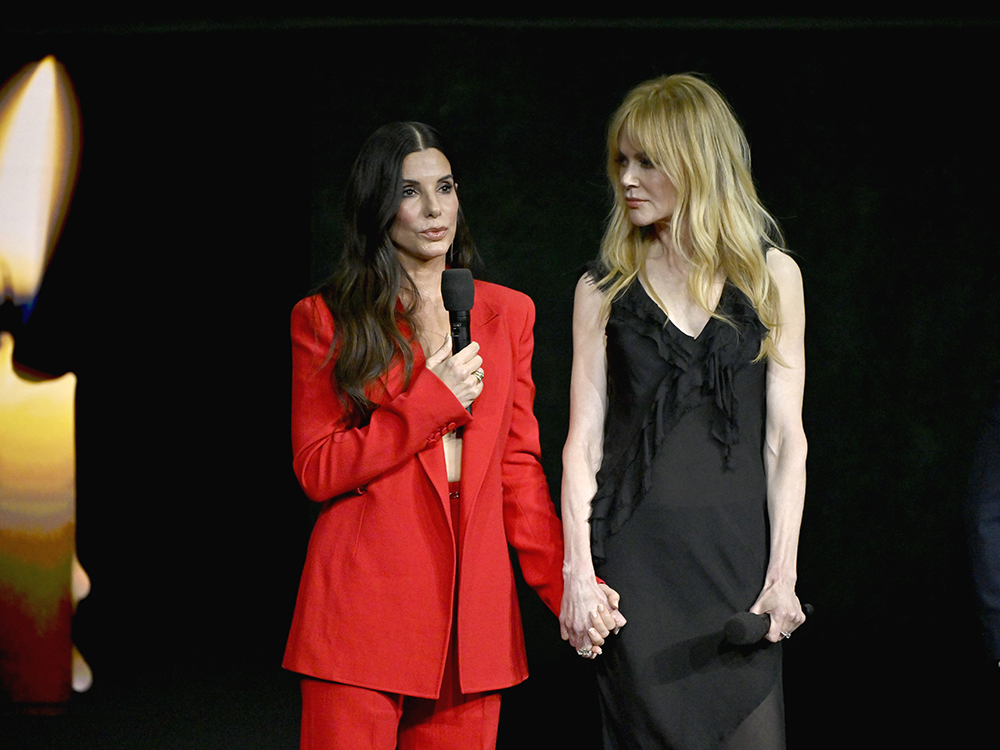
Photo courtesy of David Becker Getty Images for CinemaCon. All Rights Reserved.
Warner Bros. Pictures then transformed the Colosseum into a classic showbiz arena, where executives Michael De Luca, Pamela Abdy and Jeffrey Goldstein paired clear pro-theatrical messaging with an avalanche of upcoming titles. Surprise appearances from Tom Cruise and Alejandro González Iñárritu, footage from future tentpoles, DC reveals and nostalgic crowd-pleasers such as Practical Magic 2 gave Warner Bros. one of the loudest receptions of the week. The studio’s most effective line may have been simple and direct: theatrical remains the gold standard. In a room full of exhibitors, that landed exactly as intended.
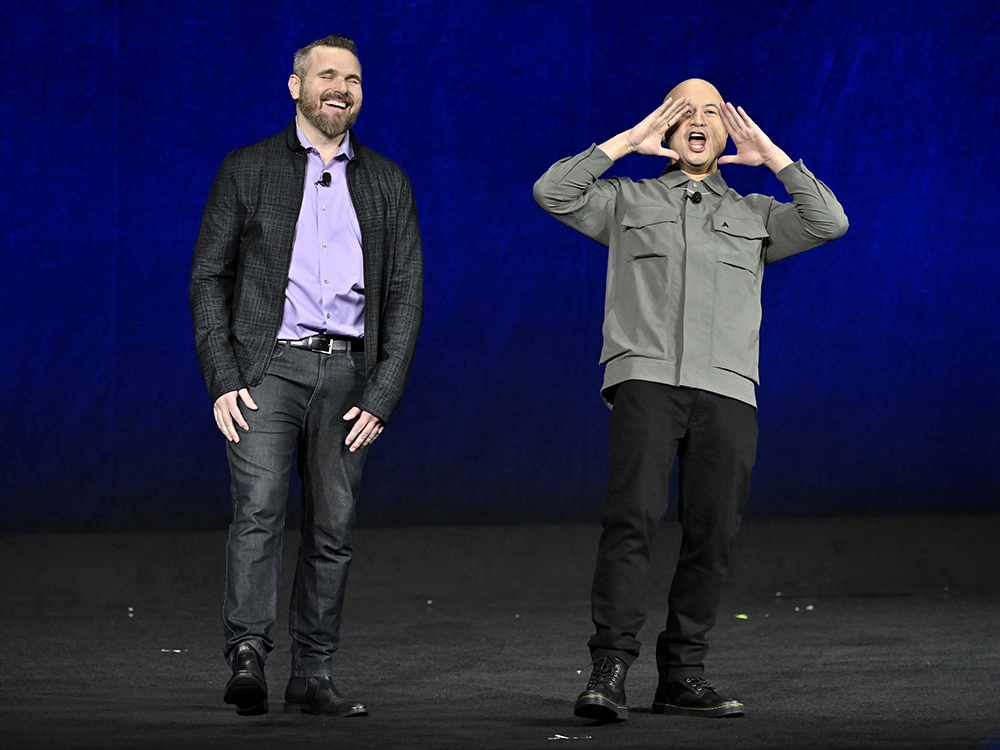
Photo courtesy of David Becker Getty Images for CinemaCon. All Rights Reserved.
Animation also emerged as a major pillar of optimism. DreamWorks’ screening of Forgotten Island suggested renewed confidence in original animated storytelling, while multiple studios leaned into family titles as stable long-term business. In uncertain markets, families remain one of the most dependable theatrical audiences, and CinemaCon 2026 repeatedly reflected that reality. The future of exhibition may involve superheroes and horror, but it will also belong to films parents trust and children want to revisit.
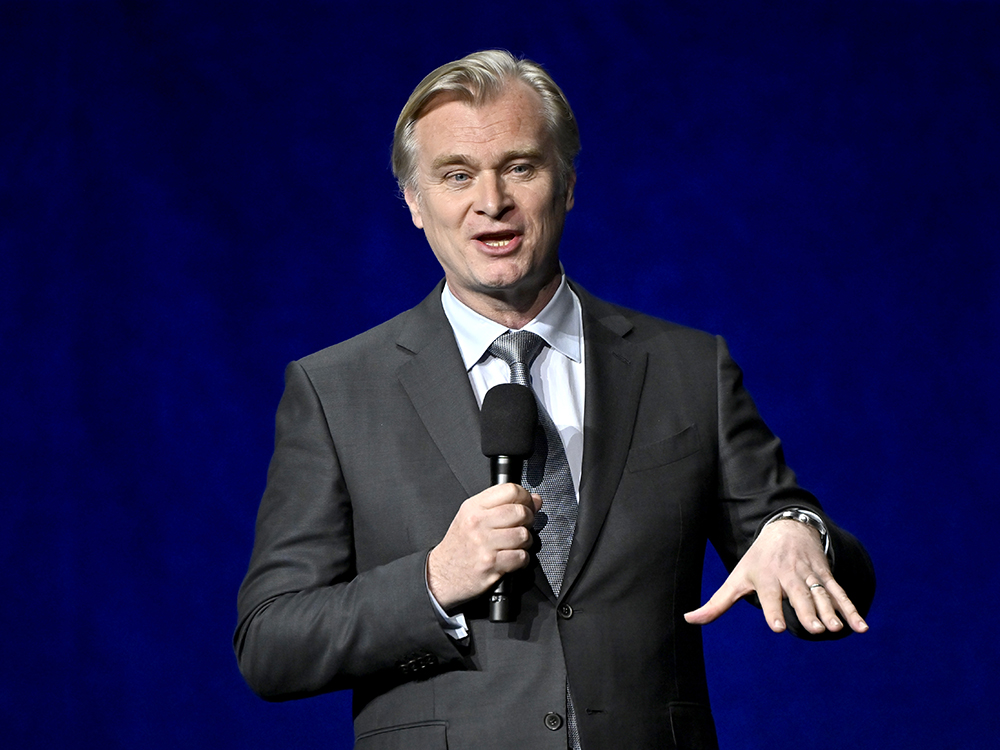
Photo courtesy of David Becker Getty Images for CinemaCon. All Rights Reserved.
If Warner sold scale, Universal Pictures sold momentum. Led by Donna Langley, the studio delivered perhaps the most balanced presentation of the convention, pivoting effortlessly between filmmaker prestige and mass-market entertainment. Christopher Nolan appearing to present The Odyssey was one of the defining moments of CinemaCon 2026, especially with confirmation of a full IMAX production strategy, while family brands, comedy franchises and Focus Features prestige titles reinforced Universal’s rare ability to compete in every corridor of the calendar. The studio did not look like a company chasing trends; it looked like one setting them.
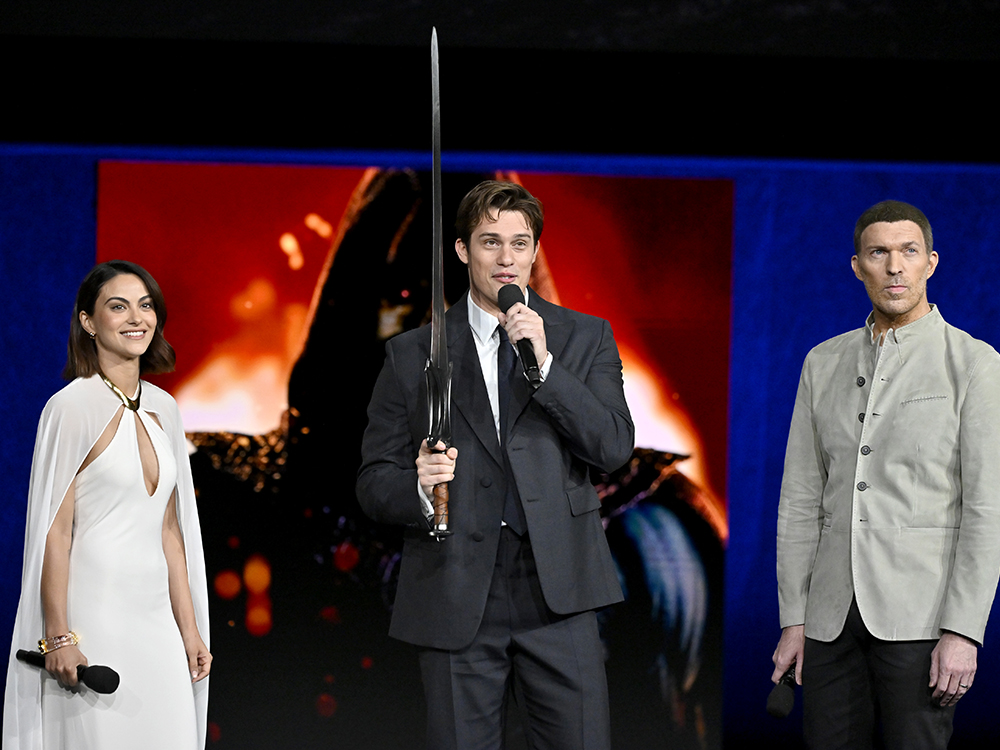
Photo courtesy of David Becker Getty Images for CinemaCon. All Rights Reserved.
Yet one reason CinemaCon 2026 felt so healthy was that the conversation extended well beyond the traditional majors. Amazon MGM Studios delivered one of the convention’s biggest surprise successes, using live music, star charisma and a clear annual theatrical-release commitment to convince exhibitors it is no longer experimenting with cinemas but investing in them seriously. Appearances by Michael B. Jordan, Ryan Gosling, Rick Moranis and others turned the presentation into a statement that a technology-owned company can still understand old-fashioned showmanship. The reaction suggested many in the room were ready to believe it.
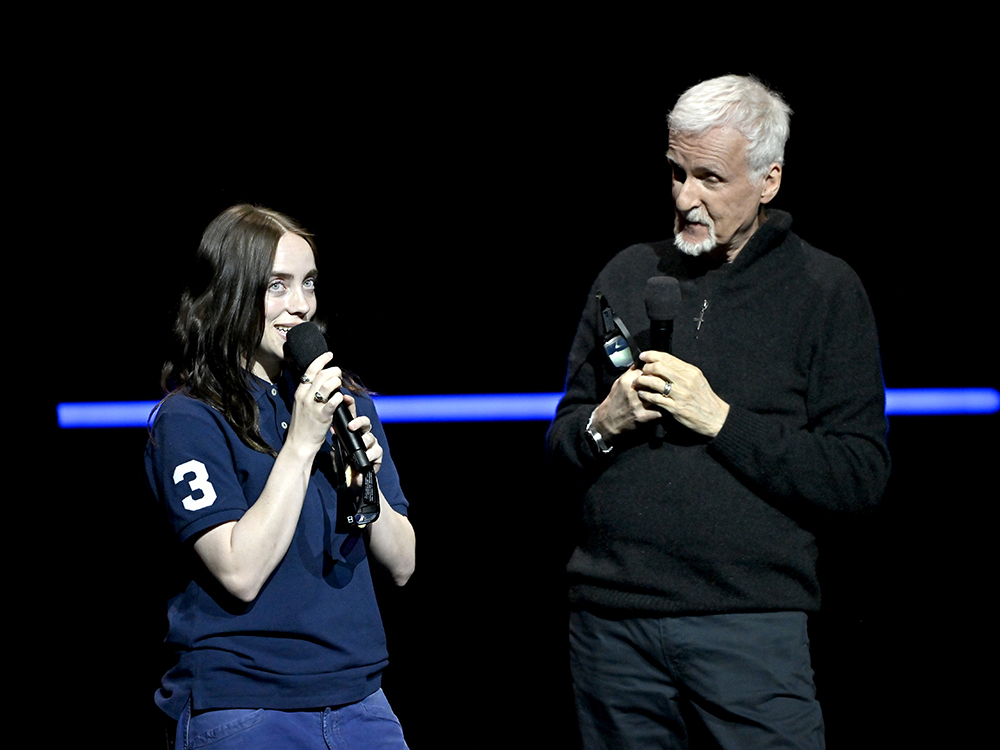
Photo courtesy of David Becker Getty Images for CinemaCon. All Rights Reserved.
Paramount Pictures also played a major role in making CinemaCon 2026 feel like a comeback edition, delivering a showcase built on confidence, franchise scale and direct promises to exhibitors. David Ellison used the stage to reassure theater owners with commitments to output volume and a 45-day theatrical exclusivity window, while the slate itself mixed established brands such as Top Gun, Star Trek, Transformers, Sonic and A Quiet Place with louder crowd-pleasers like Street Fighter. The presentation also smartly embraced newer theatrical revenue lanes through premium concert cinema with Billie Eilish, comedy revivals including Scary Movie and Jackass, and prestige-leaning projects fronted by major talent. By balancing corporate reassurance with old-school showmanship, Paramount looked less like a studio defending its position and more like one preparing to expand it.
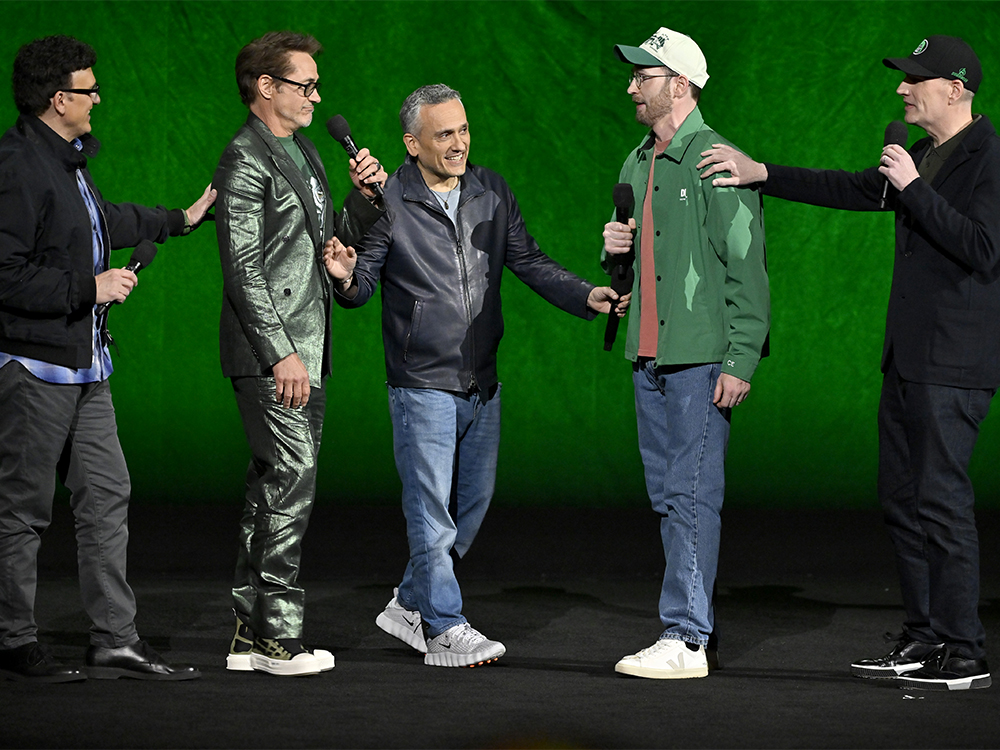
Photo courtesy of David Becker Getty Images for CinemaCon. All Rights Reserved.
The closing-night presentation from The Walt Disney Studios completed the sense of industry resurgence. Alan Bergman introduced a slate spanning Marvel, Pixar, Lucasfilm, Disney Live Action, Searchlight and 20th Century Studios, creating perhaps the broadest single-company offering of the week. New looks at Star Wars: The Mandalorian and Grogu, Toy Story 5, live-action Moana, prestige dramas and the looming force of Avengers: Doomsday demonstrated Disney’s enduring strength: no competitor can match its combination of family animation, global franchises and awards-caliber labels under one roof. Rather than relying on one pillar, Disney showed an entire ecosystem built for theaters.
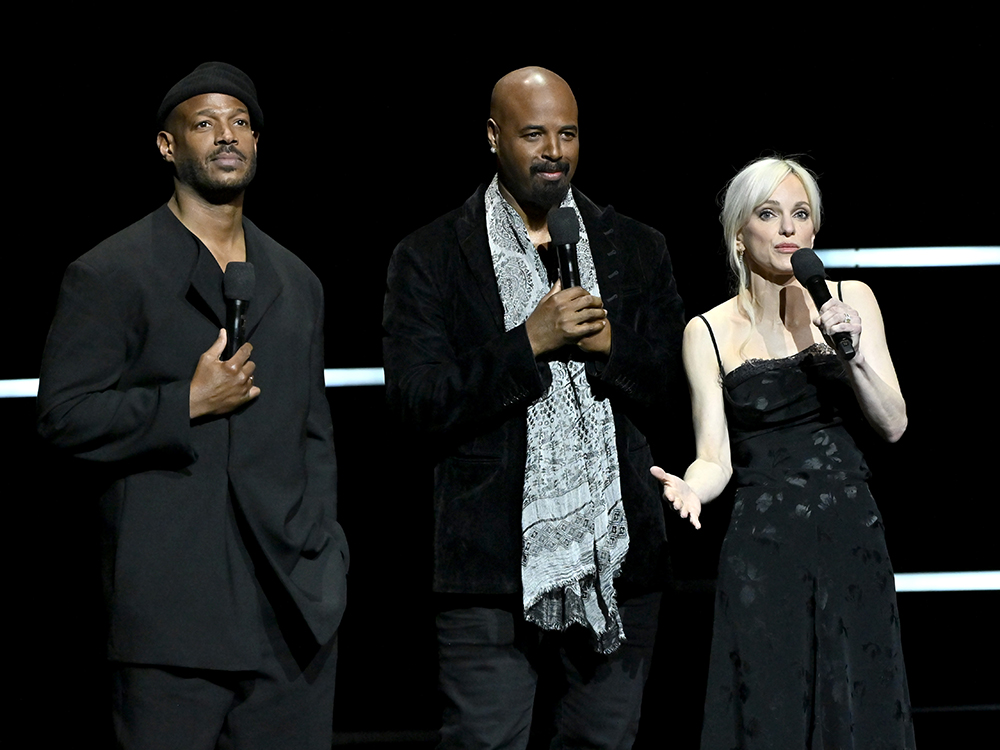
Photo courtesy of David Becker Getty Images for CinemaCon. All Rights Reserved.
In the end, CinemaCon 2026 succeeded because it felt less like a trade convention and more like a comeback celebration. Theaters were not being defended as relics; they were being sold as premium social destinations. Studios were not apologizing for reduced output; they were promising more films, bigger campaigns and clearer release strategies. Stars showed up, filmmakers showed up, executives made commitments, and exhibitors left Las Vegas with something the industry badly values: momentum. If previous editions were about survival, CinemaCon 2026 was about ambition. And that is why many attendees are already calling it one of the best editions in recent memory.