
 English
Convention - CinemaCon 2026 : Avengers: Doomsday Leads Disney’s Explosive Closing-Night Showcase
By Mulder, Las Vegas, Caesars Palace, Dolby Colosseum, 16 april 2026
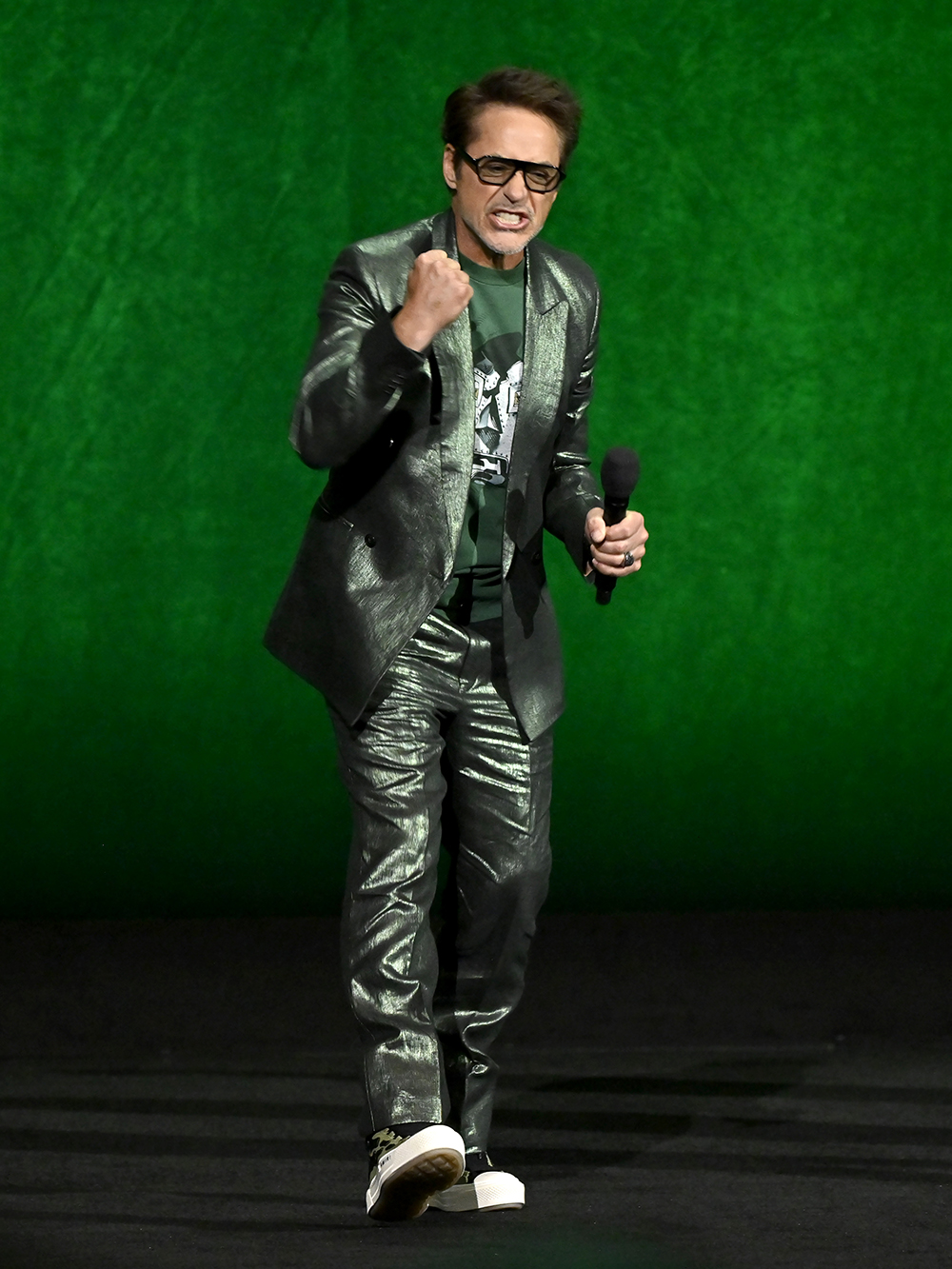
Photo courtesy of David Becker Getty Images for CinemaCon. All Rights Reserved.
The final major studio presentation of CinemaCon 2026 belonged to The Walt Disney Studios, and by most verified accounts it was designed as a closing-night declaration of scale, confidence and theatrical ambition. Held at the Dolby Colosseum at Caesars Palace in Las Vegas, the showcase was opened by Alan Bergman, Chairman of Disney Entertainment, who introduced a slate spanning Disney Live Action, Pixar, Marvel Studios, Lucasfilm, 20th Century Studios and Searchlight Pictures. Disney’s official recap emphasized that more than 4,000 CinemaCon attendees were present, giving the studio a global exhibition audience of theater owners and operators at the precise moment when Hollywood continues to prioritize premium big-screen releases. The tone of the afternoon was not subtle: Disney wanted exhibitors to leave convinced that its upcoming calendar can drive foot traffic across multiple demographics, from family animation to event-level superhero spectacles.
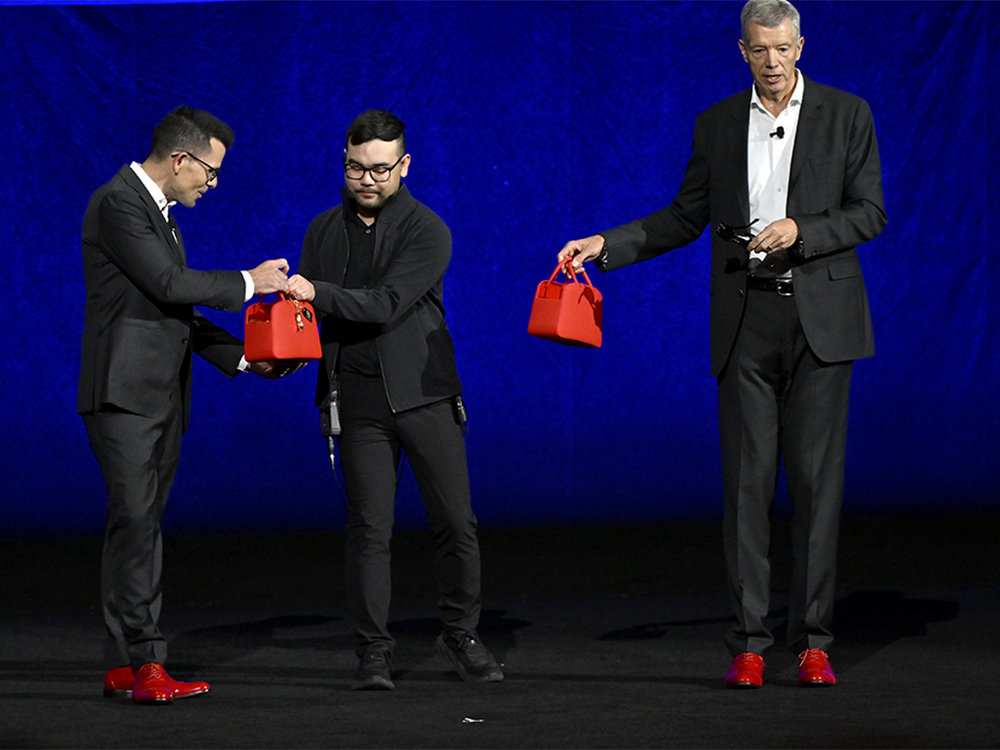
Photo courtesy of David Becker Getty Images for CinemaCon. All Rights Reserved.
One of the earliest crowd-pleasing moments came with The Devil Wears Prada 2, where executives Andrew Cripps and Matt Kalavasky reportedly arrived carrying themed accessories inspired by the original film’s famous fashion iconography. An on-screen introduction from Anne Hathaway then preceded exclusive footage. That choice was strategically smart: rather than leading with explosions or CGI, Disney opened with adult-skewing prestige nostalgia tied to a beloved 2006 hit. Verified reports confirm the returning central cast includes Meryl Streep, Anne Hathaway, Emily Blunt and Stanley Tucci, instantly giving Disney a high-profile title aimed at audiences often underserved by franchise-heavy release calendars. It was also a reminder that Disney’s 20th Century Studios label remains crucial for non-fantasy, non-superhero commercial filmmaking.
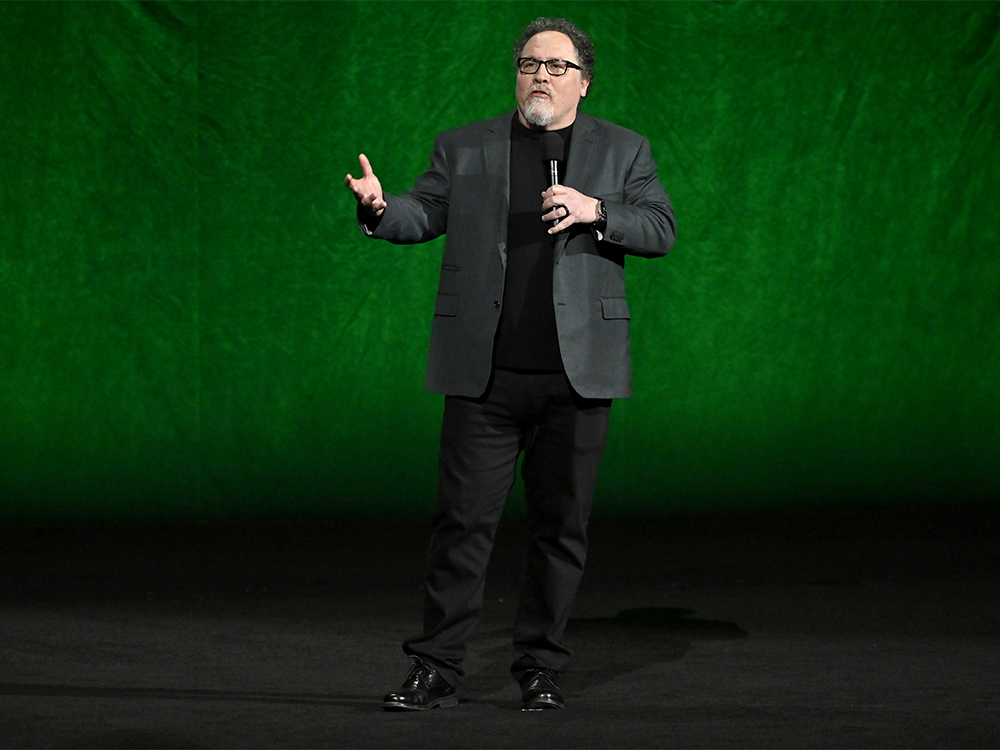
Photo courtesy of David Becker Getty Images for CinemaCon. All Rights Reserved.
Lucasfilm then delivered one of the convention’s most closely watched segments with Star Wars: The Mandalorian and Grogu, the first theatrical Star Wars feature in nearly seven years. Director Jon Favreau took the stage and emphasized the importance of returning the saga to cinemas, reportedly noting that substantial portions of the film were formatted for expanded premium-screen presentation. Verified reporting confirms Disney screened extended footage, including the opening sequence, presenting Din Djarin and Grogu in a story connected to the post-Empire era. The message here was clear: Disney is treating the transition from streaming phenomenon to theatrical event as a test case for the future of Star Wars. If successful, it proves Disney+ originals can become cinema-launching brands rather than endpoints. That may be the most important strategic takeaway of the entire Lucasfilm segment.
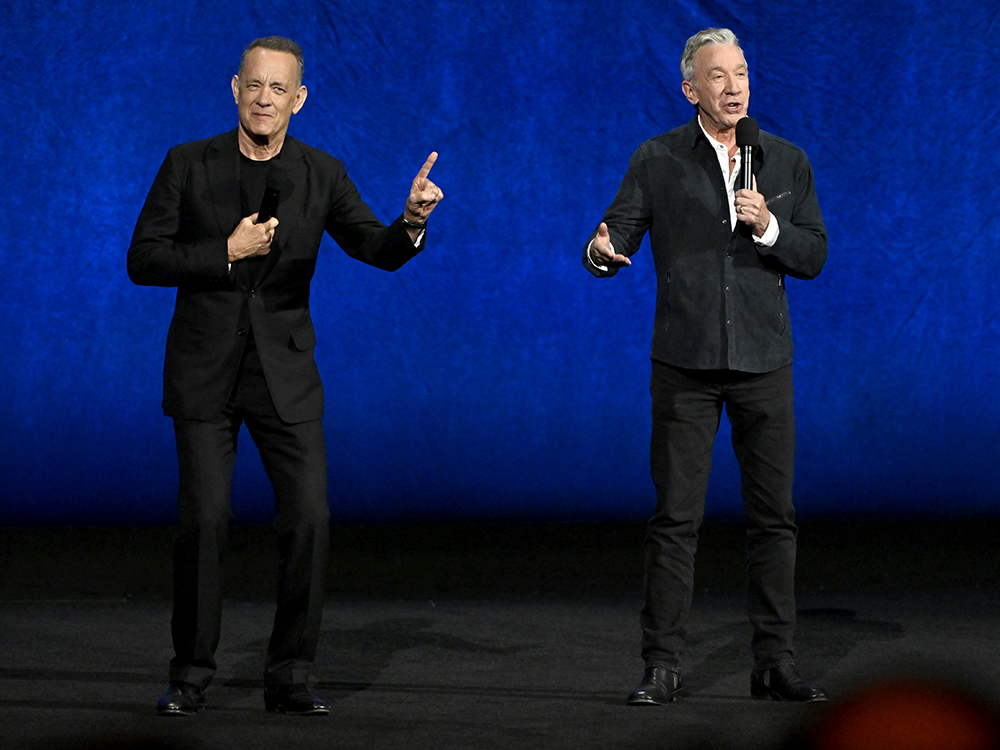
Photo courtesy of David Becker Getty Images for CinemaCon. All Rights Reserved.
Pixar shifted the room’s mood toward nostalgia and family appeal with Toy Story 5, bringing Tom Hanks and Tim Allen on stage. Their live appearance reportedly generated one of the warmest reactions of the afternoon, helped by self-aware jokes about time passing since the 1995 original. Verified story details indicate the new film places Woody, Buzz and the gang against a modern threat: children’s absorption in technology, represented by a tablet device named Lilypad. That premise is more contemporary than it first appears. Pixar’s greatest sequels often work when they reinterpret childhood anxieties through toys, and here the anxiety is digital attention replacing imaginative play. Rather than merely reviving familiar characters, Disney appears to be positioning Toy Story 5 as commentary on how kids now grow up.
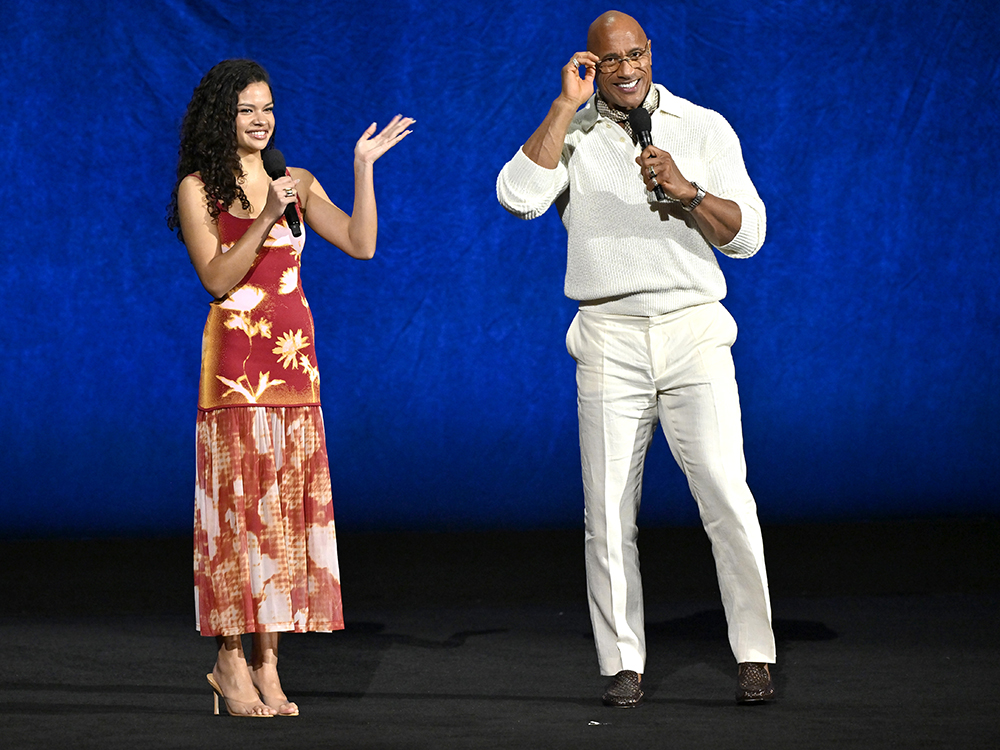
Photo courtesy of David Becker Getty Images for CinemaCon. All Rights Reserved.
The live-action Moana segment then delivered a more emotional register. Dwayne Johnson returned to the CinemaCon stage and reportedly shared a photo of his grandfather, explaining that family history inspired elements of Maui’s characterization. He then introduced Catherine Lagaʻaia, who plays Moana in the film. Verified production information confirms the movie is directed by Thomas Kail, with release scheduled for July 2026. What made this presentation notable was Disney’s effort to frame the remake not merely as IP recycling, but as a culturally rooted project with Pacific Island representation central to its identity. Whether audiences embrace another live-action reinterpretation may depend on whether that sincerity translates onscreen. Still, the pairing of Dwayne Johnson’s star power with a globally recognized title gives the film obvious box-office upside.
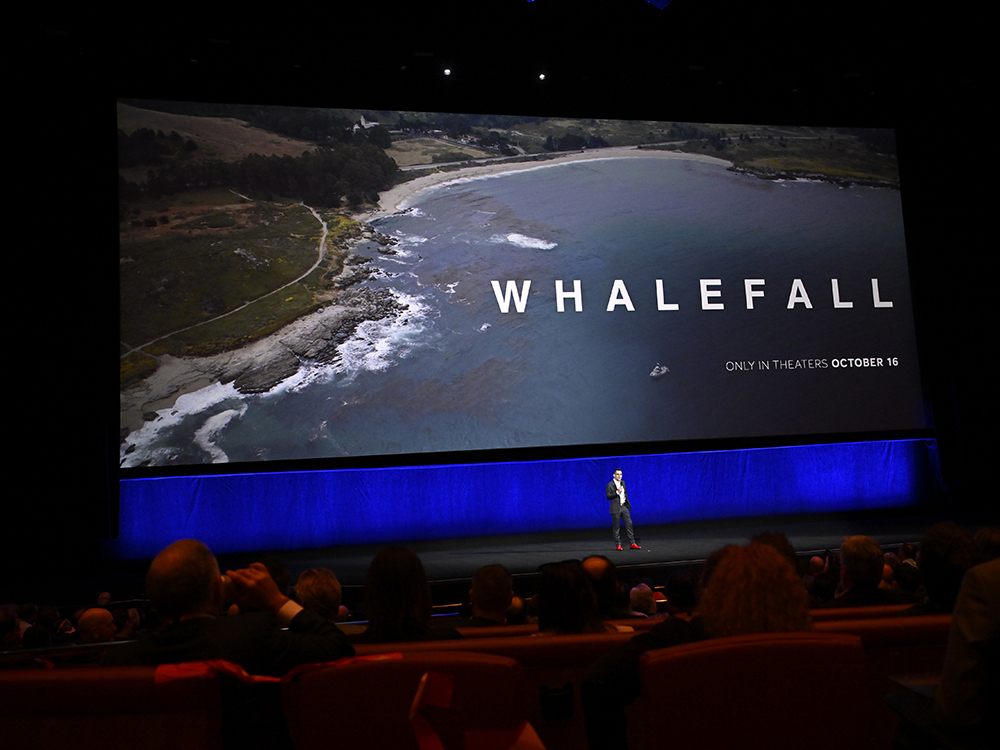
Photo courtesy of David Becker Getty Images for CinemaCon. All Rights Reserved.
20th Century Studios added variety and scale with filmmaker-driven material. A first look at The Dog Stars was introduced by Ridley Scott, with the adaptation starring Jacob Elordi, Josh Brolin, Margaret Qualley, Guy Pearce, Benedict Wong and Allison Janney. The studio also showcased Whalefall, starring Austin Abrams and Josh Brolin, based on the survival story of a diver trapped inside a whale. These selections matter because they demonstrate Disney still values adult-skewing theatrical dramas and thrillers under its acquired labels. In an era where studios often reserve cinemas only for brands, Disney used CinemaCon to tell exhibitors it can also supply serious star-led fare beyond capes and cartoons.
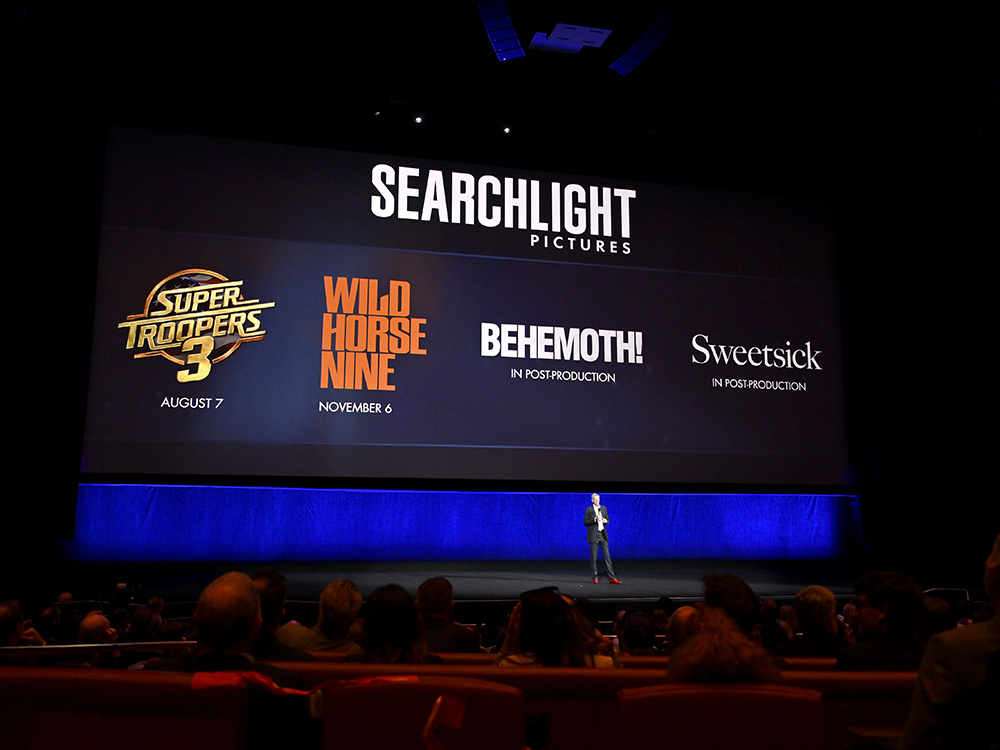
Photo courtesy of David Becker Getty Images for CinemaCon. All Rights Reserved.
Searchlight Pictures reinforced that message with Wild Horse Nine, directed by Martin McDonagh, alongside announcements for additional specialty titles. Searchlight remains Disney’s prestige engine, and including it in the same presentation as Marvel and Pixar was symbolically important. Disney was effectively saying that its ecosystem can deliver Oscar contenders, family blockbusters and billion-dollar tentpoles under one roof. That breadth is something few competitors can currently match.
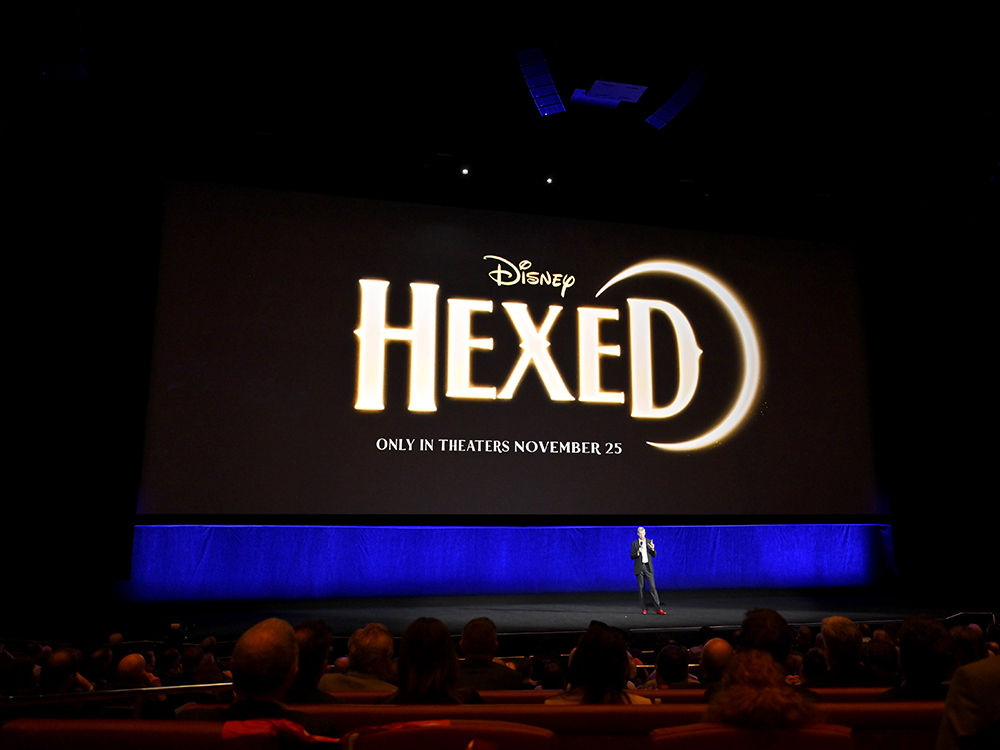
Photo courtesy of David Becker Getty Images for CinemaCon. All Rights Reserved.
Animation remained central to the presentation. Disney previewed Hexed, an original fantasy film featuring voices from Hailee Steinfeld and Rashida Jones, while also revealing future family releases such as Pixar’s Gatto and the next Ice Age film, Ice Age: Boiling Point. Stage appearances from Ray Romano, Denis Leary and Queen Latifah reportedly drew strong reactions, especially with the announcement of a Baby Scrat character. Beneath the jokes lies a serious business truth: legacy animated brands remain dependable global earners, and Disney knows exhibitors need multigenerational titles throughout the year, not just in holiday corridors.
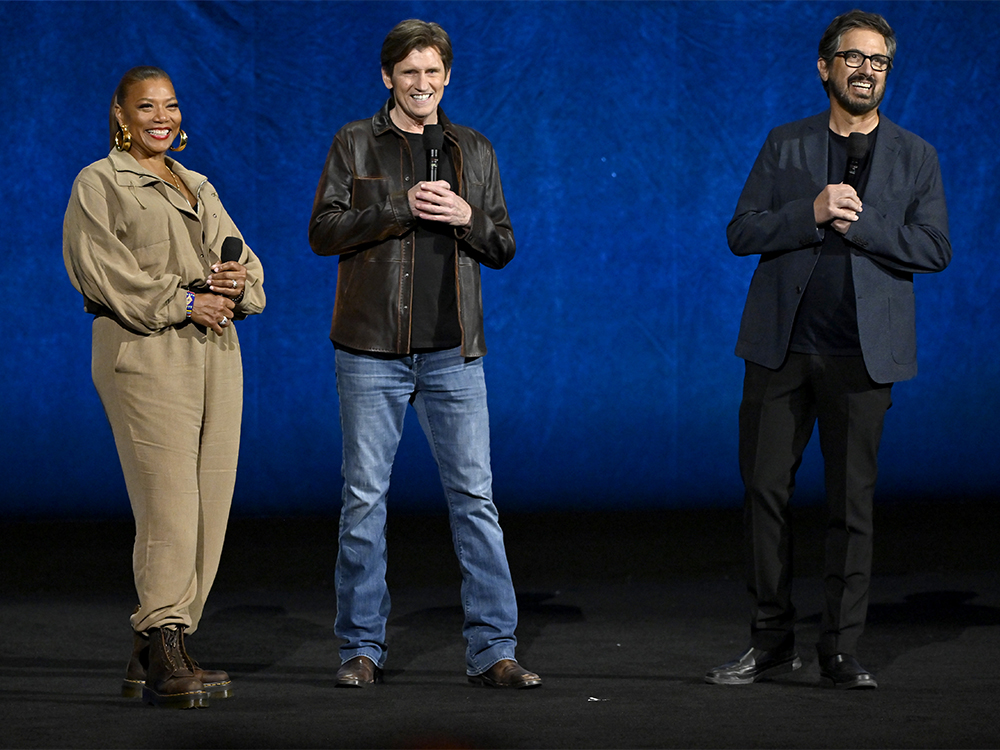
Photo courtesy of David Becker Getty Images for CinemaCon. All Rights Reserved.
Then came the moment the room had clearly been waiting for: Marvel Studios. Kevin Feige took the stage to unveil Avengers: Doomsday and introduce “Infinity Vision,” a new premium large-format certification program for theaters featuring large screens, laser projection and immersive sound. Verified reporting indicates the branding will debut with a re-release of Avengers: Endgame before supporting Doomsday later in the year. This was more than a tech announcement. It was Disney moving to strengthen its leverage in premium theatrical exhibition after intense competition for IMAX and PLF screens. In other words, Disney is no longer only selling films to exhibitors—it is helping define the format standards around them.
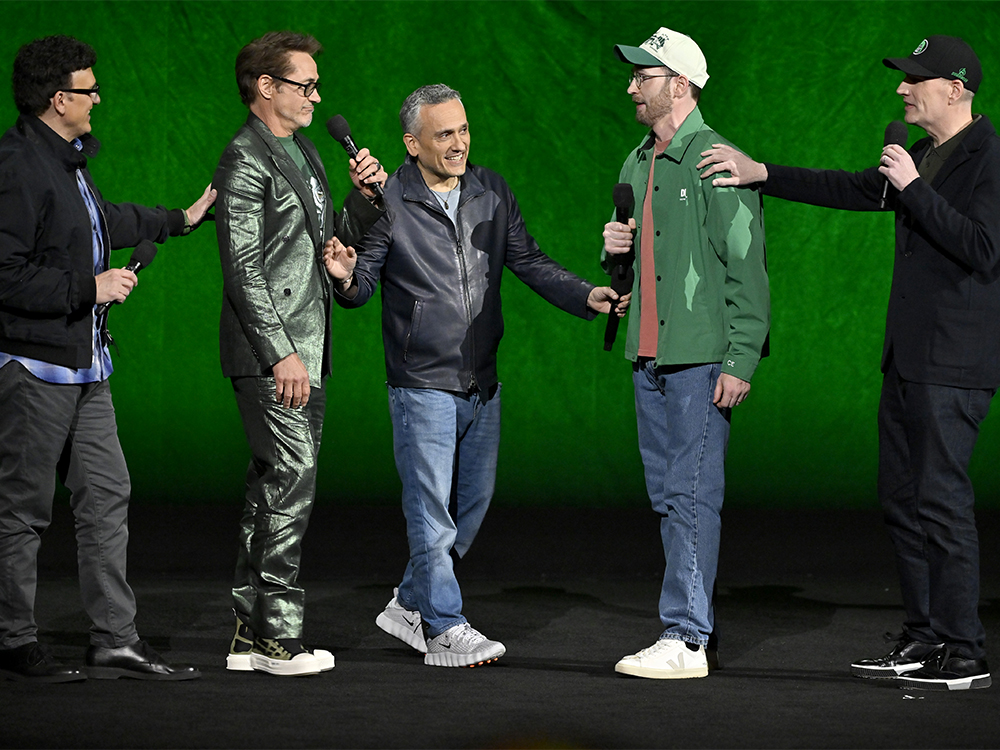
Photo courtesy of David Becker Getty Images for CinemaCon. All Rights Reserved.
The climax escalated further when Joe Russo and Anthony Russo joined the stage, followed by Robert Downey Jr., now positioned as Doctor Doom, and then Chris Evans, returning as Steve Rogers/Captain America. Verified reports confirm attendees were shown exclusive footage so enthusiastically received that it was replayed. Coverage also states that Avengers: Doomsday marks the first cinematic crossover between Avengers characters and the X-Men within the Marvel Cinematic Universe, with release set for December 18, 2026. This is the kind of moment CinemaCon exists for: not public marketing, but convincing theater owners they are about to host a genuine cultural event. Disney ended the week by reminding the industry that when Marvel clicks, it can still create communal anticipation at a scale few brands can equal.
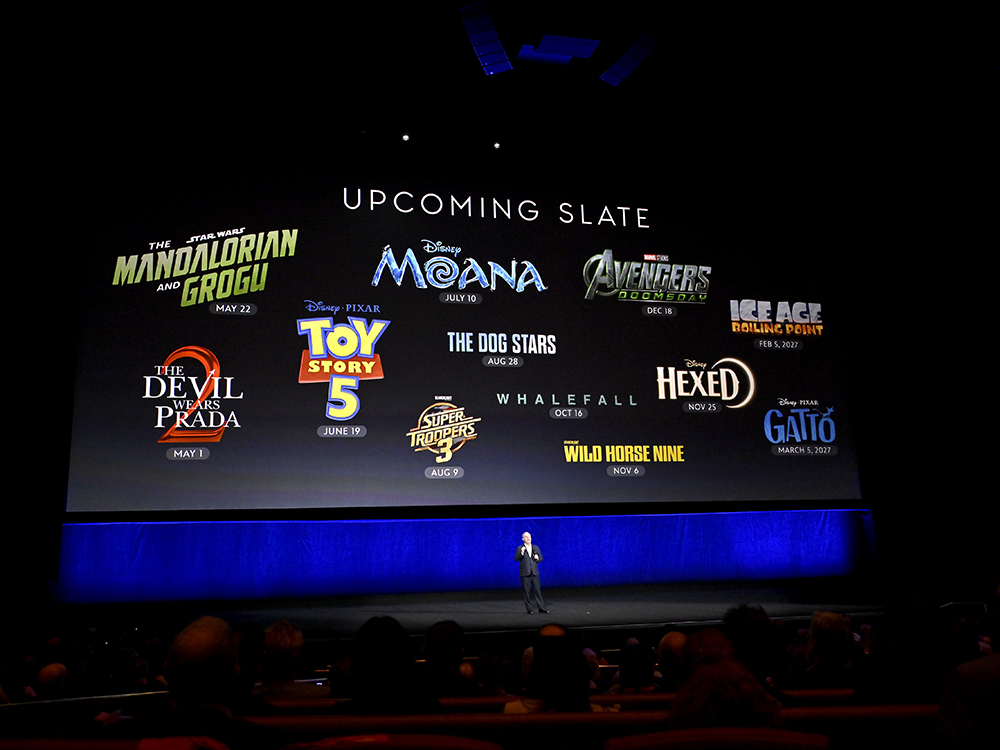
Photo courtesy of David Becker Getty Images for CinemaCon. All Rights Reserved.
The deeper story of Disney’s CinemaCon 2026 presentation is that it balanced memory and momentum. Nostalgia came through Toy Story, Ice Age, Prada and returning Marvel icons. Momentum came through new bets like Hexed, Gatto and premium-format initiatives. The studio was effectively pitching a full-year theatrical ecosystem rather than one or two tentpoles. If even half of these titles connect, Disney could dominate release calendars again. If Avengers: Doomsday lands at the level Disney clearly believes it can, the presentation may later be remembered not as convention showmanship, but as the day the next major MCU era truly began.