
 English
Convention - Cinemacon 2026 : Amazon MGM Studios Turns Spectacle Into Strategy With Michael B. Jordan, Ryan Gosling, Rick Moranis and a Clear Bet on Theaters
By Mulder, Las Vegas, Caesars Palace, Dolby Colosseum, 15 april 2026
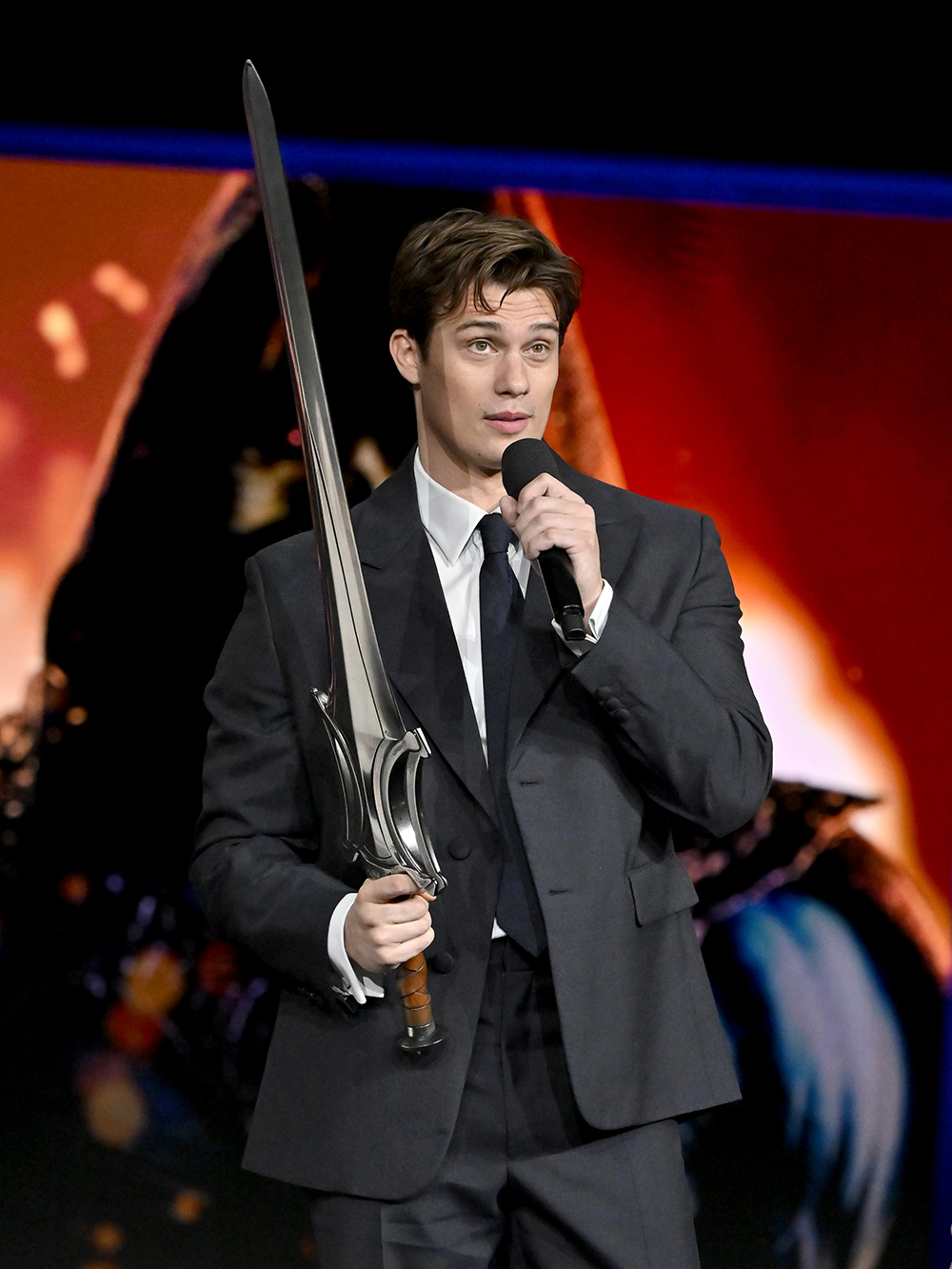
Photo courtesy of David Becker Getty Images for CinemaCon. All Rights Reserved.
At CinemaCon 2026 in Las Vegas, Amazon MGM Studios delivered one of the convention’s most energetic and calculated presentations, mixing old-school showmanship with a blunt industry message: theatrical exhibition is no longer a side experiment for the company, but a central business pillar. The evening reportedly opened with Grammy winner Jon Batiste at the piano, immediately giving the studio a live-event atmosphere rather than a standard corporate reel. That choice mattered. CinemaCon audiences are theater owners first, and Amazon MGM seemed determined to prove it understands that exhibition thrives on moments audiences cannot stream at home. The studio then reinforced the point through executive remarks from Mike Hopkins, who stated that the company remains on schedule to release at least 15 films a year in theaters. That promise echoed earlier strategic commitments and signaled that Amazon’s resources are now being used to build a long-term theatrical pipeline rather than occasional prestige launches.
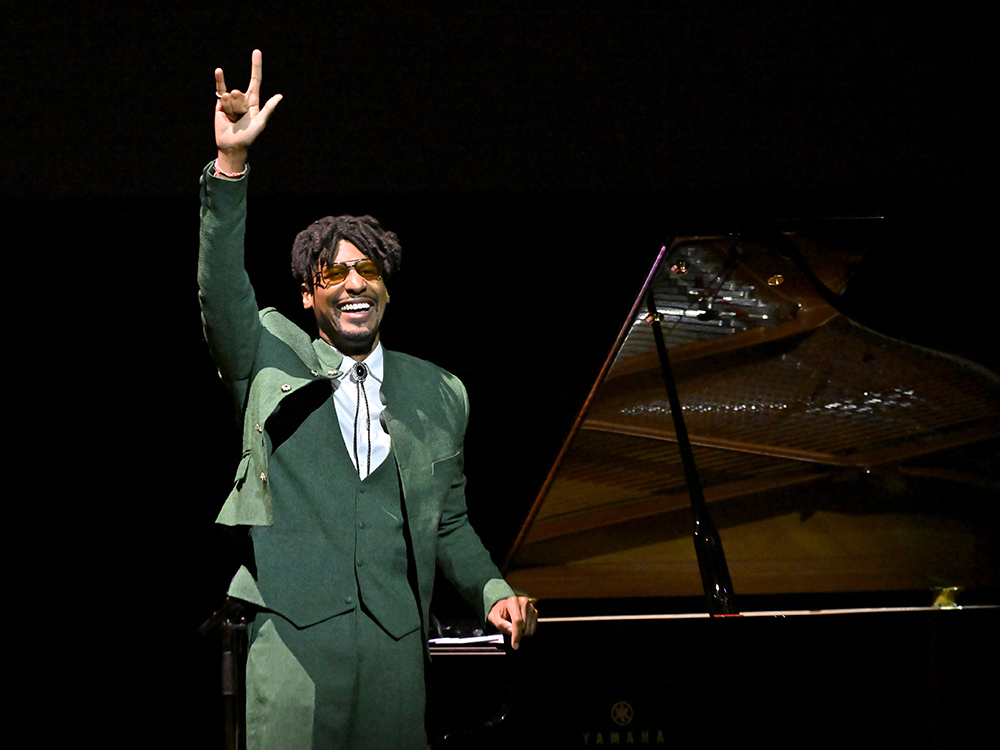
Photo courtesy of David Becker Getty Images for CinemaCon. All Rights Reserved.
The first major star turn belonged to Michael B. Jordan, who appeared in person to unveil footage from The Thomas Crown Affair, which he both stars in and directs. According to attendees, Jon Batiste is collaborating on the film’s music, adding a stylish contemporary identity to a property historically associated with elegance and sophistication. Michael B. Jordan reportedly told the room he remembered seeing the 1999 version and wanting one day to make a film like it himself, a revealing anecdote because it frames the remake less as corporate IP recycling and more as a passion project from a filmmaker-star building his own legacy. Joined onstage by Adria Arjona, who said she was proud of the movie, Michael B. Jordan emphasized that the film was made for theaters and audiences seeking a true big-screen experience. That line may have been the most important of the segment: Amazon MGM knows skepticism still exists around whether a tech-owned studio fully values cinemas. The announced March 2027 release positions the film as a major upscale commercial play.
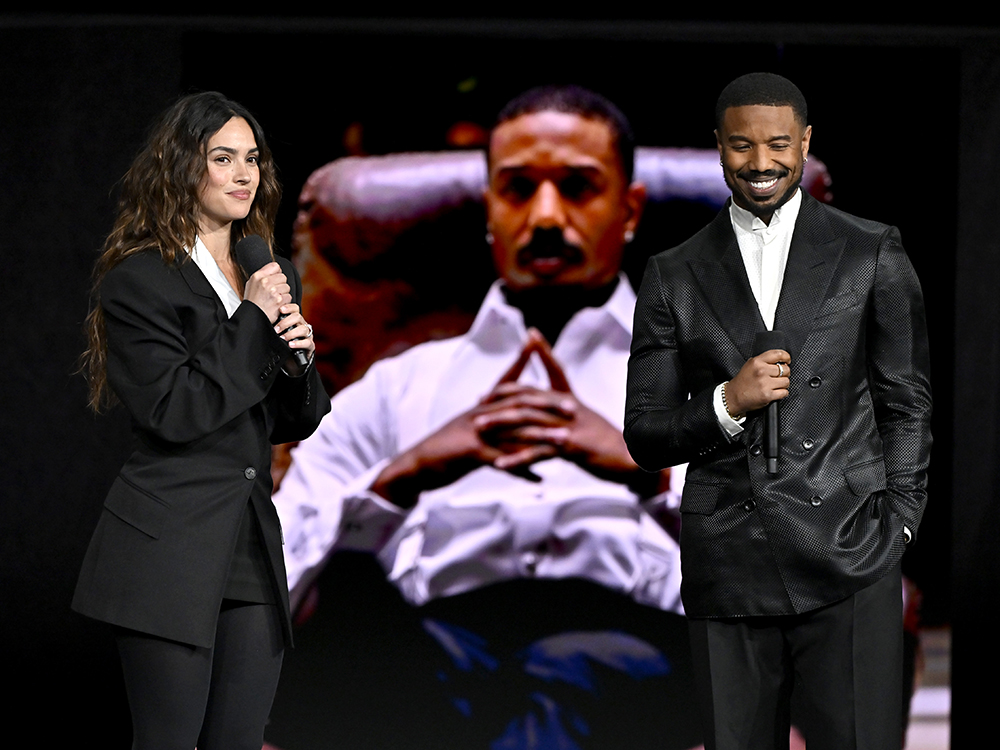
Photo courtesy of David Becker Getty Images for CinemaCon. All Rights Reserved.
If The Thomas Crown Affair represented polished sophistication, Project Hail Mary represented proof of concept. Executives highlighted the recent success of the Ryan Gosling-led release, which Amazon cited as a major box-office performer and one of 2026’s standout titles. Bringing Ryan Gosling back to the CinemaCon stage alongside producers Phil Lord and Christopher Miller was more than victory-lap theater; it was Amazon MGM presenting evidence to exhibitors that it can generate real theatrical wins. In one of the night’s more playful anecdotes, Ryan Gosling reportedly sent a handwritten thank-you note through the audience person by person, then did the same with a bouquet of flowers so “maybe everyone can smell.” It was absurd, funny, memorable—and exactly the sort of room-reading stunt that wins over exhibitors who appreciate stars engaging directly with the crowd.
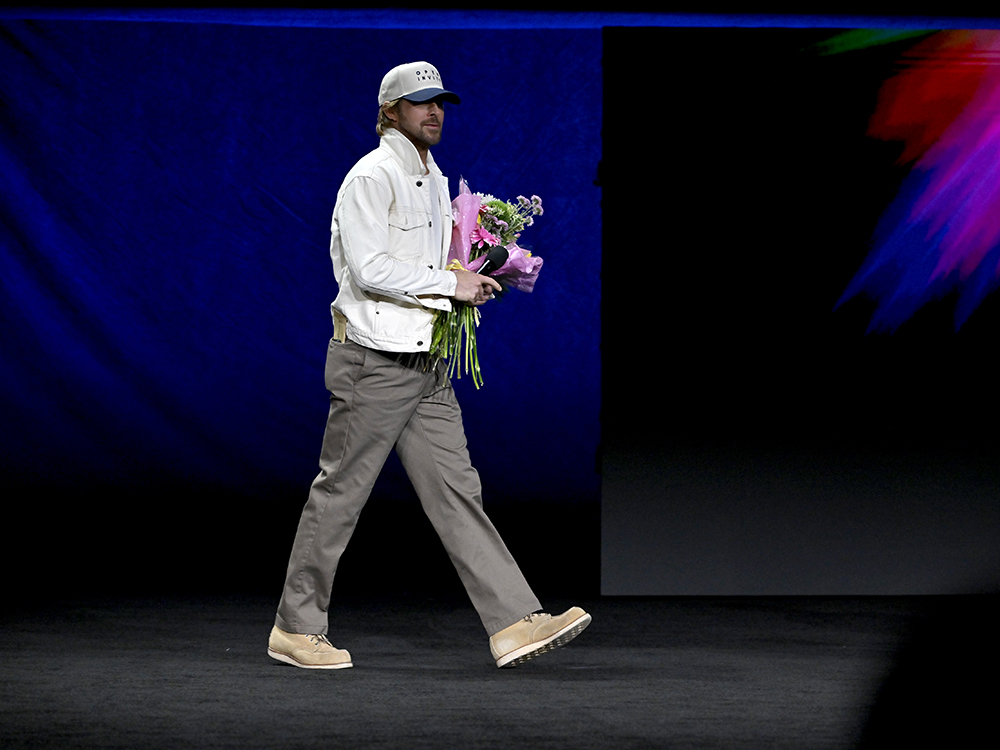
Photo courtesy of David Becker Getty Images for CinemaCon. All Rights Reserved.
The studio also leaned heavily into franchise scale with Masters of the Universe, introduced by theatrical distribution chief Kevin Wilson alongside director Travis Knight and stars Nicholas Galitzine and Camila Mendes. Camila Mendes joked that the production had “more muscles than is necessary,” while Nicholas Galitzine reportedly shouted the iconic “By the power of Grayskull!” before footage rolled. Travis Knight, whose background blends emotional storytelling with visual craft, reportedly told attendees, “This is why we all go to the movies. For hope.” That statement neatly summarized why Amazon MGM chose him for the property: rather than irony, the studio appears to be selling sincerity and mythic adventure. With the film scheduled for June 2026, it stands as one of Amazon MGM’s nearest-term tests of whether nostalgic brands can become genuine modern theatrical franchises.
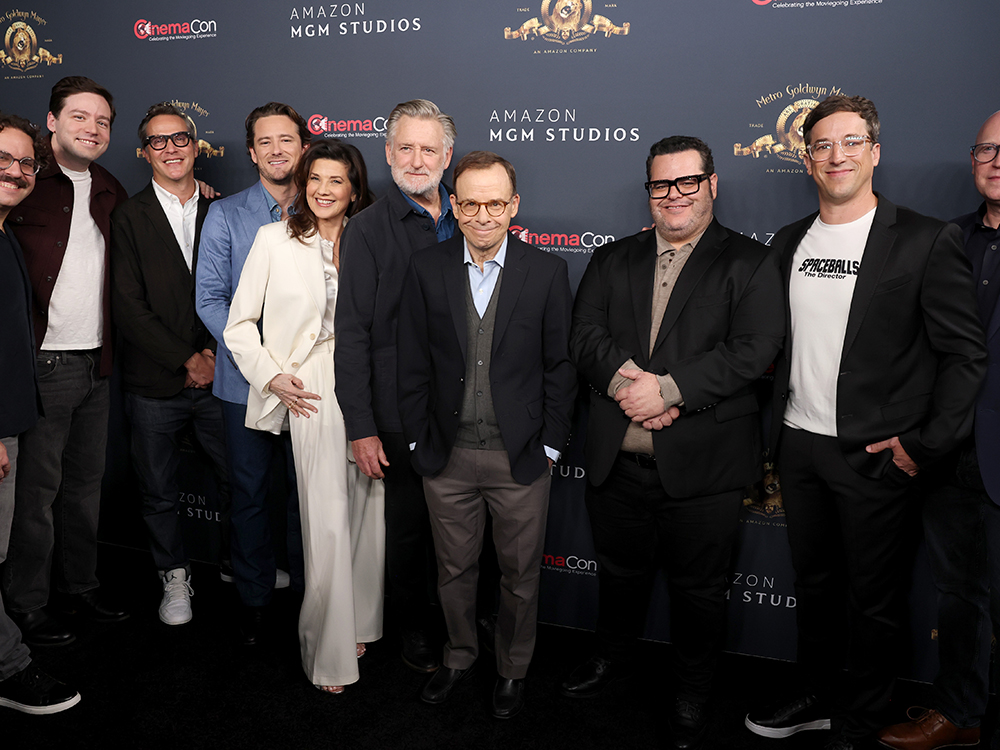
Photo courtesy of Monica Schipper Getty Images for CinemaCon. All Rights Reserved.
No presentation was louder or more surprising than the reveal of the long-rumored Spaceballs sequel. Director Josh Greenbaum was joined by Bill Pullman, Daphne Zuniga, Josh Gad, Lewis Pullman, and, crucially, Rick Moranis, whose appearance alone generated industry buzz. Then came a comic running gag in which onscreen interruptions from Keke Palmer and later Mel Brooks repeatedly cut off Rick Moranis. Finally, the official title was unveiled: Spaceballs: The New One. In a convention often filled with polished brand management, this segment succeeded because it embraced chaos, nostalgia and self-awareness. Mel Brooks reportedly joked he could not attend because he was seeing Phish at Sphere—an absurdly contemporary punchline from a comedy legend. It was a reminder that legacy IP works best when creators understand exactly why audiences loved it in the first place.
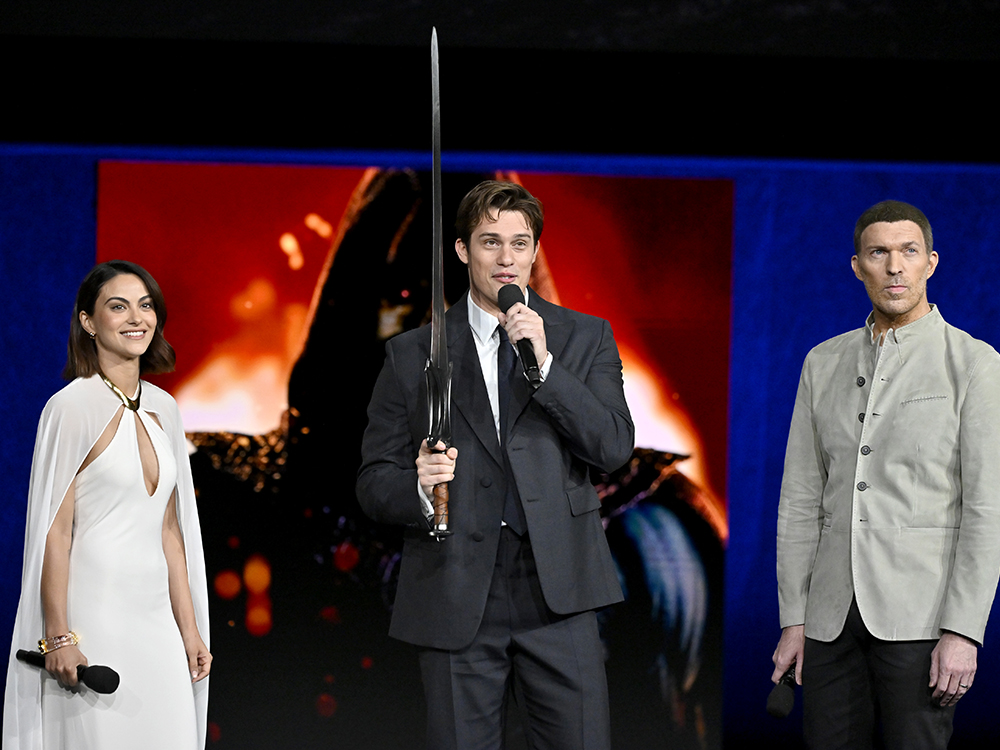
Photo courtesy of David Becker Getty Images for CinemaCon. All Rights Reserved.
Elsewhere, Amazon MGM demonstrated unusual range. Jason Statham introduced footage from The Beekeeper 2, signaling confidence in a sleeper action franchise. A first look at Highlander arrived via a message from Henry Cavill, giving the reboot immediate fan-facing credibility. David Leitch and Pete Davidson introduced How to Rob a Bank, with Pete Davidson reportedly calling the movie “totally insane,” while David Leitch promised action audiences had not seen before. Mahershala Ali and director Bassam Tariq presented Your Mother Your Mother Your Mother, suggesting the studio still wants awards-caliber prestige alongside commercial spectacle. Even I Play Rocky, from director Peter Farrelly, leaned into emotional movie-history nostalgia by dramatizing the making of Rocky. Rather than one identity, Amazon MGM presented itself as a studio trying to occupy every lane at once: action, comedy, prestige, faith-driven releases, nostalgia, and four-quadrant tentpoles.
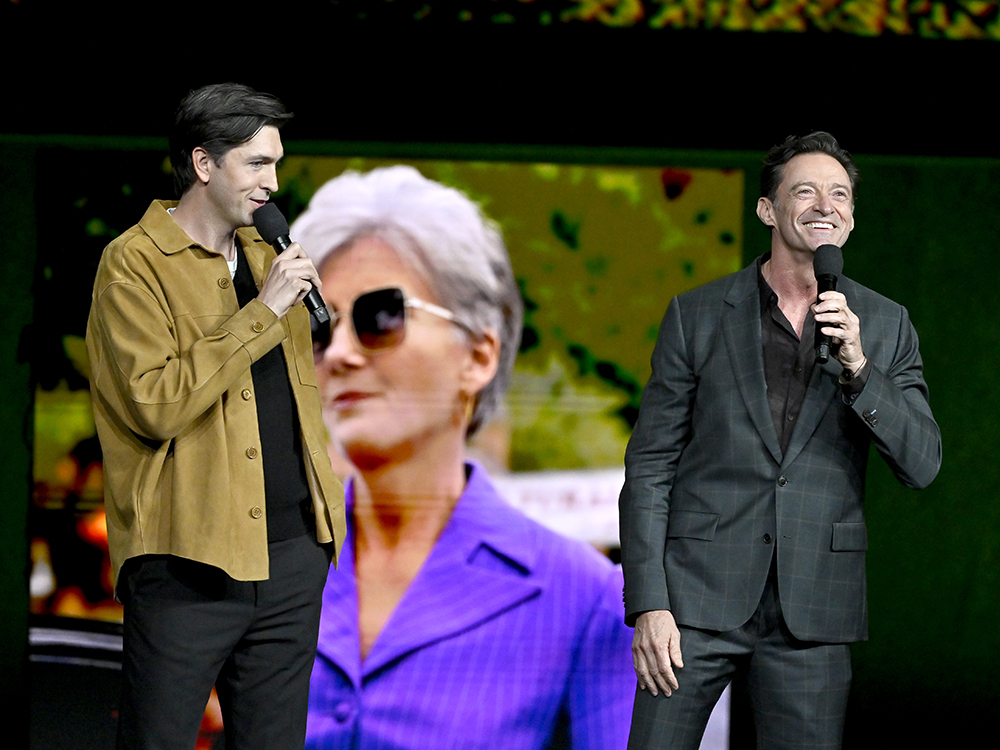
Photo courtesy of David Becker Getty Images for CinemaCon. All Rights Reserved.
One topic the room expected but did not fully receive was James Bond. Courtenay Valenti, head of film, reportedly said the search for the next 007 under director Denis Villeneuve was being handled with time and care. That restraint is strategically smart. James Bond casting has become a global news cycle of its own, and rushing the announcement for a trade-room pop would create short-term headlines at the expense of long-term franchise positioning. By declining to feed speculation, Amazon MGM effectively said that James Bond will arrive when the architecture is ready. In an era of rushed universes and premature announcements, patience may be the boldest move available.
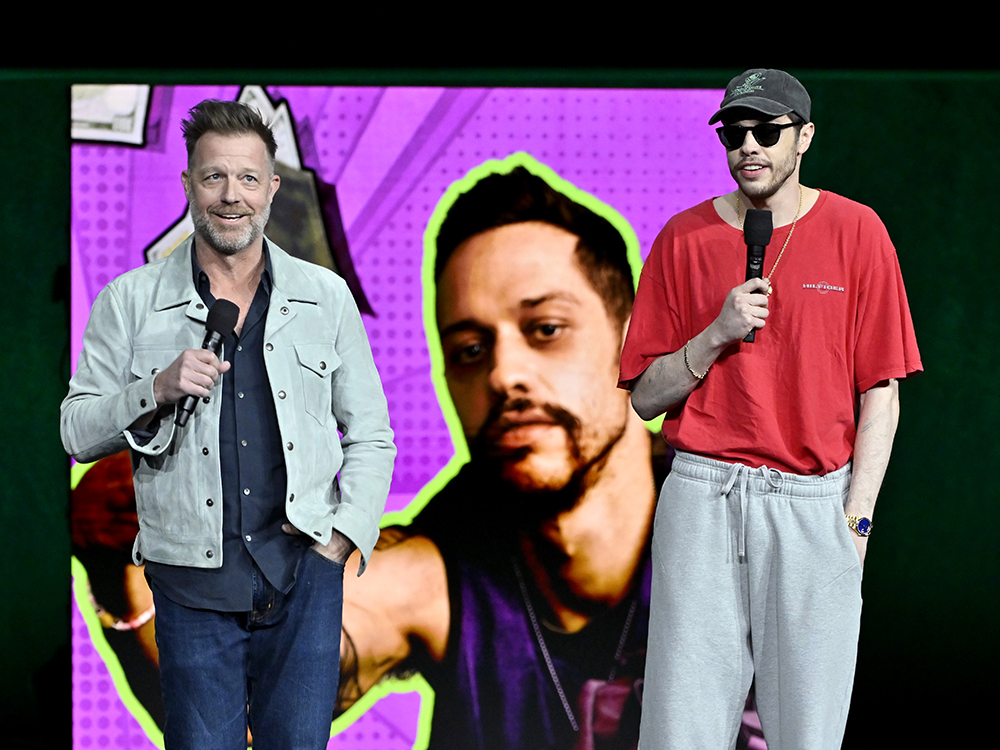
Photo courtesy of David Becker Getty Images for CinemaCon. All Rights Reserved.
The deeper takeaway from CinemaCon 2026 is that Amazon MGM Studios no longer wants to be viewed as a streaming company dabbling in theatrical releases. It wants to be seen as a modern major studio with the capital of Big Tech, the library of MGM, and a slate built for multiplexes. The live music opener, the star-heavy parade, the comedy bits, the franchise reveals, the careful Bond messaging, and the repeated insistence on theatrical exclusivity were all pieces of the same campaign. Whether every title lands is another matter. But for one night in Las Vegas, Amazon MGM did something more valuable than selling movies: it sold exhibitors on the idea that it intends to stay.
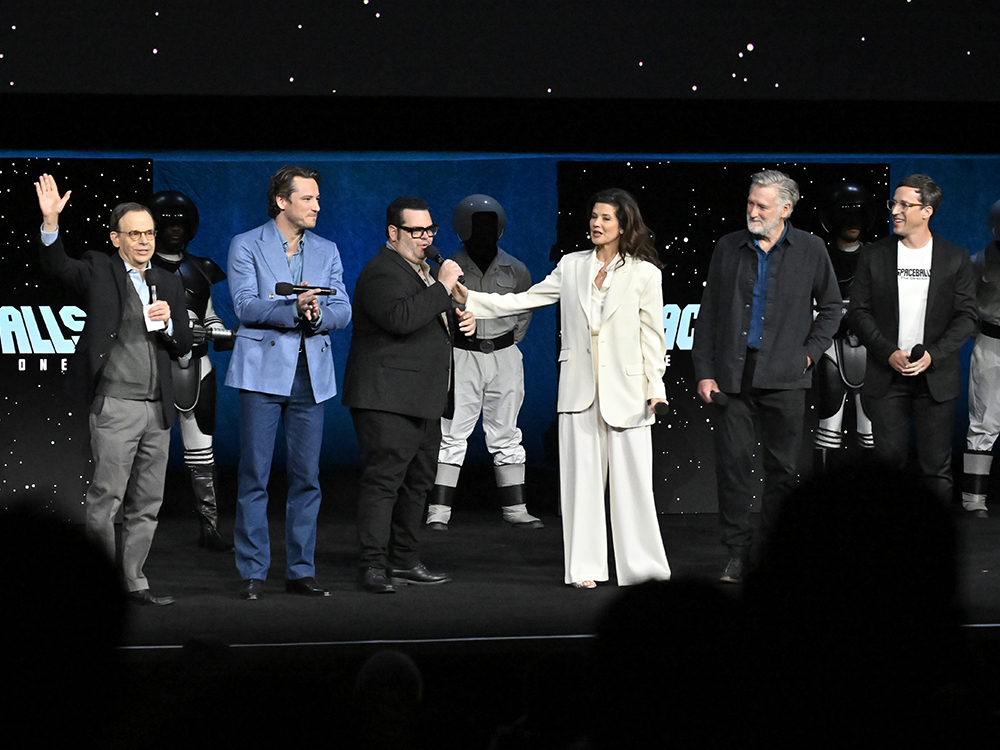
Photo courtesy of David Becker Getty Images for CinemaCon. All Rights Reserved.