 English
Convention - CinemaCon 2026: NEON Stakes Its Claim as the Indie Powerhouse of the Future
By Mulder, Las Vegas, Caesars Palace, Dolby Colosseum, 14 april 2026
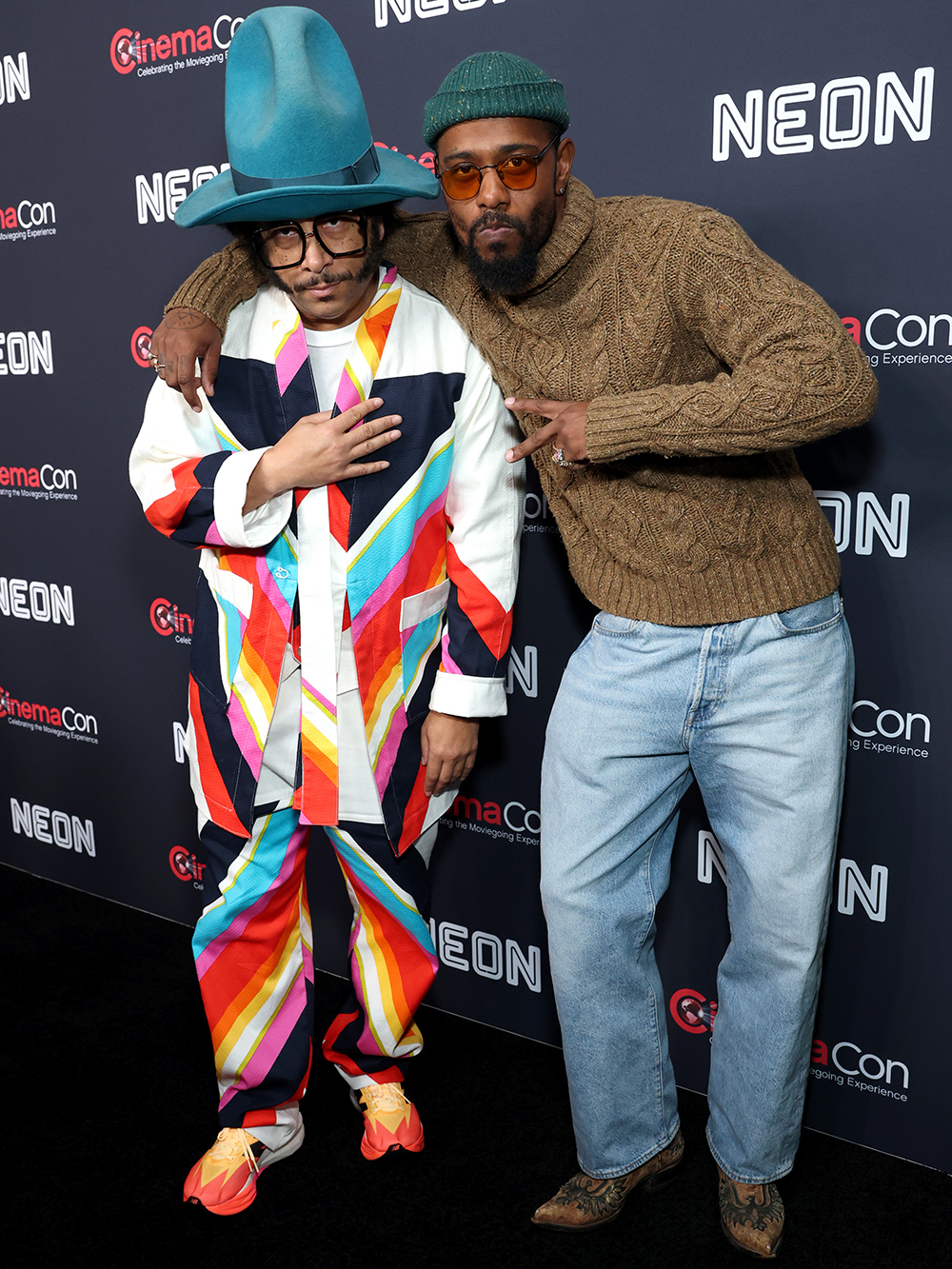
Photo courtesy of David Becker Getty Images for CinemaCon. All Rights Reserved.
NEON arrived at CinemaCon 2026 with the confidence of a company that no longer needs to introduce itself. Once considered a fast-rising boutique distributor, the studio used its first presentation of the day at Caesars Palace’s Colosseum to remind exhibitors that it has become one of the defining independent forces of modern theatrical cinema. Chief Distribution Officer Elissa Federoff set the tone immediately, declaring that the company had become exactly what it set out to build: a studio defined by ambition, originality and a relentless belief in great filmmaking. It was not empty branding. In less than a decade, NEON has gone from launching in 2017 with Colossal to releasing awards juggernauts such as Parasite, Anatomy of a Fall and Anora, while also building a formidable commercial horror lane with titles like Longlegs. Parasite remains the company’s biggest worldwide hit at roughly $262 million and the first non-English-language film to win Best Picture, while Longlegs became NEON’s top domestic grosser in North America in 2024.
What made the presentation notable was how deliberately NEON framed itself as both tastemaker and crowd-pleaser. For years, the studio’s identity was built on festival prestige, Cannes acquisitions and awards campaigns. At CinemaCon, however, the company leaned into a sharper message for theater owners: prestige does not exclude popcorn appeal. Federoff closed one segment by insisting that cinema is, and always will be, meant to be experienced together — a line crafted for exhibitors, but also a signal that NEON sees theatrical not as a niche strategy, but as its core business model. That matters in an era where many specialty distributors hedge toward hybrid releases or limited theatrical windows. NEON instead used the room to say it still believes in opening movies wide enough to matter.

Photo courtesy of David Becker Getty Images for CinemaCon. All Rights Reserved.
The first major crowd moment came with Hokum, the horror title scheduled for May 1. CinemaCon attendees were shown a brand-new trailer, but the bigger play was bringing star Adam Scott onstage after he received the convention’s Award of Excellence in Acting. The actor, whose recent profile has surged thanks to prestige television, spoke like a lifelong genre fan rather than a detached star promoting an obligation. He joked that he discovered at far too young an age that being terrified was irresistible, then added that reading the script made joining the film “an easy yes.” He described the production as an incredible experience and emphasized that he could not wait for audiences to see it in a movie theater. That phrasing was no accident. NEON understands that horror remains one of the most dependable theatrical genres, and Adam Scott’s blend of intelligence, dry wit and everyman unease gives Hokum a marketable hook beyond core horror fans. Verified release listings place the film in theaters May 1, 2026.
If Hokum represented commercial precision, I Love Boosters embodied the company’s irreverent auteur side. Writer-director Boots Riley took the stage alongside CinemaCon Star of the Year LaKeith Stanfield, instantly giving the presentation a different voltage. Boots Riley, who has cultivated a reputation for politically charged, visually inventive work, told the audience plainly: “I make movies for the big screen.” It was one of the most pointed lines of the morning because it reframed theatrical cinema as an artistic medium, not merely a release platform. LaKeith Stanfield, meanwhile, sold the emotional pitch, saying movies have always been about experience and feeling, and that I Love Boosters definitely makes audiences feel something. Boots Riley then described wanting viewers to go through visceral experiences, comparing the intended sensation to an amusement park ride. It was a smart way to position a potentially unconventional title to exhibitors who want clarity: whatever else this movie is, it promises sensation. An on-screen message from Keke Palmer introduced exclusive footage, adding another recognizable face to the campaign. The film is listed for theatrical release on May 22, 2026.
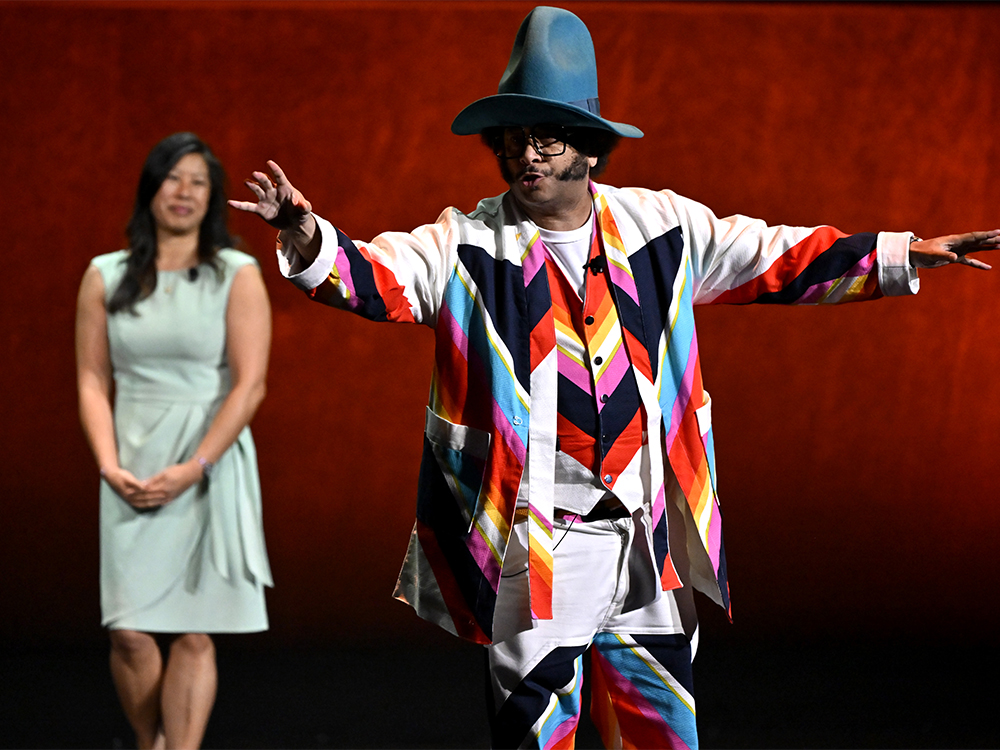
Photo courtesy of David Becker Getty Images for CinemaCon. All Rights Reserved.
NEON also demonstrated that it has become increasingly adept at packaging commercially legible prestige fare. Leviticus, from Adrian Chiarella and backed by producers associated with Talk to Me, was dated for June 19 and introduced with a first trailer look. That “from the producers of” positioning is classic studio marketing language, and its use here showed NEON’s growing mainstream instincts. Then came A Place in Hell, scheduled for Christmas, starring Michelle Williams and Daisy Edgar-Jones. An on-screen introduction from the stars preceded a sneak peek, with the film pitched around ruthless ambition and professional rivalry. Christmas has long been a corridor for prestige dramas with awards potential, and the casting alone suggests NEON is targeting serious attention. Public release tracking lists A Place in Hell for December 25, 2026.
Perhaps the most intriguing reveal for cinephiles was Hope, the new film from Na Hong-jin, shown in an exclusive look while still in post-production. Na Hong-jin, acclaimed for intense, formally controlled thrillers, is exactly the type of filmmaker who reinforces NEON’s identity as curator of global cinema with commercial bite. The studio’s history shows that this lane is not symbolic branding; it has repeatedly turned international auteurs into meaningful U.S. theatrical events, most famously with Bong Joon Ho’s Parasite. That success changed the perception of what subtitled cinema could do commercially in America, and NEON has spent the years since treating global auteurs not as side projects but as centerpiece acquisitions.

Photo courtesy of David Becker Getty Images for CinemaCon. All Rights Reserved.
The deeper story of the presentation was balance. NEON once built its legend on Oscars, Cannes and cinephile credibility. At CinemaCon 2026, it showcased horror, satire, star-driven drama, international auteurs and muscular release dating. That is the profile of a real studio, not simply a taste brand. The company has now won multiple Best Picture Oscars through releases including Parasite and Anora, and it has developed an enviable run with Palme d’Or winners. But in Las Vegas, trophies were background music. The foreground was momentum, audience experience and sellable movies for multiplexes. In practical terms, NEON told exhibitors: we can bring you awards contenders in winter, breakout horror in summer, and buzzy originals all year long.
For a presentation that began with a claim about ambition and originality, the most convincing anecdote may have been Adam Scott talking about how irresistible it is to be scared. That sentiment captures NEON’s current strategy perfectly. The company is betting that audiences still want surprise, risk, discomfort, excitement and discovery — the very sensations that are hardest to replicate at home. At CinemaCon 2026, NEON did more than promote a slate. It argued that adventurous theatrical movies are not a side business anymore. They are the business.

Photo courtesy of David Becker Getty Images for CinemaCon. All Rights Reserved.