
 English
Convention - CinemaCon 2026: Studiocanal Turns Heads With Paddington 4, Danny Boyle and Major Revivals
By Mulder, Las Vegas, Caesars Palace, Dolby Colosseum, 13 april 2026
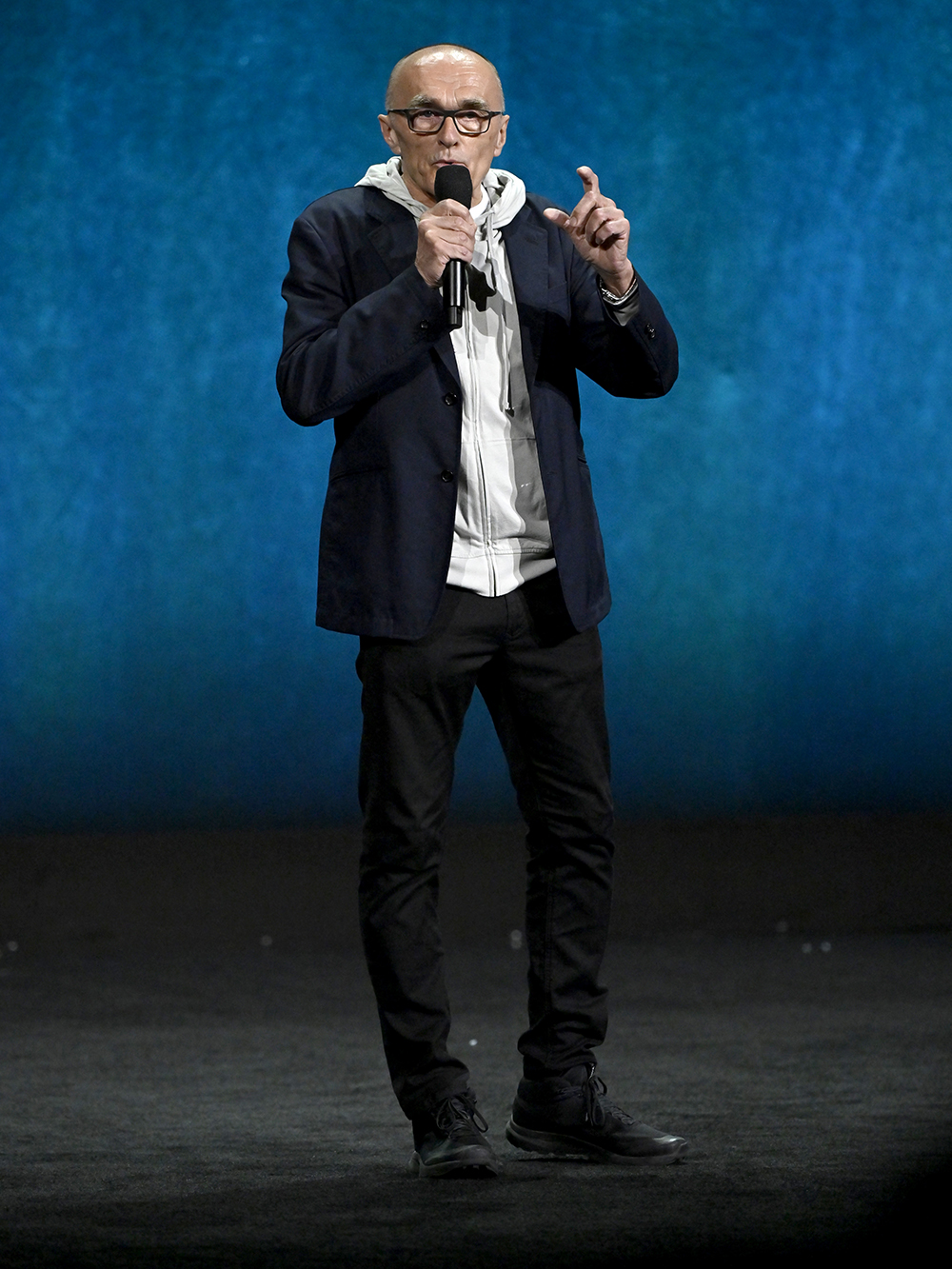
Photo courtesy David Becker Getty Images for CinemaCon. all Right Reserved
When StudioCanal took the stage for the final studio presentation of the CinemaCon 2026 Film Showcase in Las Vegas, the company did something many long-established studios struggle to do: it made its past feel commercially urgent and its future feel unusually broad. Led by CEO Anna Marsh, the French powerhouse—subsidiary of Canal+ and owner of a library of roughly 9,000 titles used the event to remind exhibitors that it is not merely a rights-holder with a prestigious catalog, but one of Europe’s most active modern content engines. The presentation reportedly opened with a sizzle reel dedicated to Paddington, instantly signaling the company’s clearest global crown jewel. That choice was strategic: while American studios often lead with superheroes or sequels, StudioCanal led with warmth, trust and family branding. In an industry increasingly driven by recognizable IP, the marmalade-loving bear may be one of the safest theatrical bets anywhere.
The headline announcement landed quickly: Paddington 4 is officially in development, alongside a new animated feature expanding the same universe. That double reveal says a lot about how StudioCanal now sees the property not as an occasional live-action franchise, but as a multi-format brand with year-round value. The first three films built extraordinary goodwill, with Paddington and Paddington 2 especially becoming rare family titles embraced equally by critics and audiences, while Paddington in Peru continued the series theatrically in 2024. By pairing a fourth live-action installment with animation, StudioCanal appears to be pursuing the same ecosystem logic used by major U.S. studios: one tentpole, multiple audience entry points, sustained merchandising relevance. It also follows the company’s recent expansion of its kids-and-family licensing business and stage activity around the brand. In practical terms, Paddington is no longer just a film character for StudioCanal, he is infrastructure.

Photo courtesy David Becker Getty Images for CinemaCon. all Right Reserved
One of the more intriguing anecdotes from the room was how confidently the company mixed gentle family fare with aggressive genre repositioning. Almost immediately after the Paddington news came word that reimaginings of Escape from New York and The Howling are in development. This is quintessential StudioCanal behavior: monetize a deep library by alternating nostalgia with reinvention. The company has long controlled valuable legacy rights, including Carolco and Embassy-related assets, and knows that older titles can return as modern theatrical propositions if framed correctly. Escape from New York offers dystopian action branding with built-in recognition, while The Howling gives the studio access to elevated horror at a time when genre remains one of the healthiest theatrical categories. Rather than chasing superheroes it does not own, StudioCanal is mining cult prestige and turning it into contemporary inventory. That is a smarter lane than it may first appear.
The company also showed signs of wanting younger family audiences beyond Paddington. Fresh modern reboots of Pippi Longstocking and Mr. Men were highlighted, demonstrating a deliberate return to globally known children’s brands with cross-generational familiarity. This matters because family audiences remain one of the most dependable theatrical demographics, but they require trust, simplicity and repeatability. Both properties are instantly legible to parents while being easily refreshed for children who have never encountered them before. In effect, StudioCanal’s family strategy now appears to have three tiers: premium live-action event films (Paddington), lower-risk animation, and evergreen literary or publishing adaptations. It is a diversified approach that many larger studios currently lack.
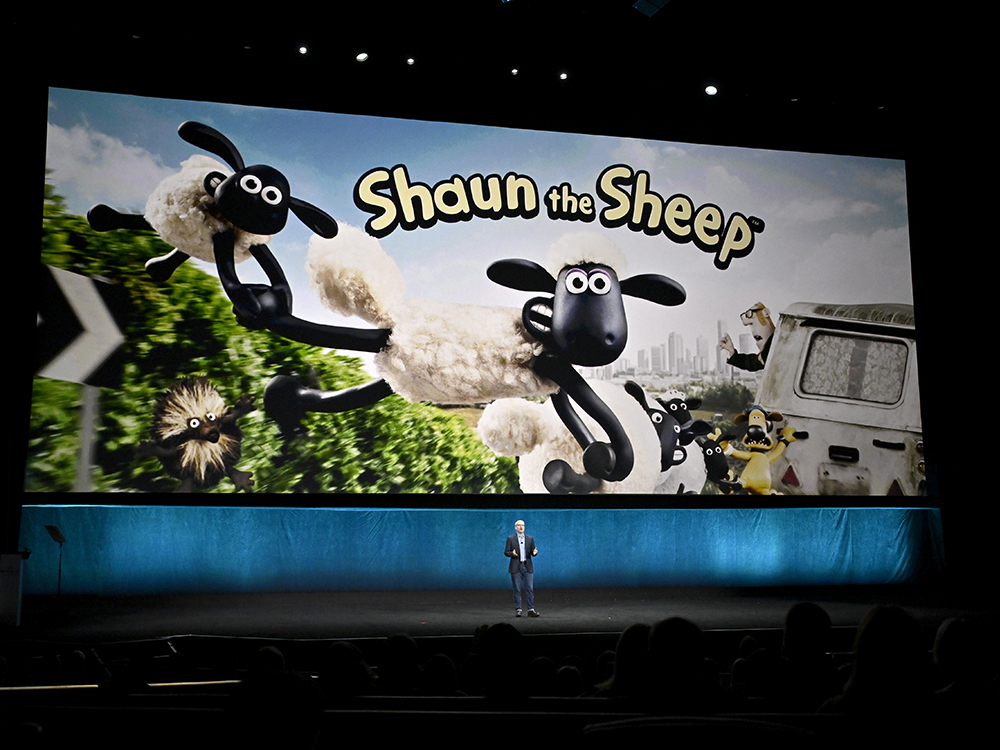
Photo courtesy David Becker Getty Images for CinemaCon. all Right Reserved
Executive vice president of global marketing and distribution Hugh Spearing then steered the room through the near-term slate, including an exclusive clip from Shaun the Sheep: The Beast of Mossy Bottom, set for theatrical release on September 18. That title may have drawn less immediate online noise than Paddington, but exhibitors likely noticed it carefully. Aardman’s Shaun the Sheep brand carries strong family recognition, dependable international performance and broad merchandising appeal. In a marketplace where cinemas need films that can fill weekend matinees without blockbuster-level risk, titles like this are deeply valuable. StudioCanal’s presentation repeatedly suggested the company understands something many others forget: not every theatrical win has to be a billion-dollar phenomenon.
There was also a notable act of corporate memory: Terminator 2: Judgment Day will receive a 35th anniversary re-release this year. For StudioCanal, which has historical ties to the title through its catalog holdings, this was more than repertory programming. Anniversary reissues have become meaningful revenue drivers, especially for premium large-format screenings and nostalgia audiences. The move also subtly reminded the room that StudioCanal’s library is not abstract, it contains globally famous films with continuing box-office utility. Few independent players can announce both Paddington 4 and a fresh theatrical cycle for Terminator 2 in the same presentation.

Photo courtesy David Becker Getty Images for CinemaCon. all Right Reserved
The darker side of the slate was represented by a teaser for Eli Roth’s The Ice Cream Man, dated August 7, and news that The Mannequin from genre filmmaker Sean Byrne enters production this summer. This aligns with StudioCanal’s recently launched genre label Sixth Dimension, created to focus on horror, thriller and sci-fi action fare. That internal label now looks less like a press-release experiment and more like a real production pipeline. Horror remains one of the most cost-effective theatrical genres, and StudioCanal seems determined to own a larger slice of that space globally. The juxtaposition of Paddington and splatter-ready summer horror might sound odd, but commercially it is coherent: family films sell daylight tickets, horror sells Friday nights.
Another title that generated curiosity was Everybody Wants to F** Me*, starring Taron Egerton, introduced with exclusive footage and described as being in post-production. Even the provocative title felt like part of the strategy. CinemaCon rooms are flooded with interchangeable corporate messaging; a title like that cuts through instantly. It also suggests StudioCanal is not limiting itself to respectable heritage brands and middlebrow prestige. The company wants edgy adult comedies and conversation starters too categories many majors have deemphasized theatrically.
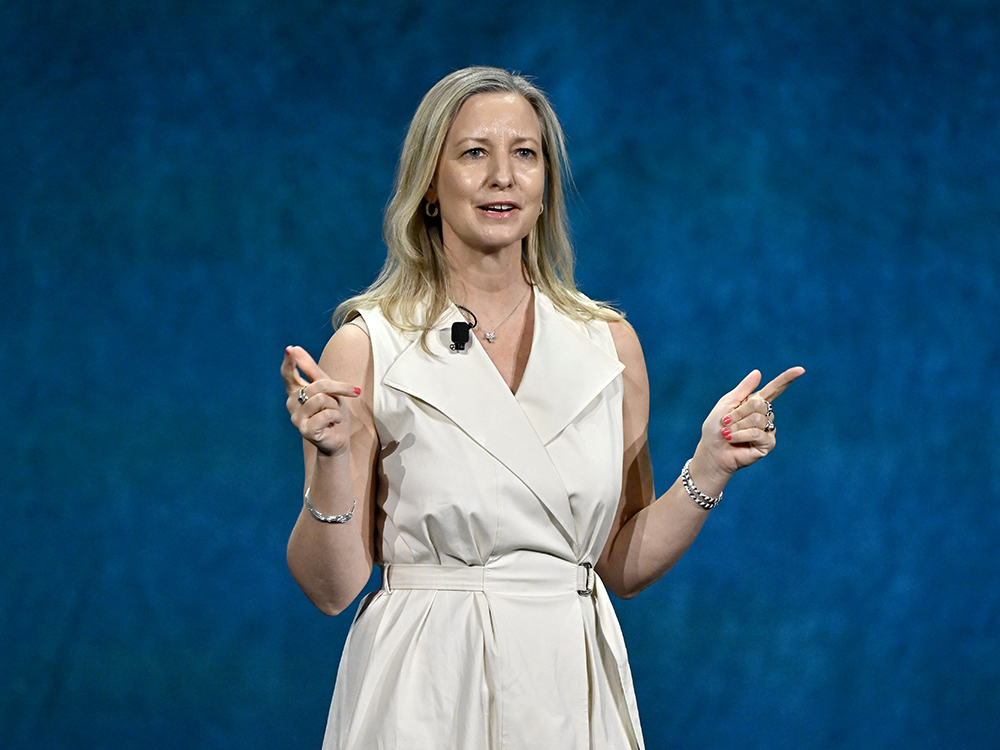
Photo courtesy David Becker Getty Images for CinemaCon. all Right Reserved
The French slate underscored StudioCanal’s home-market muscle. Upcoming releases from StudioCanal France included Violette and Les Misérables, while productions in progress mentioned included The Custom of the Country starring Sydney Sweeney, Fonda described as the anticipated follow-up to Anatomy of a Fall and a first look at Elsinore, which is now in post-production. Elsinore has separately been reported as starring Andrew Scott and Olivia Colman, with a 2027 release planned. This section of the presentation may have mattered most strategically: it showed StudioCanal can operate simultaneously as global IP manager and serious European producer. Many companies can do one of those jobs. Very few can credibly do both.
The presentation closed with star power when Academy Award winner Danny Boyle appeared to discuss his new film Ink and unveil the opening scene to attendees. The film has been reported as a 2027 release starring Guy Pearce, with Jack O’Connell and Claire Foy also linked. Bringing Danny Boyle onstage was canny showmanship: after a presentation heavy on brands, sequels and library economics, StudioCanal ended on auteur energy. It was a reminder that the company’s identity still includes filmmaker-driven cinema, not just exploitation of assets. That balance—commerce first, credibility intact—is rare.
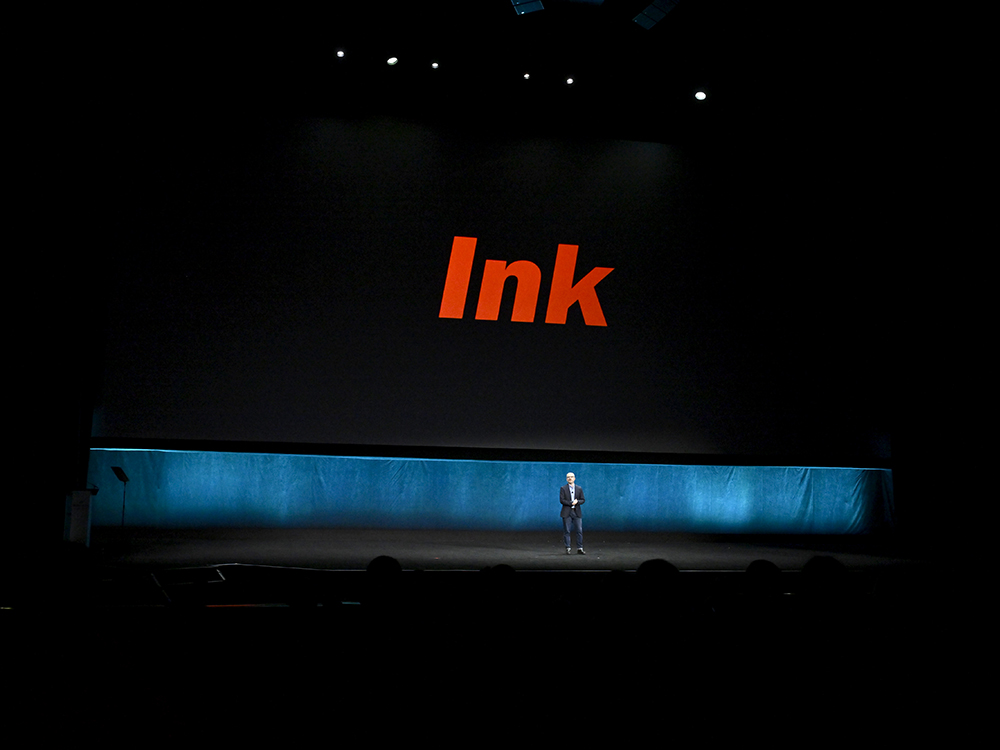
Photo courtesy David Becker Getty Images for CinemaCon. all Right Reserved
What made the entire showcase notable was tone. StudioCanal did not present itself as a mini-major trying to imitate Hollywood. Instead, it leaned into being something Hollywood increasingly needs: a nimble international studio with beloved family IP, exploitable catalog depth, genre agility, European prestige access and growing English-language ambition. In a marketplace obsessed with scale, Anna Marsh’s team made a convincing case that curation, ownership and flexibility may matter just as much. CinemaCon audiences came expecting announcements; StudioCanal quietly offered a business model.