

At the Cinémathèque, an exhibition to rediscover Marilyn Monroe
Tuesday 7 April, 4:00 AM PT Paris, Cinémathèque Français 2026-04-07
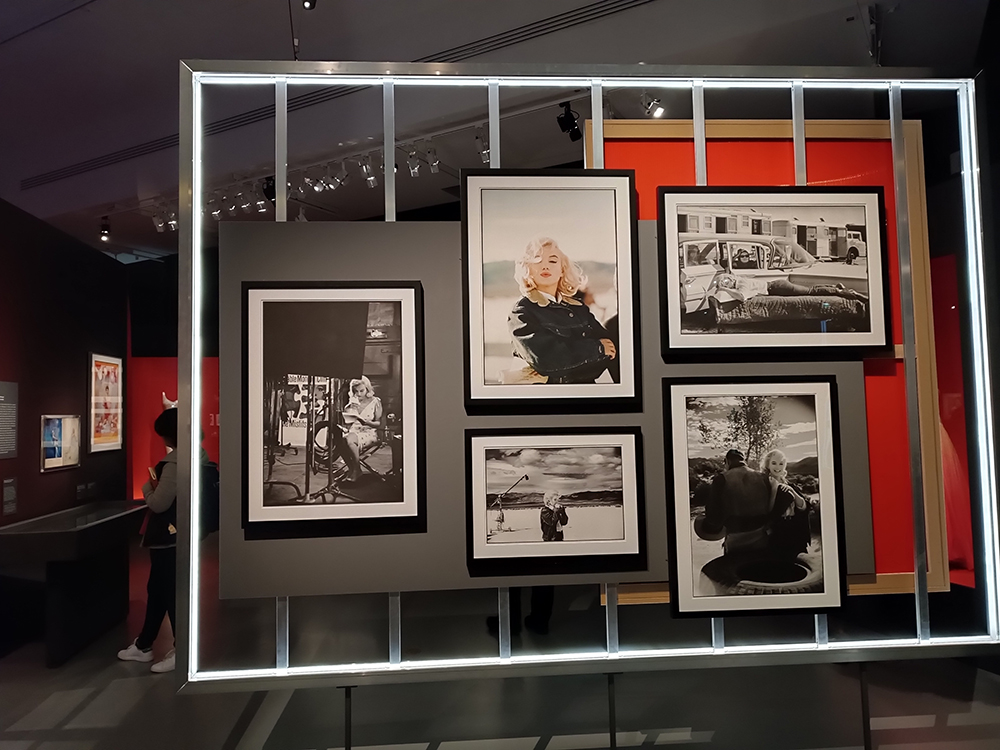
Three years ago, the Cinémathèque Française celebrated Marilyn Monroe with a retrospective of her films. Today, for the centenary of this star's birth, Florence Tissot has designed an exhibition to rediscover the actress at work, her talents as a performer, and her place in the grand history of the Hollywood star system, through a rich selection of original costumes, film clips, photographs, and rare documents. The seven-stage exhibition seeks to move beyond clichés to reveal the complexity of an actress often reduced to her physical appearance and vulnerabilities. The scenography is successful, with its red and black tones and the pale pink boudoir-style room. The metal frames and neon lights highlight the black and white photographs. Their structure creates pauses in the exhibition's flow.

From the outset, the tone is set: this is not about blindly celebrating a star, but about examining the mechanisms of her creation. The exhibition highlights the central paradox of Marilyn Monroe (a world-famous actress, yet constantly denigrated) by emphasizing how her talent has been overshadowed by a psychologizing interpretation of her career. This critical approach allows Monroe to be repositioned as a true professional actress. The exhibition is distinguished by the clarity of its thematic structure. The section "A Myth" is particularly compelling: it demonstrates how Monroe's public image was built as much on her roles as on her private life, amplified by studio strategies and media fascination. The analysis of the famous scene from The Seven Year Itch, with her dress billowing up over a subway grate, is illuminating in this regard, revealing the commercial logic behind what has become an iconic image.

The “Metamorphosis” section deepens this reflection by deconstructing the narrative of social ascent often associated with the actress. By exposing the almost scripted fabrication of her identity by the studios, the exhibition underscores the industrial dimension of the star system. This critical perspective is one of the exhibition’s greatest strengths, as it situates Monroe within a broader economic and ideological framework. It is in the sections "Femme Fatale" and "Legally Blonde" that the exhibition gains intensity. Here, it explores the tension between sexualization and emancipation, showing how Monroe was both an object of desire and an actress conscious of her image. The evocation of the "calendar affair" and the publication of the photos in Playboy aptly underscores the symbolic violence of this non-consensual media exposure. Simultaneously, the actress battled Fox to become independent. She went to New York to study at the Actors Studio and created her own production company. Marilyn Monroe: Actress and Producer.
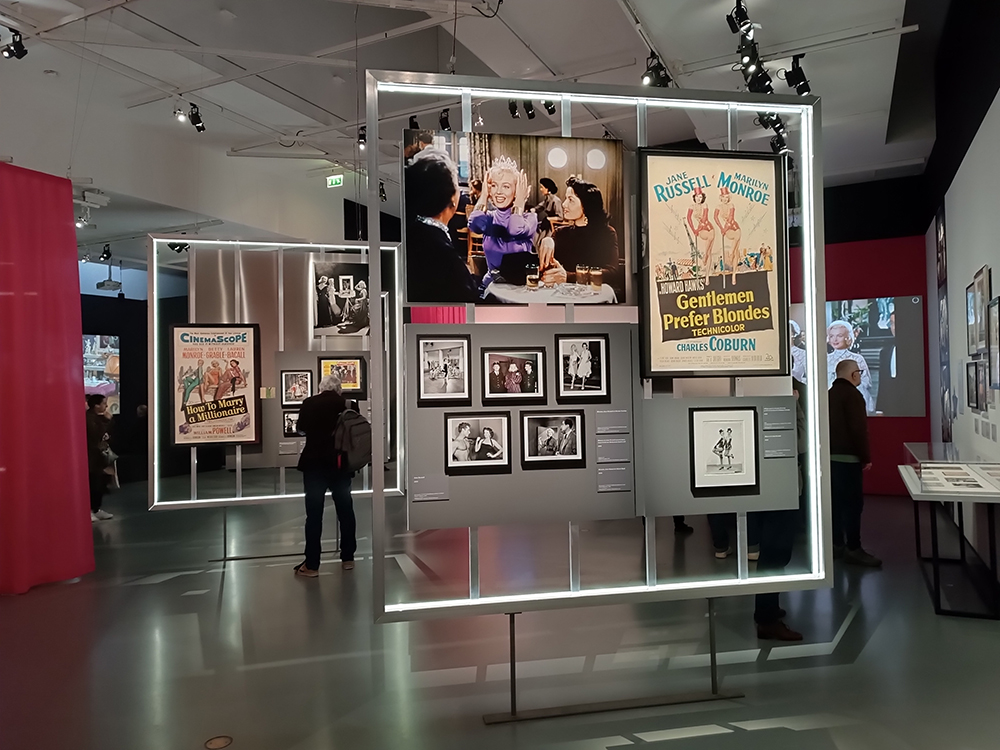
The "Borderline" section represents a more delicate turning point. By revisiting the discourses surrounding Monroe's instability, the exhibition attempts to rehabilitate a figure often pathologized. It has the merit of opening a debate on how women, particularly in the film industry, are judged and categorized. Marilyn Monroe died of a drug overdose at the age of 36 in 1962, after only 16 years in the business. "Performer Marilyn" places the exhibition in a contemporary perspective, showcasing the enduring presence of her image in popular culture and its reinterpretations by current artists. The exhibition distinguishes itself through its critical and well-researched approach, which rejects mere nostalgic celebration. More than a tribute, the exhibition offers a genuine reflection on the creation of icons and the place of women in the cultural industry—a subject that is more relevant than ever.
Practical information:
Cinémathèque Française – 51 rue de Bercy, 75012 Paris
April 8–July 26, 2026
Monday, Wednesday–Friday: 12 PM–7 PM
Weekends, school holidays, and public holidays: 11 AM–8 PM. Closed on Tuesdays and May 1.
Free late-night viewings for 18–25-year-olds on the second Thursday of the month until 9:00 PM, by registration
Admission: Full price €14 / Reduced rate and 18–25-year-olds €11 / Under 18 €7 / Libre Pass: free admission
Photos : Sabine Chevrier / Mulderville