

Marilyn Monroe: 100 Years! — A Brilliant Paris Exhibition on the Woman Behind the Image
Tuesday 7 April, 11:00 AM PT Paris, Cinémathèque française 2026-04-07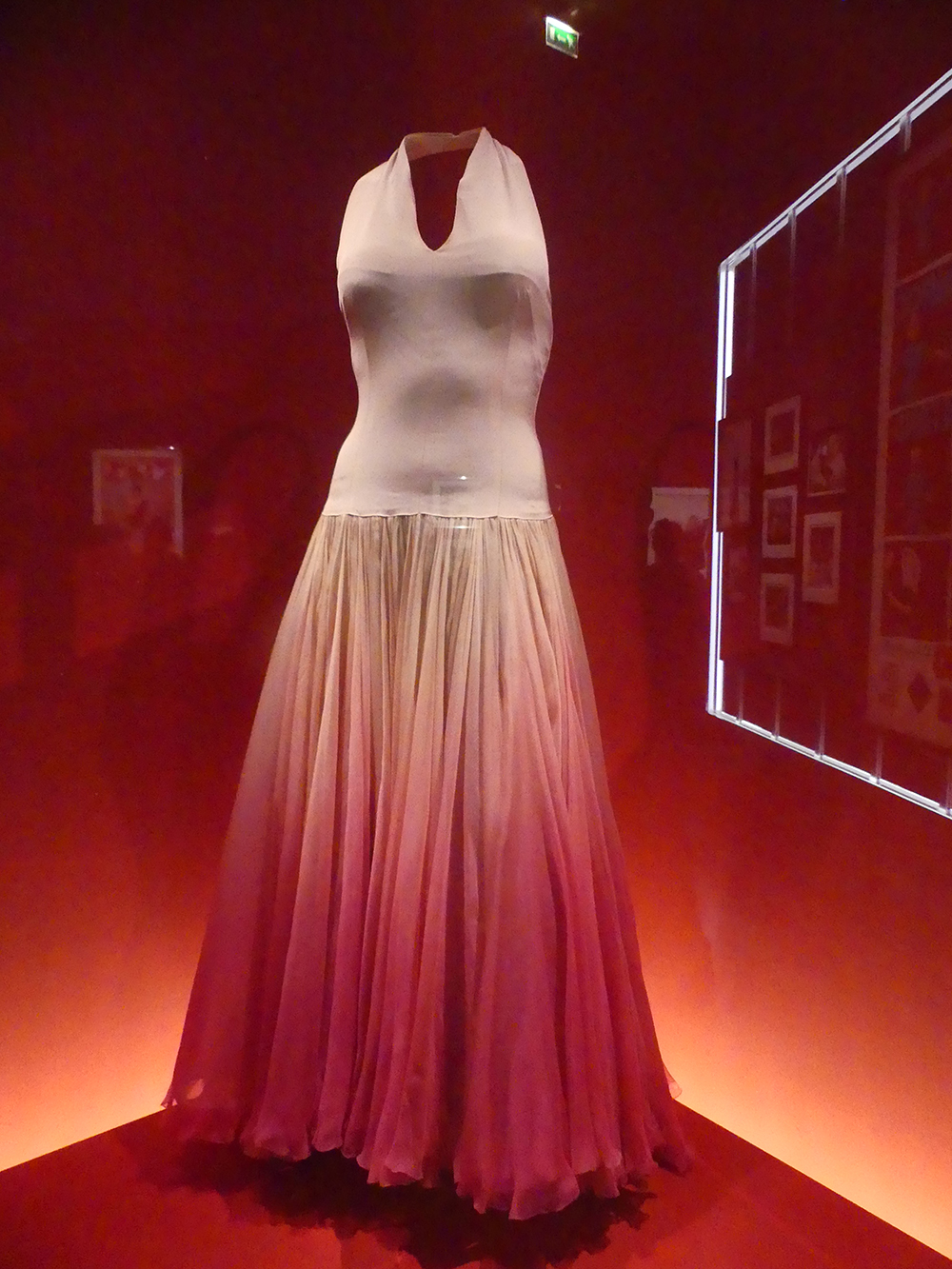
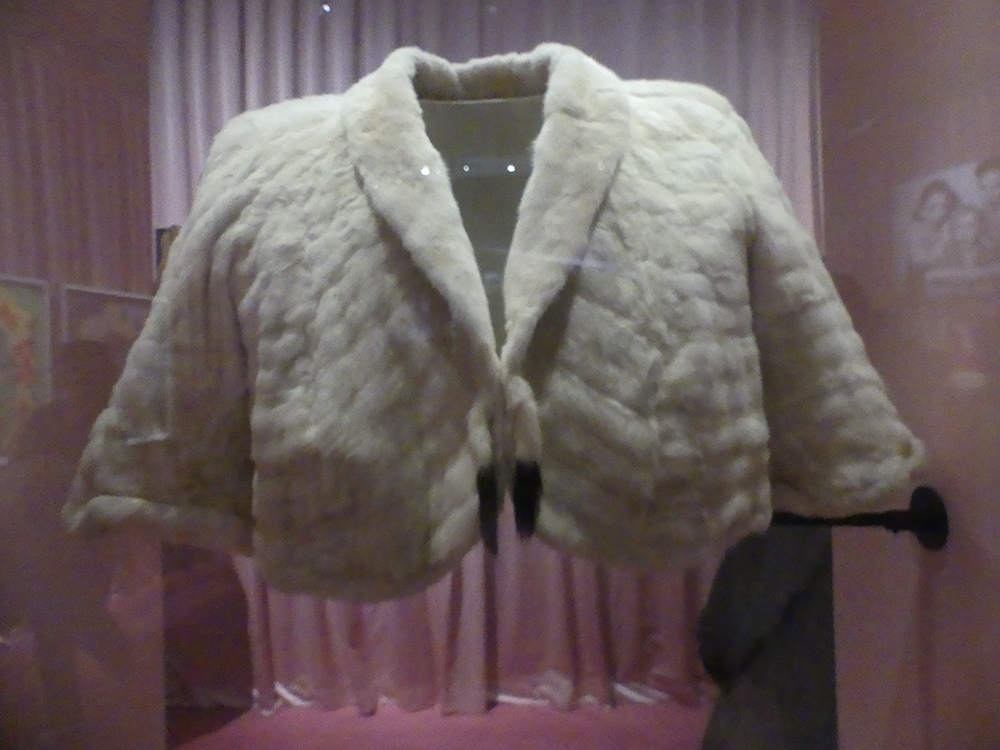
Unveiled on the eve of its opening to the public in Paris on April 7, 2026, the exhibition Marilyn Monroe: 100 Years! immediately strikes one as much more than a simple commemorative event organized by a museum; it is more akin to a carefully considered cinematic reevaluation. Presented at the Cinémathèque Française from April 8 to July 26, 2026, the exhibition is produced by the institution and curated by Florence Tissot, with an explicit ambition that sets the tone from the very first rooms: to celebrate the star, certainly, but above all to redefine the actress. This approach is significant because it challenges one of the most persistent oversimplifications in film history: the notion that Marilyn Monroe was merely an image, a pin-up, a legend embalmed by promotional photos and tragedy. The official presentation instead emphasizes original costumes, film clips, photographs, rare documents, and a curatorial design intended to reconnect visitors with Marilyn Monroe’s work on screen and with the broader mechanisms of the Hollywood star system that both elevated and diminished her. Our publication visited the exhibition this afternoon, and our initial reaction was one of genuine enthusiasm: it is a rich, captivating, and often magnificent exhibition, even if one might occasionally wish for fewer photographs and more actual props from the most beloved films in her repertoire. That slight reservation aside, the exhibition succeeds where many tributes to Marilyn Monroe fail, because it does not merely worship her image; it questions it.

What makes the exhibition particularly captivating is the way it embraces the tension at the heart of Marilyn Monroe’s career rather than glossing over it. She has long been remembered more for her photographs than her performances, and even well-meaning commentary often reduced her on-screen work to an emotional outburst stemming from a chaotic private life, as if her acting could never be recognized as a consciously constructed art form. This is precisely the trap the exhibition seeks to break. Instead of accepting the old cliché that Marilyn Monroe was simply herself in front of the camera, the exhibition restores the idea of interpretation, physicality, rhythm, and acting choices. It is a clever and necessary approach, for Marilyn Monroe’s filmography tells a story far more complex than the myth-making machine allowed: born Norma Jeane Mortenson on June 1, 1926, she went from wartime factory work and modeling to screen contracts with 20th Century-Fox and Columbia Pictures, then became one of the iconic stars of the 1950s thanks to films such as Niagara, Gentlemen Prefer Blondes, How to Marry a Millionaire, The Seven Year Itch, Bus Stop, Some Like It Hot, and The Misfits. She also co-founded Marilyn Monroe Productions with Milton Greene, a rare and bold act of industrial self-assertion for a female star of that era, and won a Golden Globe for Some Like It Hot. The exhibition’s emphasis on Marilyn Monroe as a worker, strategist, and actress therefore does not seem revisionist but rather corrective—albeit somewhat belated—especially in 2026, the centennial year of a figure whose artistic ambition was all too often punished in real time for clashing with the role the industry had assigned her.

This broader argument resonates even more strongly because the Cinémathèque Française does not isolate Marilyn Monroe from the apparatus that created her. The exhibition’s material draws attention to the glamorous publicity machine of the 1950s, to the sexy wardrobe, the deluge of media coverage, the famous portraits created by artists and photographers such as Eve Arnold, Richard Avedon, and Andy Warhol, as well as on the enduring legacy of an image that grew considerably after Marilyn Monroe’s death at the age of 36 in 1962. There is something intelligent—and frankly moving—in the way the exhibition transforms this abundance into a subject rather than mere backdrop. It does not merely ask who Marilyn Monroe was, but explores how belief systems surrounding celebrity, femininity, innocence, eroticism, and fame were projected onto her body, then endlessly repeated by critics, studios, the public, collectors, and biographers. This is where the exhibition’s most contemporary ideas emerge. Marilyn Monroe is not presented as a solved enigma, but as a battleground of interpretations: sex symbol and disciplined actress, vulnerable figure and savvy creator of her own image, victim of the studio era and active participant within it. It is this complexity that explains why she still matters so much beyond the circles of film buffs. The American Film Institute ranks her among the greatest female legends of Hollywood’s Golden Age, while her image remains so culturally potent that even the Los Angeles home she purchased in 1962 (the only one she ever owned) was designated a historic and cultural landmark in 2024 after a long battle for its preservation. In other words, Marilyn Monroe is not merely commemorated; she is still the subject of negotiations, protected, commercialized, and reinterpreted, and the Paris exhibition understands this very clearly.
There is also a distinctly cinematic delight in the way the Cinémathèque Française extends the exhibition into a broader Marilyn Monroe season, as this prevents the exhibition from becoming a mausoleum of nostalgia. Alongside the exhibition, the institution is organizing a retrospective from April 8 to May 24, 2026, followed by weekend screenings, as well as lectures and events exploring every aspect, from acting schools to CinemaScope, and Marilyn Monroe’s place within major film genres. The practical details underscore just how seriously the institution takes this event, viewing it as a living program rather than a static showcase: opening hours vary between weekdays and weekends, guided tours are scheduled on Saturdays and Sundays, and the accompanying program includes themed evenings, debates, and performances. All of this reinforces the central idea of Florence Tissot’s conceptual framework: Marilyn Monroe must not be reduced to a face, a dress, a death, or a myth. She must be viewed, studied, and discussed as an actress. This may seem obvious, but within the exhibition, this message takes on surprising force, as one realizes just how rarely the public discourse surrounding Marilyn Monroe has accorded her this fundamental respect. The result is an exhibition that is both elegant and discreetly combative, convincingly demonstrating that the centennial of Marilyn Monroe’s birth should not be used to embalm a fantasy, but to return to the films and acknowledge the intelligence, the work, and the contradictions that made that fantasy possible in the first place.

Marilyn Monroe: 100 Years! works so well because it understands the difference between iconography and cinema, and refuses to choose between the two. Yes, it revels in the visual opulence embodied by Marilyn Monroe, and yes, some visitors may leave with the impression that the photographic material slightly outweighs the number of truly breathtaking film props. But this imbalance in no way spoils the experience, for the exhibition’s true success lies elsewhere: it restores movement where popular culture often freezes Marilyn Monroe in stillness. It brings to light the actress hidden beneath the poster, the ambitious artist trapped in the caricature of the ditzy blonde, and the woman whose image has been endlessly monetized while her art was all too easily dismissed. For a Parisian audience, and especially for young visitors who know the image from the subway turnstile long before they know Bus Stop or The Misfits, this is no small feat. This is not merely an anniversary exhibition; it is a striking reminder that Marilyn Monroe remains one of the central paradoxes of 20th-century cinema history—at once overexposed and misunderstood, universally visible and yet strangely invisible. At the Cinémathèque Française, for at least a few months, she is finally being treated with the seriousness she has always deserved.

You can discover our photos in our Flickr page here and here
Filmographie :
1947 - Dangerous Years
1948 - Scudda Hoo! Scudda Hay!
1948 - Ladies of the Chorus
1949 - Love Happy
1950 - A Ticket to Tomahawk
1950 - The Asphalt Jungle
1950 - All About Eve
1950 - The Fireball
1950 - Right Cross
1951 - Home Town Story
1951 - As Young as You Feel
1951 - Love Nest
1951 - Let's Make It Legal
1952 - Clash by Night
1952 - We're Not Married!
1952 - Don't Bother to Knock
1952 - Monkey Business
1953 - O. Henry's Full House
1953 - Niagara
1953 - Gentlemen Prefer Blondes
1953 - How to Marry a Millionaire
1954 - River of No Return
1954 - There's No Business Like Show Business
1955 - The Seven Year Itch
1956 - Bus Stop
1957 - The Prince and the Showgirl
1959 - Some Like It Hot
1960 - Let's Make Love
1961 - The Misfits
Photos and video 4K : Boris Colletier / Mulderville