
 English
Convention - Paris Manga & Sci-Fi Show 2026: An Exceptional Guest Line-Up for a Frustratingly Brief Panel
By Mulder, Parc des expositions de Paris Nord Villepinte (Hall 7), 14 march 0002 to 14 march 2026
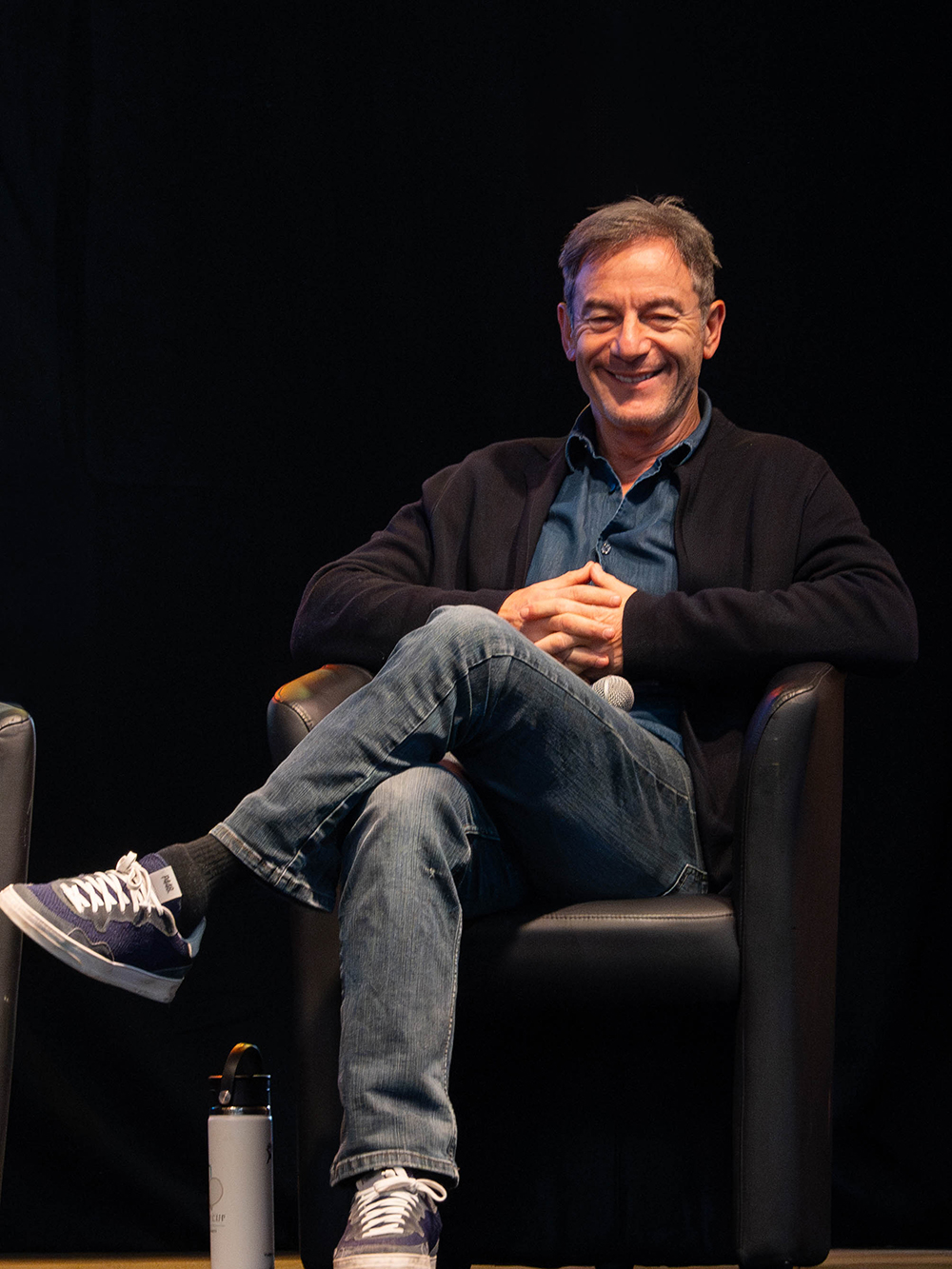
On March 14, 2026, at the Paris Nord Villepinte Exhibition Center, the Paris Manga & Sci-Fi Show once again demonstrated its appeal to pop culture fans, but also, paradoxically, revealed certain organizational shortcomings that left a slightly bitter aftertaste despite a lineup of renowned guests. In Hall 7, a panel was held featuring four iconic figures from film and television: Jason Isaacs, Craig Parker, Emily Swallow, and Lee Arenberg. A rare, almost ideal lineup that deserved a much more ambitious presentation, given that these personalities embody cult universes ranging from Harry Potter to The Lord of the Rings, Star Wars, and Pirates of the Caribbean. Yet, against all expectations, this moment was limited to a single discussion lasting about thirty minutes, with no video recording allowed—a frustrating first for a media outlet accustomed to documenting these events for over a decade.
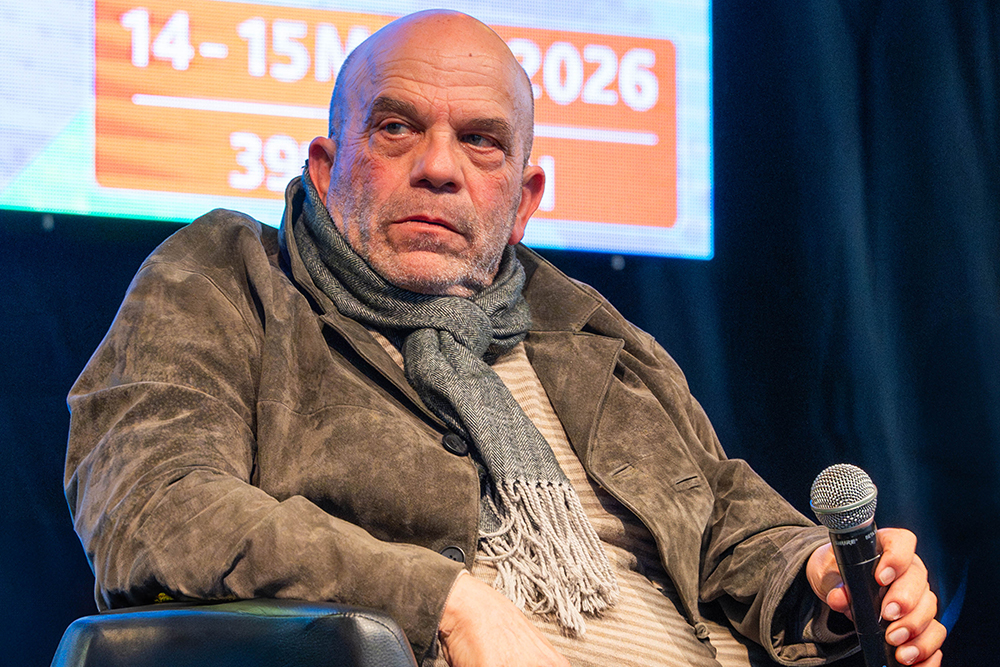
What immediately strikes one is the contrast between the richness of the careers represented and the brevity of the format offered. Jason Isaacs, whose career is as impressive for its longevity as for its diversity, could have single-handedly filled an entire conference. From Event Horizon to The White Lotus (whose third season recently earned him Emmy and Golden Globe nominations), not to mention his iconic portrayal of Lucius Malfoy in the Harry Potter saga, the British actor possesses that rare ability to transform every role into a memorable presence. A revealing anecdote often cited: after his audition for Harry Potter, he devoured several volumes in one sitting, fascinated by the universe—proof of an instinctive commitment that is still evident today in his interactions with fans. On stage, this natural charisma translated into a ease that blended British humor with more personal reflections on his career, notably his difficult early days following the commercial failure of Peter Pan, as well as his ability to draw on personal experiences to bring depth to his complex, often antagonistic characters.
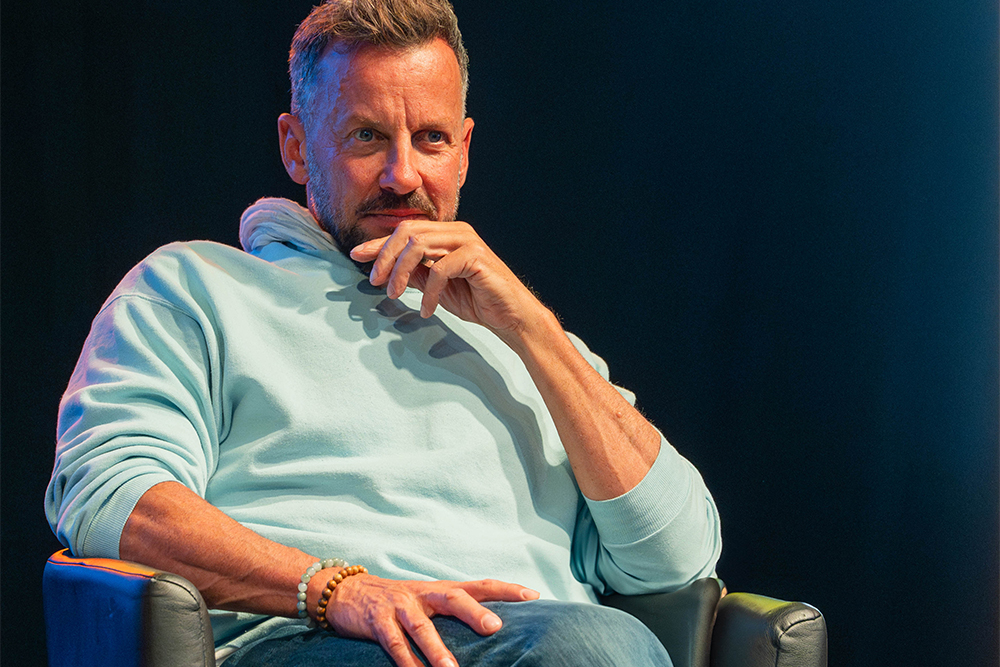
Alongside him, Craig Parker represented another facet of global fantasy—the one that left an indelible mark on an entire generation with The Lord of the Rings. His portrayal of Haldir, the elf of Lórien, remains etched in viewers’ memories, particularly thanks to his presence during the Battle of Helm’s Deep, a pivotal moment in The Two Towers. But reducing his career to this single role would be a mistake: from Spartacus, where he plays the fearsome Glaber, to Reign and his numerous television appearances, Craig Parker has established himself as a chameleon-like actor capable of navigating between genres. During the panel, he spoke with a certain nostalgia about his early days on the New Zealand series Shortland Street, recalling how those early experiences shaped his approach to international productions, with a discipline inherited from theater and intensive filming schedules.
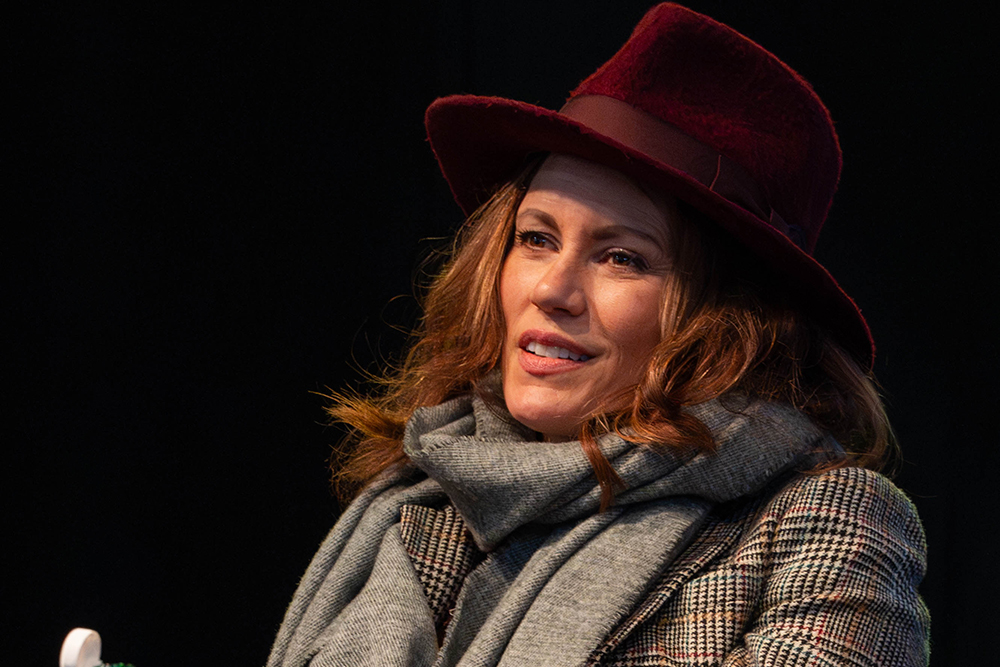
Emily Swallow, for her part, brought a different, more contemporary energy, rooted in the new era of hit series. Known worldwide for her role as the Armorer in The Mandalorian, she plays a character whose mystery relies largely on the absence of a face on screen—a constraint that has become a narrative strength.
This detail, often discussed with fans, perfectly illustrates how modern productions play with the traditional codes of character identification. But her journey doesn’t stop there: from Supernatural, where she plays Amara, to her early days on stage and on Broadway, Emily Swallow embodies this generation of actors capable of navigating between classical theater and geek culture with impressive fluidity. She has notably shared her attachment to stage work, noting that her early experiences in plays like King Lear or Much Ado About Nothing continue to influence how she approaches roles on screen.
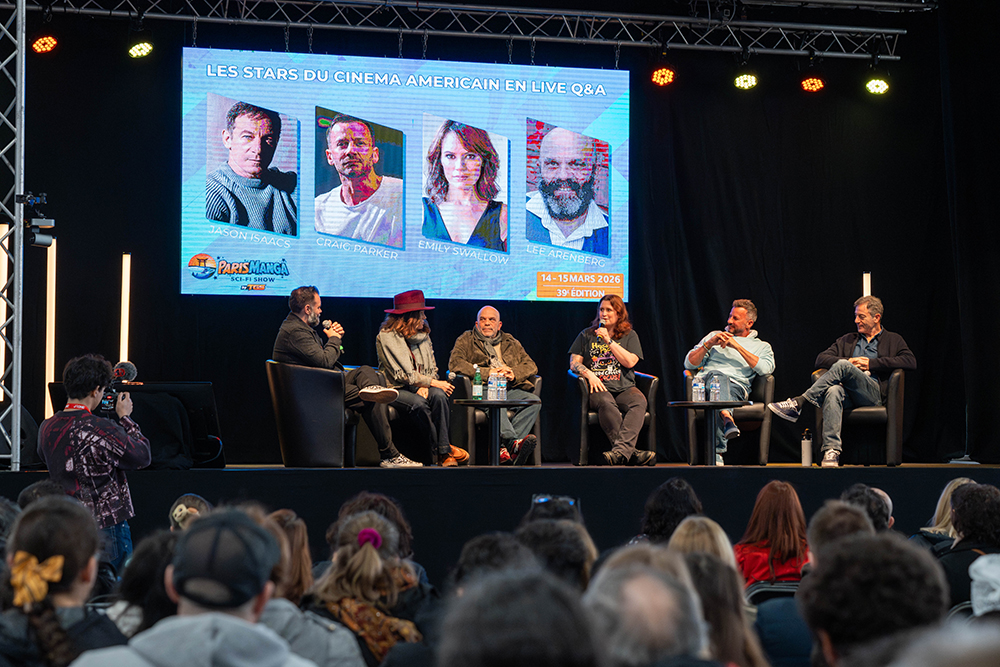
Lee Arenberg brought a lighter, nostalgic touch, immediately associated with his role as Pintel in Pirates of the Caribbean, but also with his portrayal of Grumpy the Dwarf in Once Upon a Time. His career, marked by a multitude of television appearances ranging from Seinfeld to Friends, reflects a career built on versatility and the ability to leave a lasting impression, even in supporting roles. A frequently mentioned amusing anecdote regarding his character Pintel is his absence from the fourth installment of the saga, a decision that surprised fans and which the actor himself has humorously addressed at various conventions. On stage, Lee Arenberg skillfully played on this closeness with the audience, alternating between self-deprecating humor and memories from filming, notably his collaborations with figures like Johnny Depp or the sometimes chaotic conditions on Hollywood sets.
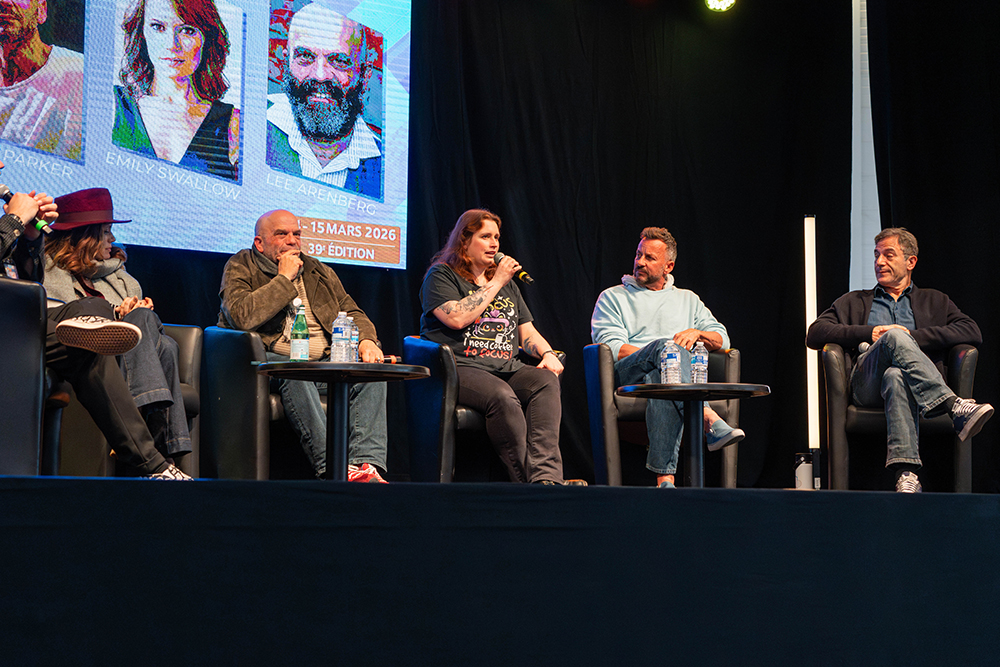
This panel, despite its brevity, thus offered a fascinating snapshot of several decades of popular culture, bringing together actors from major franchises and different generations. But it also highlighted a frustration shared by many observers: with such a lineup, why not have held more panels, delved deeper into discussions, or offered longer formats? This almost inevitable question underscores a recurring challenge at today’s conventions, torn between logistical constraints and the expectations of an increasingly demanding audience. As I left Hall 7 that evening, one feeling lingered: that of having witnessed a precious, yet all too fleeting moment, like a promising trailer for a movie we would have loved to see in its full-length version.
You can discover our photos in our Flickr account
Photos: @fannyrlphotography