
 English
Premiere - The Super Mario Galaxy Movie : A cosmic premiere in Kyoto celebrates Nintendo’s most ambitious cinematic leap yet
By Mulder, Japon, Kyoto, Minamiza Theater, 28 march 2026
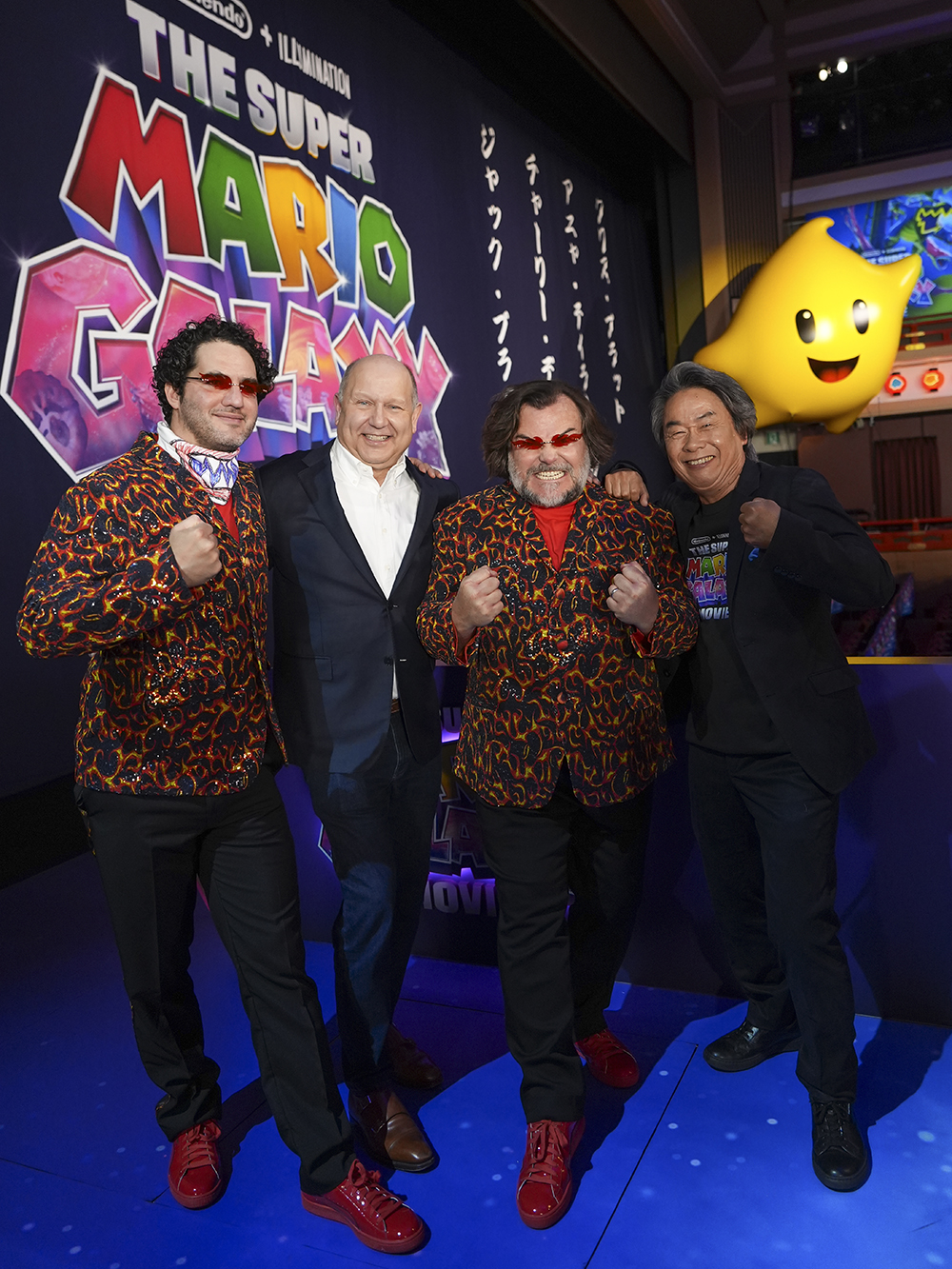
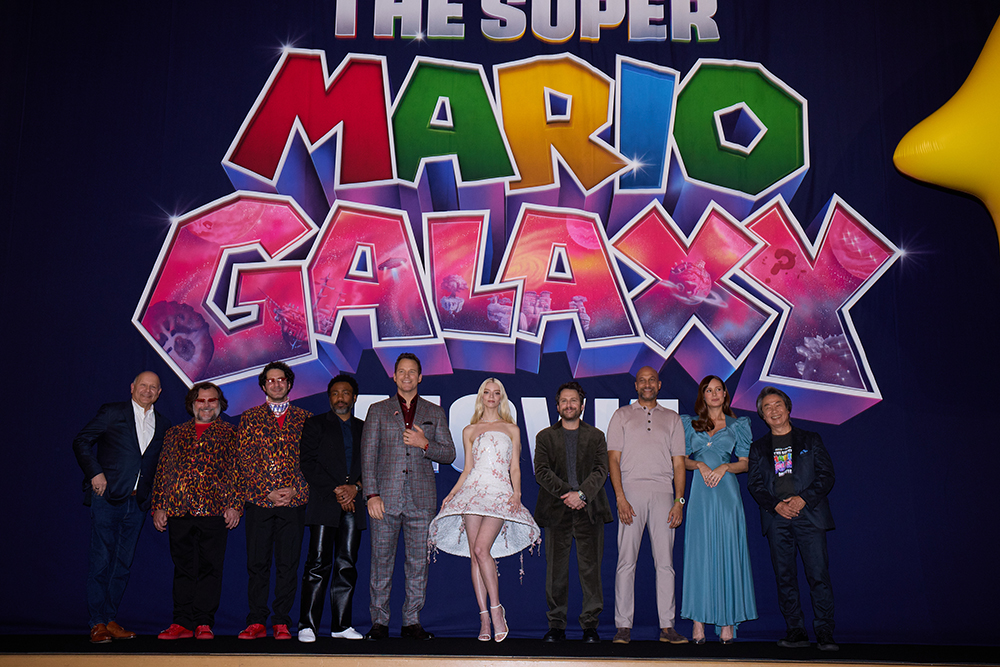
The historic Minamiza Theater in Kyoto, a venue deeply rooted in Japanese cultural heritage, transformed into a galaxy of its own on March 28, 2026, as Nintendo and Illumination unveiled The Super Mario Galaxy Movie in a dazzling Japanese premiere that felt as symbolic as it was spectacular. The choice of Kyoto was far from incidental: as the birthplace of Nintendo, the city embodies the legacy of a franchise that has defined generations of players, and seeing icons like Chris Pratt, Anya Taylor-Joy, Charlie Day, Jack Black, Keegan-Michael Key, Benny Safdie, and Donald Glover walking the red carpet in this historic setting created a rare fusion between Western blockbuster culture and Japanese creative heritage. Attendees described an atmosphere oscillating between reverence and excitement, with fans gathered outside the theater treating the event almost like a pilgrimage, celebrating not just a film but more than four decades of gaming history culminating in this ambitious interstellar chapter.
This premiere also served as a tangible reminder of how far the franchise has come since the monumental success of The Super Mario Bros. Movie (2023), which grossed over $1 billion worldwide and redefined expectations for video game adaptations. That success was not merely financial; it validated a creative partnership between Illumination and Nintendo that, according to producer Chris Meledandri and Nintendo legend Shigeru Miyamoto, is built on mutual trust and a shared vision of honoring the source material while expanding its narrative potential. As highlighted in the official press notes, this sequel was conceived as a natural evolution rather than a simple continuation, with Shigeru Miyamoto himself emphasizing that the choice of adapting Super Mario Galaxy was pivotal because of its scale and its status as a creative turning point in the gaming franchise . The result is a film that deliberately shifts from the grounded, almost nostalgic tone of the first installment to something far more expansive, both visually and emotionally.
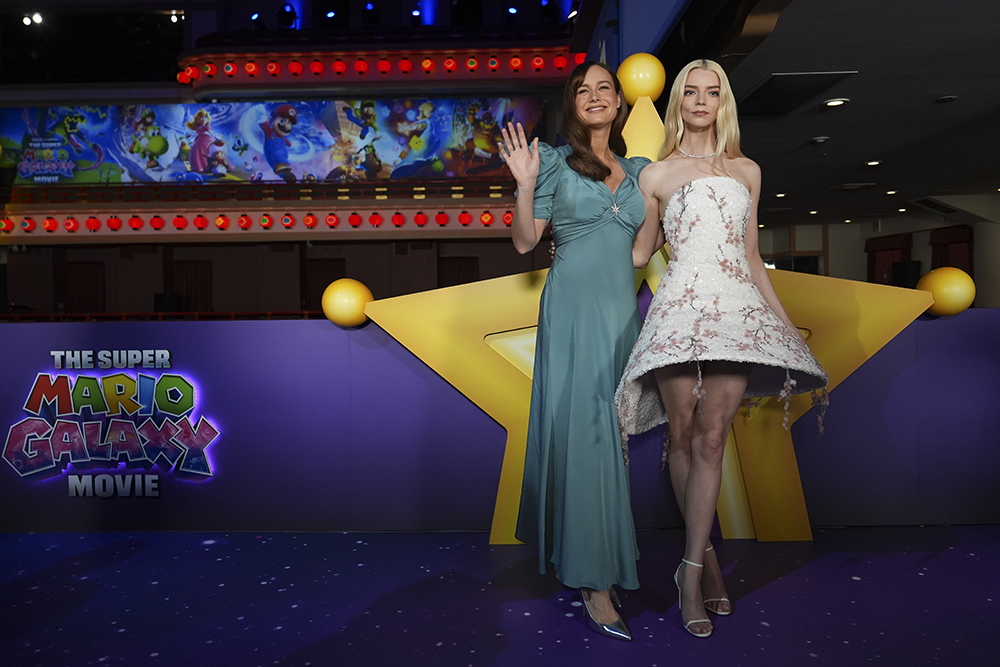
Directed once again by Aaron Horvath and Michael Jelenic, and written by Matthew Fogel, the film embraces its cosmic ambitions with a story that pushes Mario and Luigi far beyond the Mushroom Kingdom, diving into the mysterious past of Princess Peach while introducing audiences to new allies and formidable threats. This narrative expansion is not just about spectacle; it reflects a deliberate thematic evolution centered on family, identity, and belonging. According to Matthew Fogel, the sequel places greater emphasis on emotional connections, particularly the enduring bond between Mario and Luigi, a relationship that resonates deeply with audiences and mirrors the communal nature of Nintendo’s games . This thematic depth was evident in early reactions from attendees at the Kyoto premiere, many of whom noted how the film balances its larger-than-life scale with surprisingly intimate character moments.
Visually, The Super Mario Galaxy Movie represents a significant leap forward, thanks in large part to the work of Illumination Studios Paris, where the animation was completed in late 2025. The filmmakers faced the unique challenge of translating the distinctive gameplay mechanics of the original Super Mario Galaxy games—particularly their spherical worlds and shifting gravity—into a cinematic language that remains coherent and engaging. Aaron Horvath described this process as an opportunity to create a version of space that feels distinctly “Mario,” filled with vibrant nebulae and warm, inviting starfields rather than the cold emptiness traditionally associated with the cosmos . This creative decision is already being praised as one of the film’s defining strengths, offering a visual identity that is both faithful to the games and uniquely suited to the big screen.
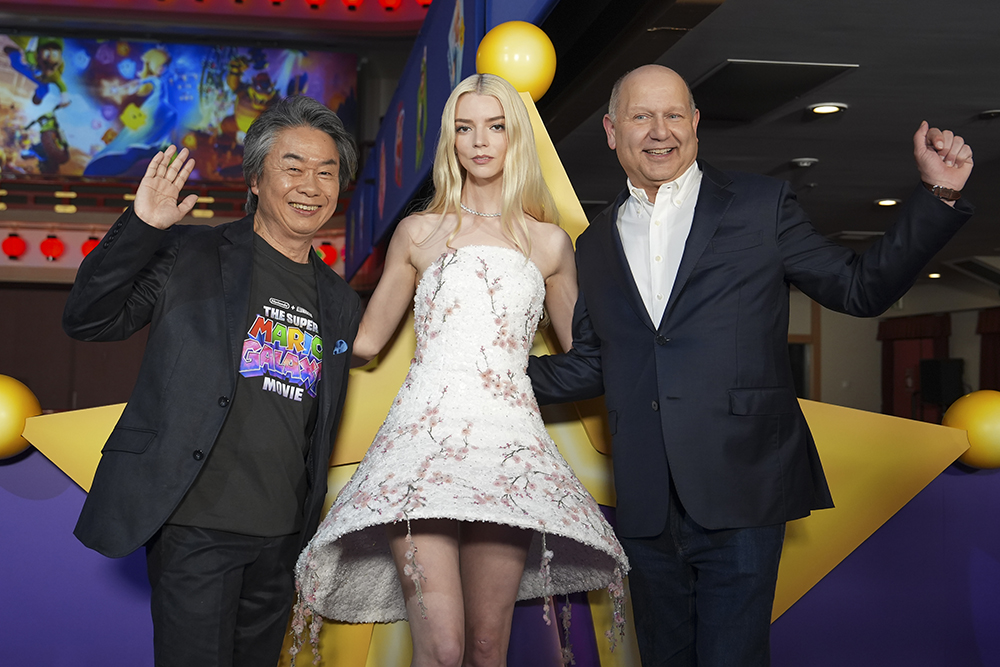
The cast, both returning and newly expanded, plays a crucial role in bringing this universe to life. Chris Pratt reprises his role as Mario with a performance that reportedly leans even more into the character’s emotional core, while Anya Taylor-Joy’s Princess Peach undergoes a more introspective journey, exploring her origins and vulnerabilities in ways that deepen her character beyond her established strength. Meanwhile, Jack Black’s Bowser continues to evolve, with the introduction of Bowser Jr., voiced by Benny Safdie, adding a compelling father-son dynamic that blends humor with genuine emotional stakes. The arrival of characters like Rosalina, voiced by Brie Larson, and Yoshi, brought to life by Donald Glover, further enriches the narrative, with each addition reflecting the filmmakers’ commitment to honoring the breadth of the Mario universe while introducing fresh perspectives.
Musically, the film also reaches new heights under the direction of composer Brian Tyler, who returns after his acclaimed work on the first film. This time, his score incorporates over 300 musical references from the Mario franchise, blending original compositions with iconic themes by Koji Kondo to create a soundscape that feels both nostalgic and grand in scale . Performed by a 70-piece orchestra, the music plays a crucial role in conveying the film’s epic scope, enhancing its emotional beats while reinforcing its connection to the games that inspired it.
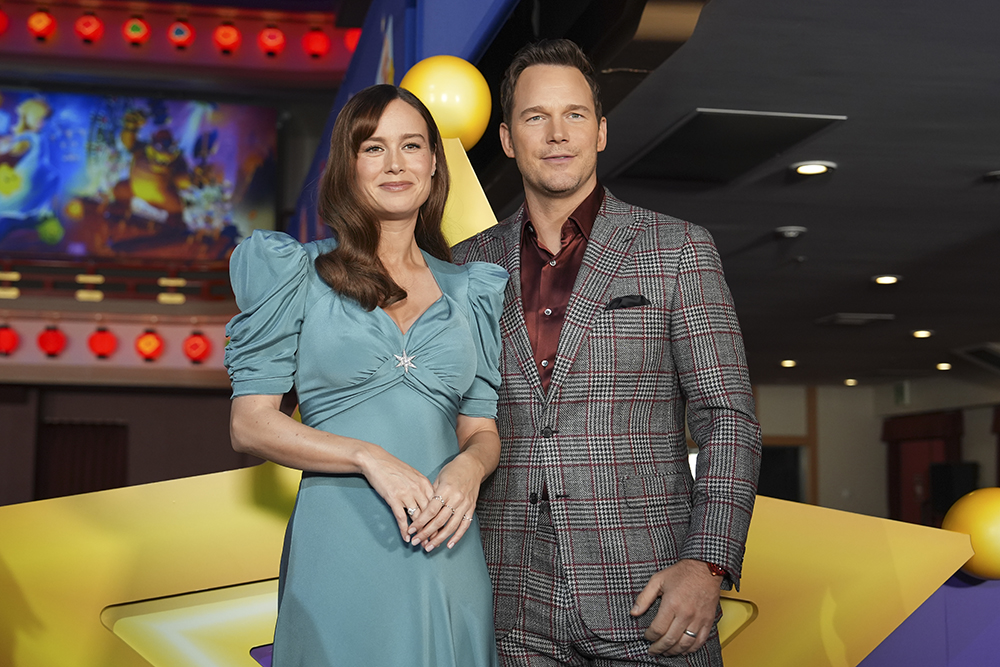
Beyond its artistic ambitions, the film is already shaping up to be a major commercial event, with projections suggesting a domestic opening exceeding $160 million over five days in the United States. Scheduled for release on April 1, 2026, by Universal Pictures, with a later debut in Japan on April 24, the film is poised to surpass its predecessor and further solidify Mario’s status as a cinematic powerhouse. This trajectory aligns with Nintendo’s broader strategy, as outlined by Shuntaro Furukawa, to expand its intellectual properties into new media following the success of its initial foray into film.
The Kyoto premiere of The Super Mario Galaxy Movie was more than just a launch event; it was a statement of intent. By bringing together Hollywood talent, Japanese creative heritage, and cutting-edge animation, the film embodies a unique cultural bridge that few franchises can achieve. As the lights dimmed inside the Minamiza Theater and audiences were transported into this cosmic adventure, it became clear that Mario’s journey is far from over—in fact, it may just be entering its most exciting phase yet.
Discover the official red carpet videos :
itw Aaron Horvath and Michael Jelenic (Directors)
itw Matthew Fogel (Writer)
itw Chris Pratt
itw Jack Black
itw Charlie Day
itw Brie Larson
itw Anya Taylor Joy
itw Chris Meledandri and Shigeru Miyamoto
itw Keegan Michael Key
itw Donald Glover
itw Benny Safdie
Synopsis :
No sooner have they settled into the Mushroom Kingdom than a mysterious call for help compels Mario and Luigi to return to action and delve into the shadowy depths of Princess Peach’s past. This mission will send our heroes and their new group of friends far from home on an intergalactic journey to discover new worlds where they’ll forge alliances that are, to say the least, unexpected.
The Super Mario Galaxy Movie
Directed by Aaron Horvath, Michael Jelenic
Written by Matthew Fogel
Based on Mario by Nintendo
Produced by Chris Meledandri, Shigeru Miyamoto
Starring Chris Pratt, Anya Taylor-Joy, Charlie Day, Jack Black, Keegan-Michael Key, Benny Safdie, Donald Glover, Brie Larson
Music by Brian Tyler
Production companies : Illumination, Nintendo
Distributed by Universal Pictures
Release date : April 1, 2026 (United States, France)
Running time : 98 minutes
Photos : Getty Images / Universal Pictures