
 English
Convention - Paris Manga & Sci-Fi Show 2026 : Dragon Striker Steals the Spotlight with a High-Energy First Look
By Mulder, Parc des expositions de Paris Nord Villepinte (Hall 7), 14 march 2026
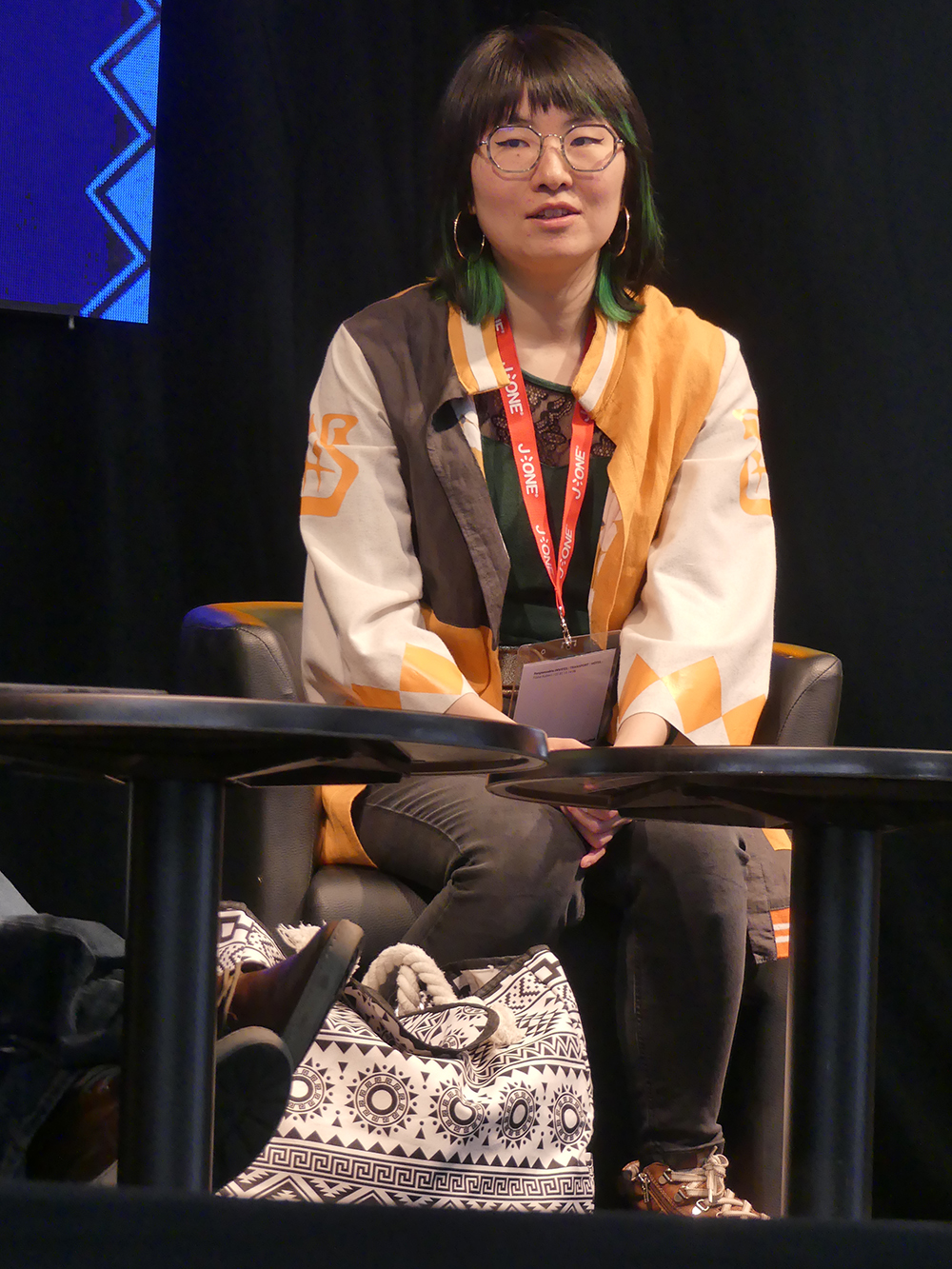
On March 14, 2026, at the Parc des Expositions de Paris Nord Villepinte, the Paris Manga & Sci-Fi Show 2026 offered one of its most compelling moments with an exclusive French presentation of Dragon Striker, a bold new original animated series from Disney+ and Chouette Studios, marking a significant milestone in the platform’s European animation strategy; in attendance were key creative figures including Sylvain Dos Santos, Charles Lefebvre, and Claire Sun, whose presence transformed the panel into something far more intimate than a standard promotional stop, as they not only unveiled early footage but also opened a rare window into the creative DNA of a project that has been quietly evolving since its initial announcement in 2022, drawing palpable enthusiasm from a crowd that sensed it was witnessing the birth of a potentially defining European anime-inspired series.
What makes Dragon Striker particularly fascinating is the clarity with which Sylvain Dos Santos articulated its origins and ambitions, describing a studio culture deeply rooted in a love for Japanese animation and manga, a passion that shaped not only this project but the identity of Chouette Studios itself, which today counts around 200 artists, including 75 dedicated animators; during the presentation, he candidly recalled that the series did not initially revolve around football at all, but rather began as a rugby-based concept set in an Arthurian-inspired universe titled “Ovalon,” before evolving—under both creative refinement and strategic direction from Disney EMEA producer Gerardo Orlando—into a more universally resonant concept that blends the global appeal of football with an original mythology, deliberately stepping away from inherited legends to construct a new narrative universe from scratch, a decision that now feels essential to the show’s identity and long-term potential.
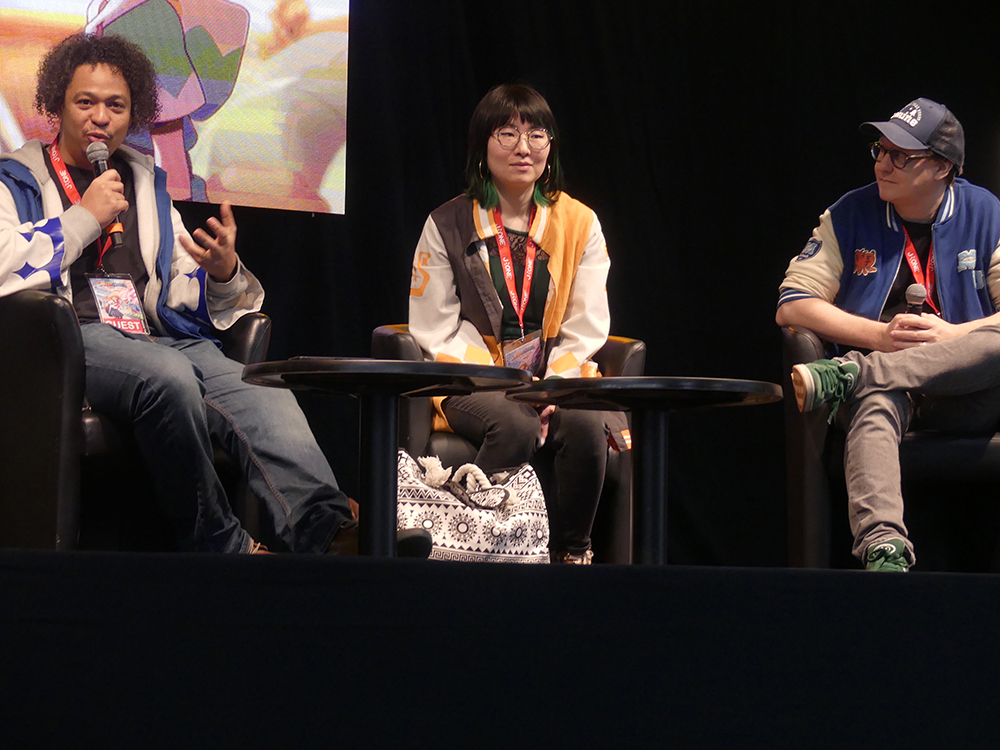
The premise itself is immediately striking, positioning Dragon Striker as a hybrid between sports drama and fantasy action, where five-player teams compete in a stylized version of football enhanced by supernatural abilities ranging from time-distorting force fields to spectral dragons within elaborate stadiums that reflect the identity of each team, an idea that resonated strongly during the sneak peek footage shown at the event, which showcased a frenetic visual rhythm reminiscent of Japanese action anime, not only in character design but in animation timing, camera movement, and dynamic effects; at the narrative core are two protagonists, Ssyelle, a goalkeeper already in control of her powers, and Key, an aspiring striker unaware of his latent abilities tied to a mysterious energy known as “tama,” itself linked to the legacy of his late mother, a celebrated player, adding an emotional undercurrent that suggests the series will balance spectacle with character-driven storytelling.
The influence of anime is not merely aesthetic but deeply embedded in the production methodology, as Charles Lefebvre explained with notable pride that several members of the team had previously worked on globally recognized series such as My Hero Academia and One Piece, bringing with them a philosophy that places significant creative responsibility in the hands of individual animators, allowing for a level of expressive freedom rarely seen in Western television animation, a point that was reinforced by the decision to collaborate with renowned composer Kevin Penkin, best known for his work on Made in Abyss, who recorded the score with an 80-piece orchestra in Japan, further anchoring the series within a cross-cultural creative exchange that blurs the line between European and Japanese animation traditions.
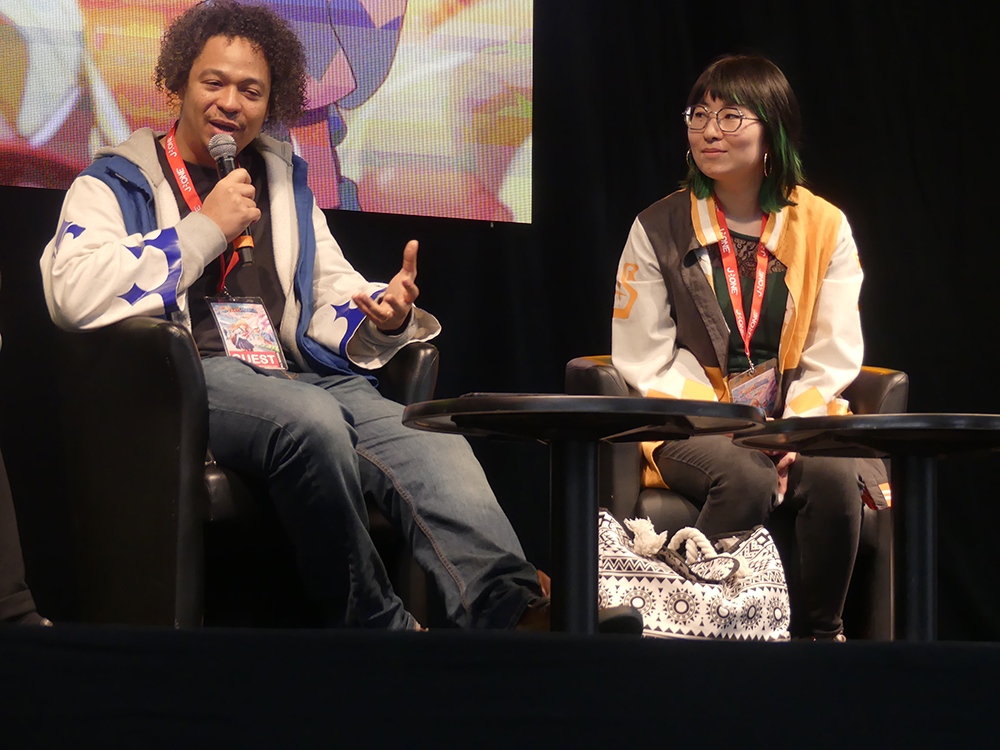
Visually, the series appears equally ambitious, with Claire Sun emphasizing a philosophy where narrative and design are inseparable, echoing the “show, don’t tell” approach that defines much of contemporary high-end animation, and this was evident in the detailed environments of Kal Asterock, a fictional world shaped by a mix of influences ranging from Final Fantasy IX and Chrono Trigger to real-world inspirations such as Rio de Janeiro, creating a setting that feels both fantastical and grounded, a duality that could prove essential in appealing to both anime enthusiasts and broader audiences discovering this style through Disney+.
Beyond the technical and artistic discussions, what truly defined this Paris Manga presentation was the palpable sense of creative passion and long-term vision shared by the team, as anecdotes about early development struggles, stylistic experimentation, and iterative storytelling choices painted a picture of a project that has been carefully nurtured rather than rushed to market, reflecting a broader shift within Disney’s international strategy, where localized productions are increasingly positioned as global offerings capable of competing with established anime studios, and if the early footage and creative insights presented in Villepinte are any indication, Dragon Striker may well become a landmark example of how European animation can successfully reinterpret and contribute to a genre historically dominated by Japan, all while carving out its own identity in the ever-evolving landscape of streaming content.
You can discover our photos in our Flickr page
Photos : Boris Colletier / Mulderville