

WonderCon 2026 : Cosplay Takes Over Anaheim in a Living Celebration of Pop Culture
Friday 27 March, 1:02 PM PT Anaheim, Convention center 2026-03-27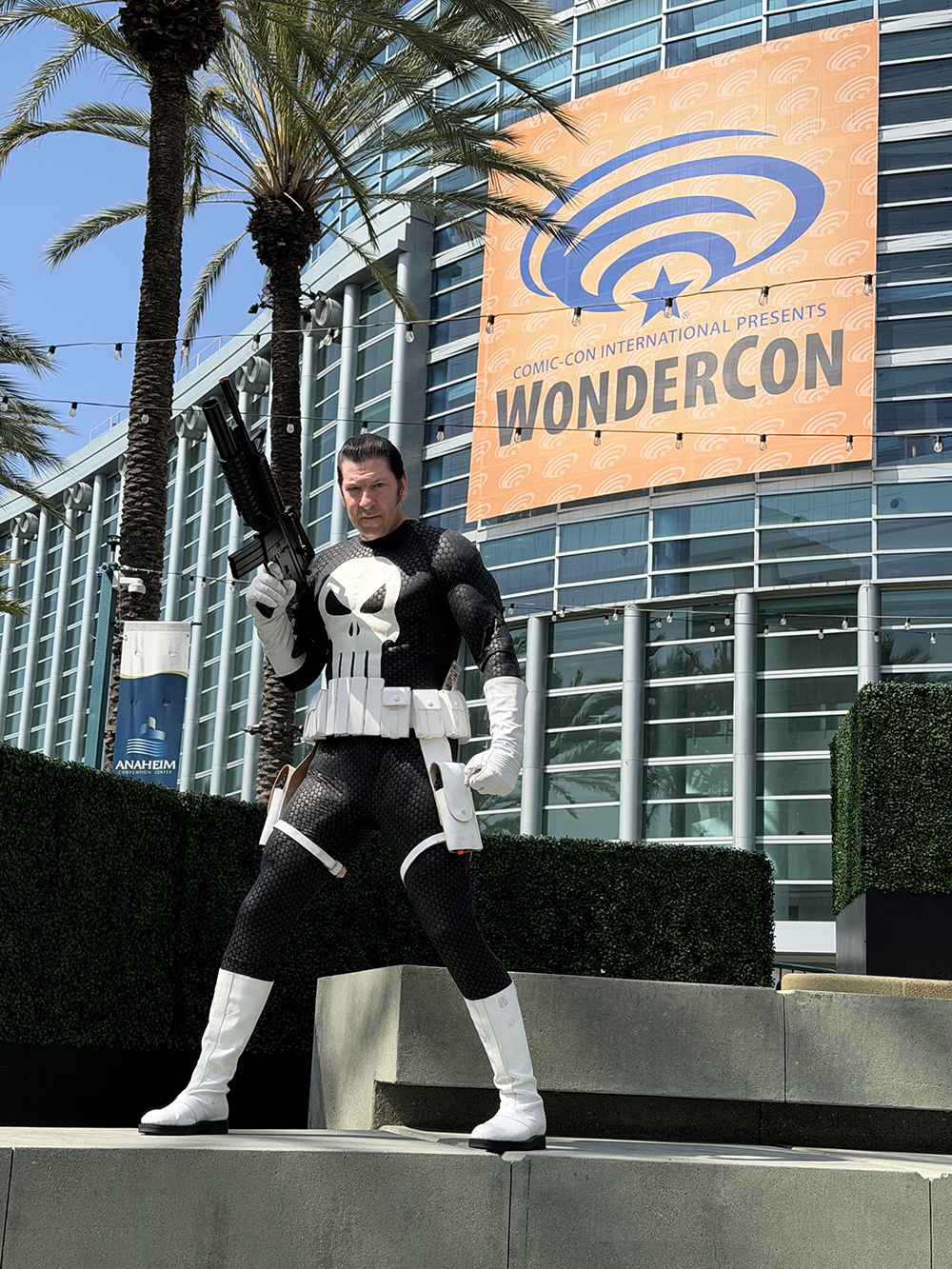
Held from March 27 to March 29, 2026, at the Anaheim Convention Center, WonderCon once again transformed Southern California into a sprawling playground of imagination where cosplay stood not just as a side attraction but as one of the defining pillars of the event, drawing tens of thousands of fans into a vibrant ecosystem of creativity, performance, and community, as the convention organized by Comic-Con International and rooted in a legacy dating back to 1987 continues to evolve into a space where costumes are no longer simply tributes but fully realized artistic statements that blur the lines between fandom, craftsmanship, and live performance.
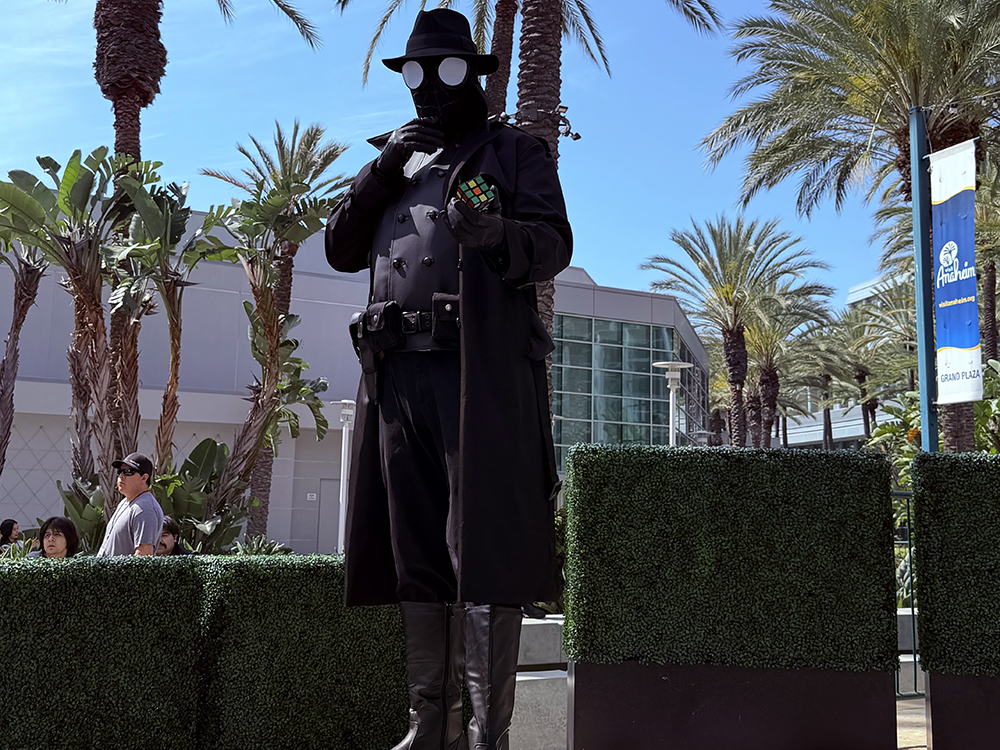
What immediately stood out on-site this year, particularly around the iconic palm-lined esplanade of the Anaheim Convention Center, was how cosplay has increasingly embraced cinematic staging, with participants carefully selecting outdoor backdrops to enhance the illusion of their characters, as seen with a striking Punisher-inspired cosplayer posed beneath the massive WonderCon banner, embodying the character’s imposing presence with a level of physicality and detail that speaks to the growing influence of screen-accurate costuming, while just a few steps away, a noir-inspired figure dressed in a dark trench coat and mask demonstrated how cosplay at WonderCon is no longer limited to mainstream superheroes but thrives equally on reinterpretation and hybrid influences, often mixing genres and eras into something uniquely personal.
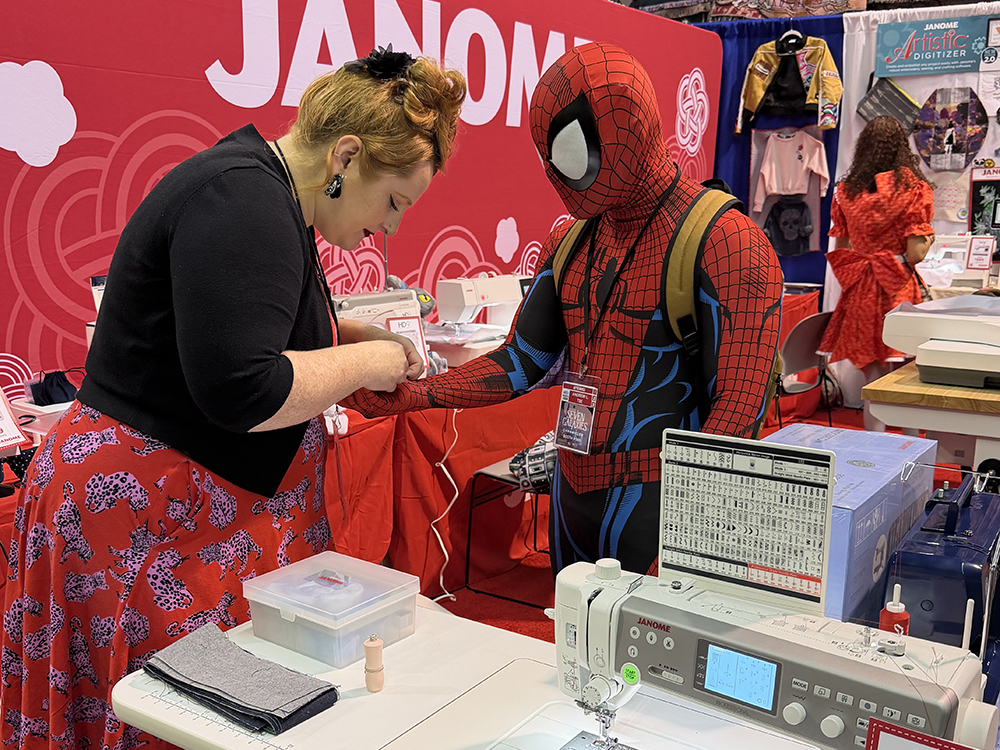
Inside the convention halls, the experience shifted from spectacle to craftsmanship, and one particularly revealing moment came at a sewing booth where a Spider-Man cosplayer was seen making last-minute adjustments to their suit, a reminder that behind every polished costume lies hours of meticulous work, and this hands-on culture is deeply embedded in WonderCon’s DNA, where artists, makers, and fans coexist in a shared creative loop, reinforcing the idea that cosplay is as much about process as it is about presentation, a philosophy echoed by the convention’s long-standing emphasis on artists’ alleys, workshops, and community-driven panels that celebrate the art of creation as much as the final result.
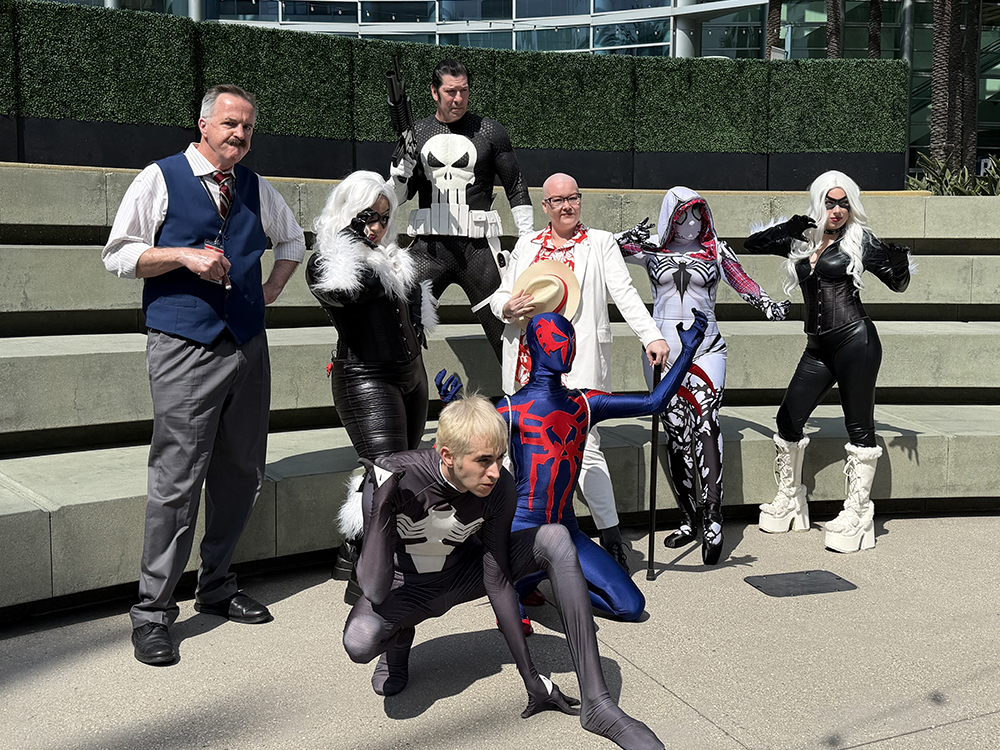
The social dimension of cosplay was equally impossible to ignore, especially in large group gatherings where entire universes came to life in a single frame, such as a lineup featuring multiple Spider-Man variants alongside characters clearly inspired by Marvel’s darker corners, creating a layered tableau that felt almost like a live-action crossover event, and these spontaneous groupings often organized informally through social media or simply formed on the spot highlight how cosplay at WonderCon functions as a shared language, instantly connecting strangers through mutual recognition and enthusiasm, something that has become even more central as conventions continue to attract increasingly diverse audiences from around the world.
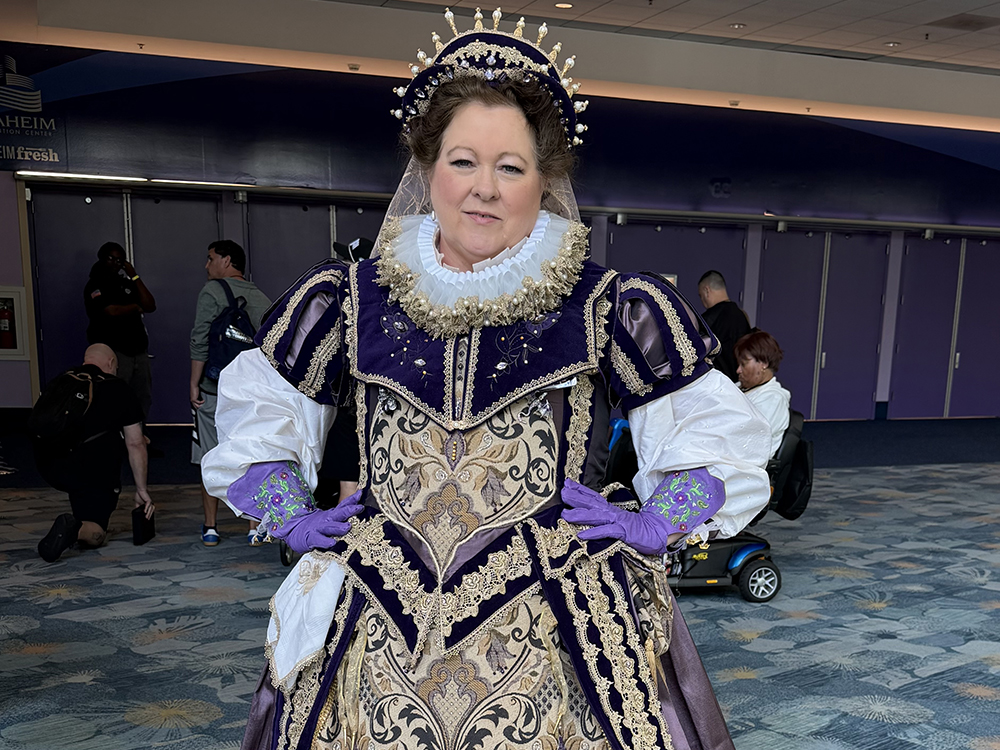
Beyond superheroes, the diversity of genres on display reinforced WonderCon’s identity as a truly multi-genre convention, with elaborate historical and fantasy costumes sharing the spotlight with modern pop culture icons, including a richly detailed Renaissance-style gown that showcased the level of textile artistry present at the event, as well as fantasy armor builds and angelic designs complete with expansive wings that transformed the convention floor into something resembling a living fantasy exhibition, while outside, fairytale-inspired cosplayers reminiscent of classic princess archetype posed beneath the California sun, creating a striking contrast between timeless storytelling and the modern setting of Anaheim, a visual juxtaposition that perfectly encapsulates the spirit of WonderCon itself.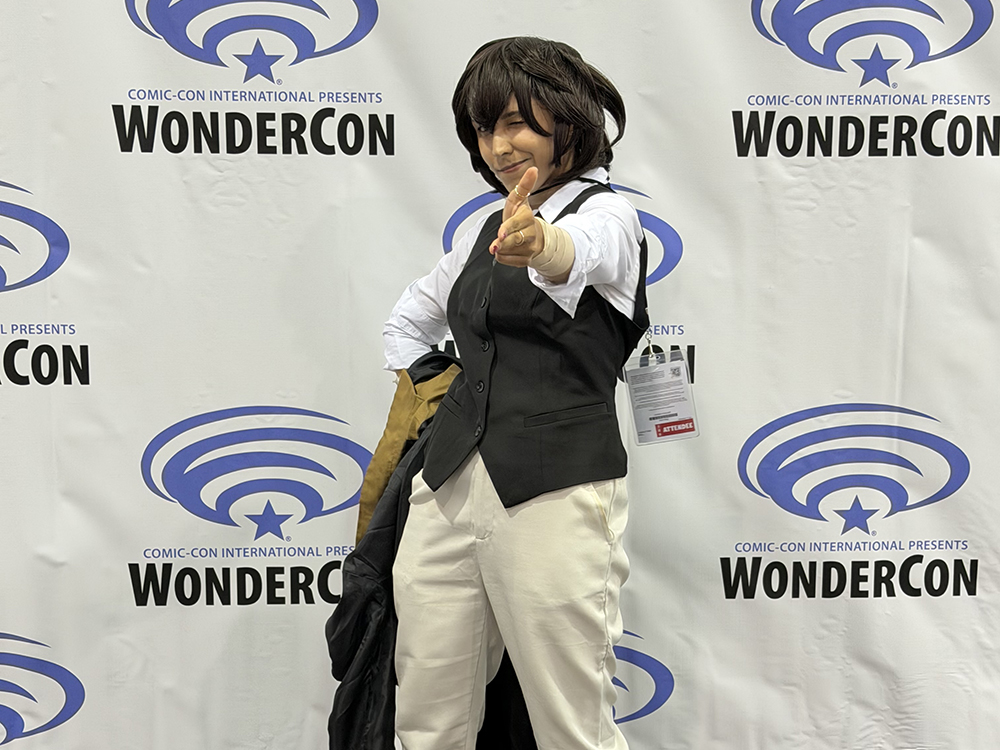
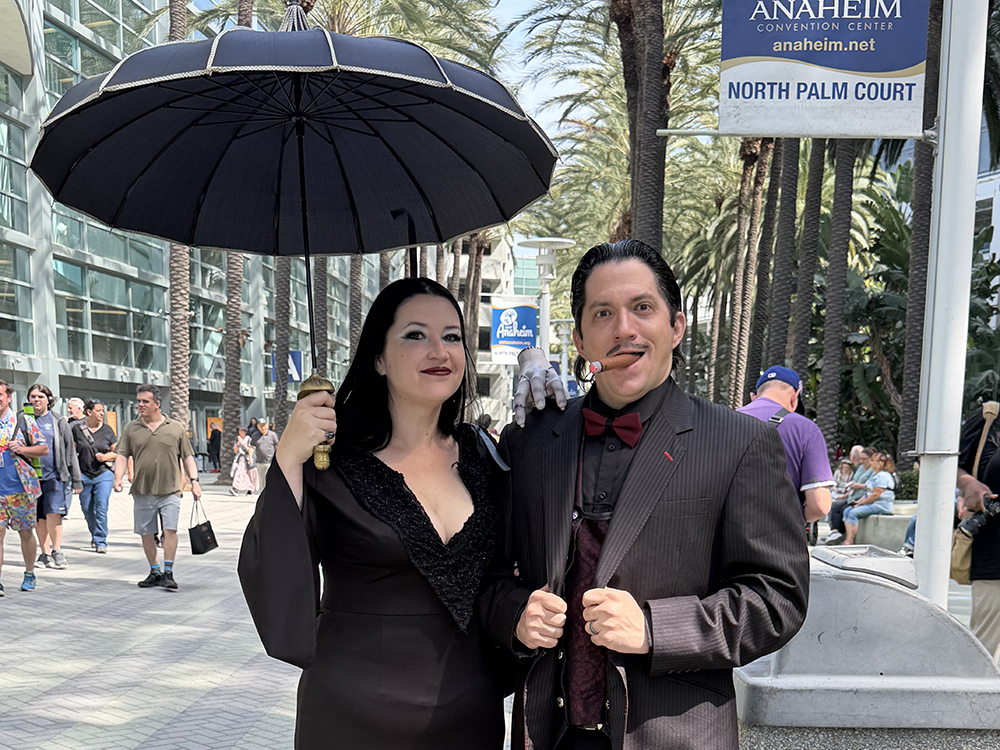
There was also a theatricality to many of the performances that went beyond static posing, particularly in duos and character-driven interactions, where cosplayers adopted mannerisms, gestures, and even improvised scenes to bring their characters to life, such as a gothic couple channeling vintage horror elegance with subtle but effective body language, or a costumed duo blending humor and charisma in a way that drew small crowds of onlookers, reinforcing the idea that cosplay is as much about performance art as it is about costume design, a concept that reaches its peak during the convention’s official Masquerade competition, held annually on Saturday night and celebrating both craftsmanship and stage presence in equal measure.
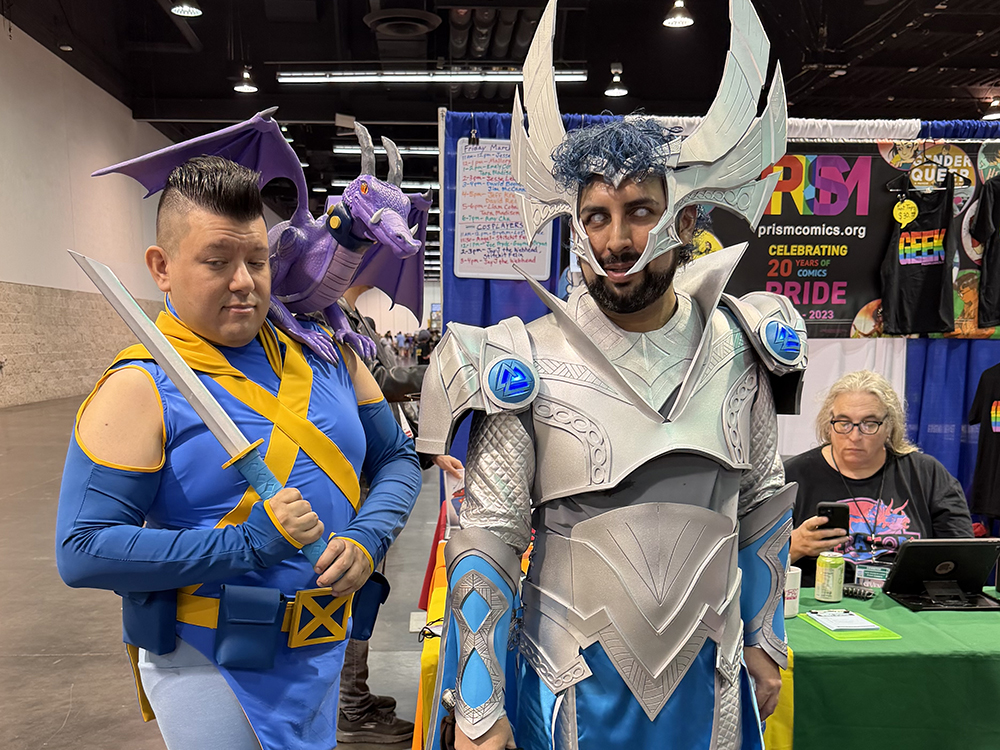
What makes WonderCon particularly unique in the cosplay landscape is its balance between scale and accessibility, as unlike the overwhelming intensity of San Diego Comic-Con, this event maintains a slightly more relaxed atmosphere that allows for more organic interactions, whether it’s stopping a cosplayer for a photo near the convention fountain or engaging in conversations about techniques, materials, and inspirations, and this accessibility is a crucial factor in why cosplay continues to thrive here, creating an environment where newcomers feel just as welcome as seasoned veterans, and where experimentation is encouraged rather than overshadowed.
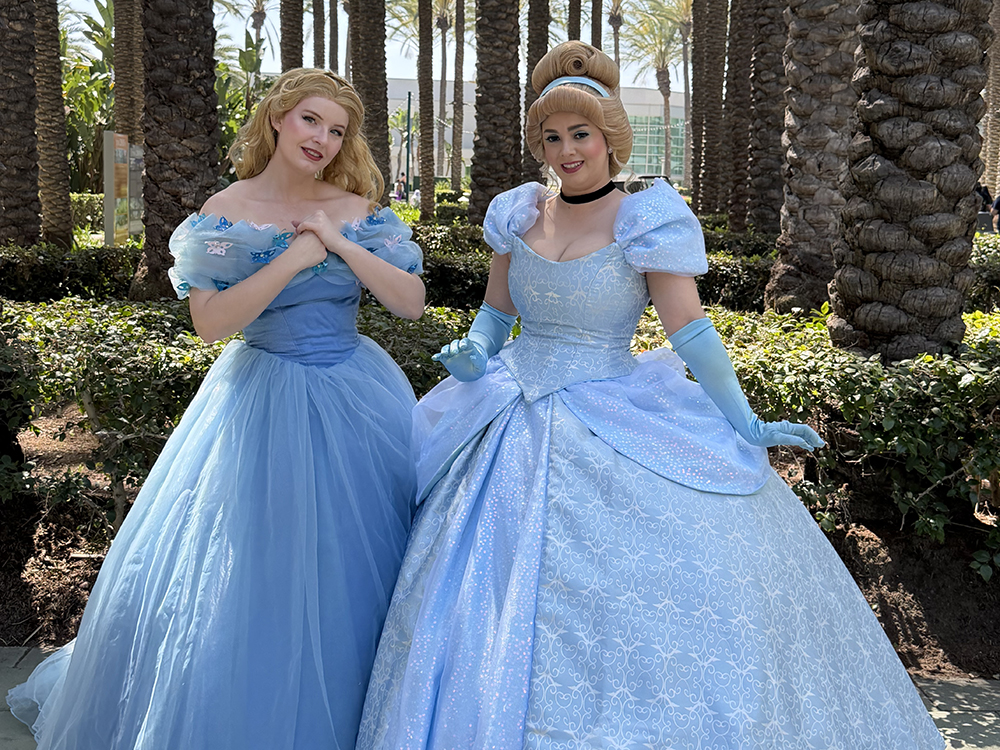
Cosplay at WonderCon 2026 was not just about accuracy or spectacle, but about storytelling in its most immediate and human form, where every costume carried a narrative, every pose hinted at a larger world, and every interaction contributed to a collective experience that defines what modern fan culture has become, proving once again that in Anaheim, for one weekend each year, fiction doesn’t just inspire reality—it temporarily replaces it.
Photos : Copyright Barbara Henderson