

WonderCon 2026 : Day One sets the tone with creator-driven panels, packed halls, and a strong comics-first atmosphere
Friday 27 March, 10:50 AM PT Anaheim, Convention center 2026-03-27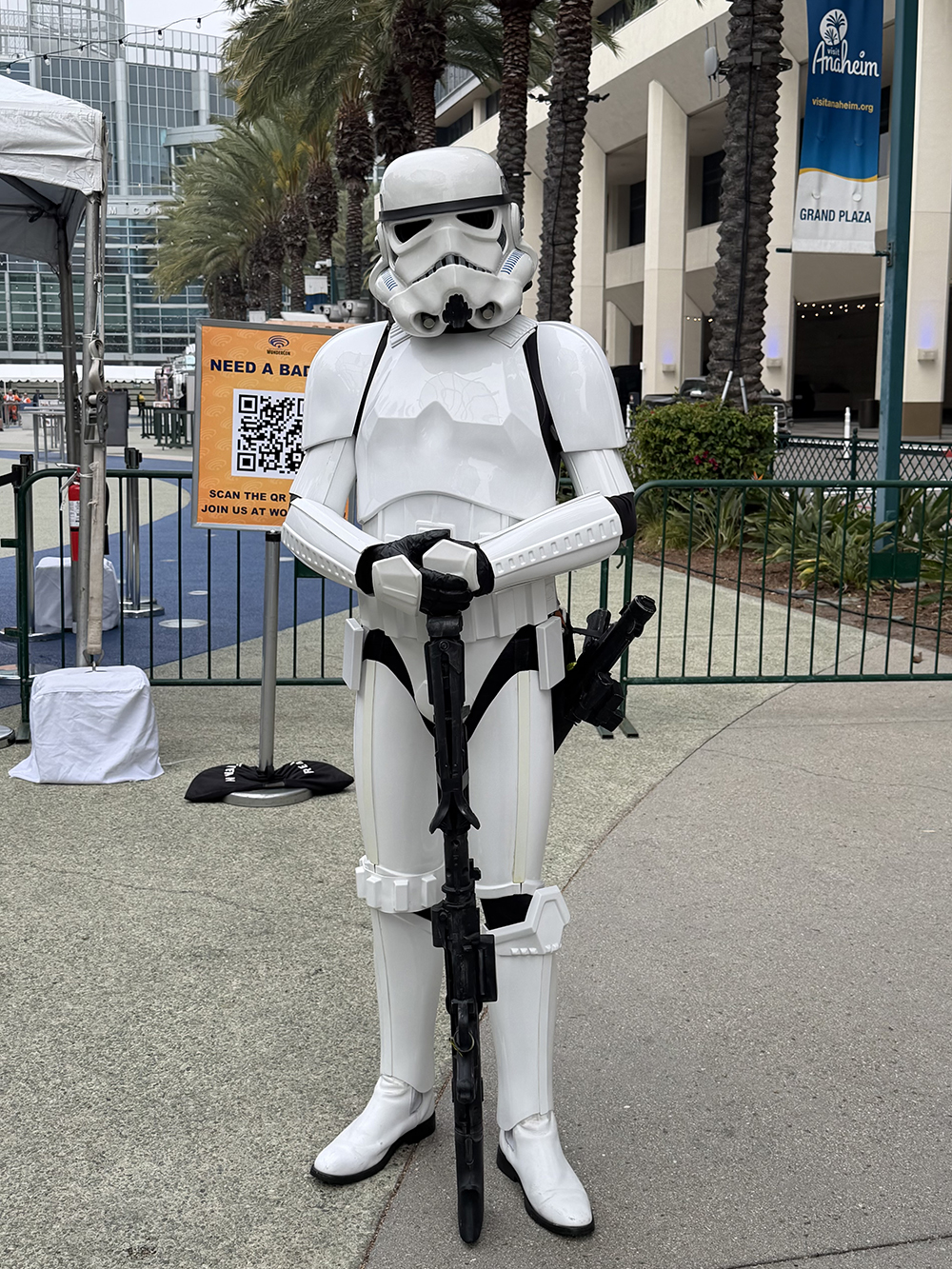
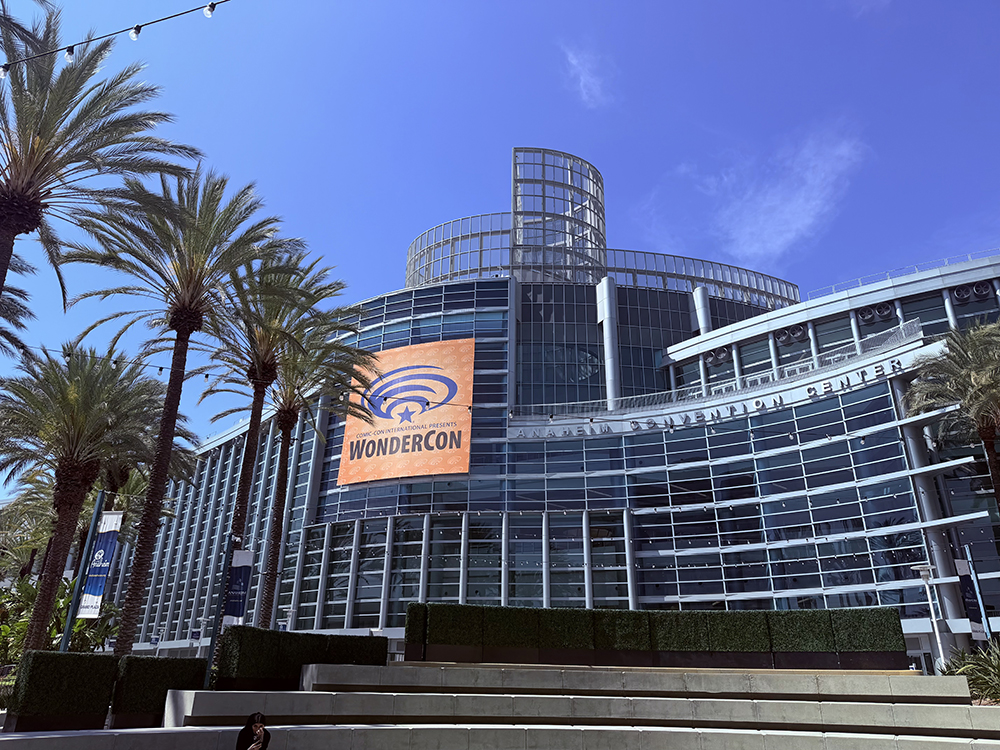
The first day of WonderCon 2026 opened on Friday, March 27 at the Anaheim Convention Center, immediately confirming the particular identity of this convention within the Comic-Con International family: smaller than San Diego Comic-Con, but often more focused, more accessible, and surprisingly dense in content. From the moment the doors opened at 11:30 a.m., the exhibit hall quickly filled with fans, collectors, cosplayers, and professionals, all moving through more than 400,000 square feet of exhibitors, artists, and studios, a scale that still makes WonderCon one of the major pop-culture gatherings on the West Coast despite its more relaxed reputation. According to official information from Comic-Con International, the show once again featured hundreds of exhibitors, signings, games, portfolio reviews, and a full programming slate mixing comics, television, film, animation, and gaming, which explains why the first day always feels like a compressed version of an entire convention weekend.
One of the most noticeable impressions during Day One was the strong emphasis on comic creators rather than blockbuster studio marketing, something longtime attendees often point out as the real strength of WonderCon. This year’s guest list included Felicia Day, Scott Snyder, and Joshua Williamson, names that immediately attracted long lines at signing tables and creator spotlights, with several panels centered on storytelling, publishing, and world-building rather than promotional hype. This creator-driven atmosphere gave the first day a tone closer to a professional convention than a fan expo, with many discussions about writing, ethics, and narrative craft, including programming such as “The Hero’s Journey & Journalistic Integrity,” a panel exploring the relationship between storytelling traditions and modern media culture. These kinds of sessions, which would probably be overshadowed at San Diego Comic-Con, often become highlights at WonderCon because of the closer interaction between guests and audience.
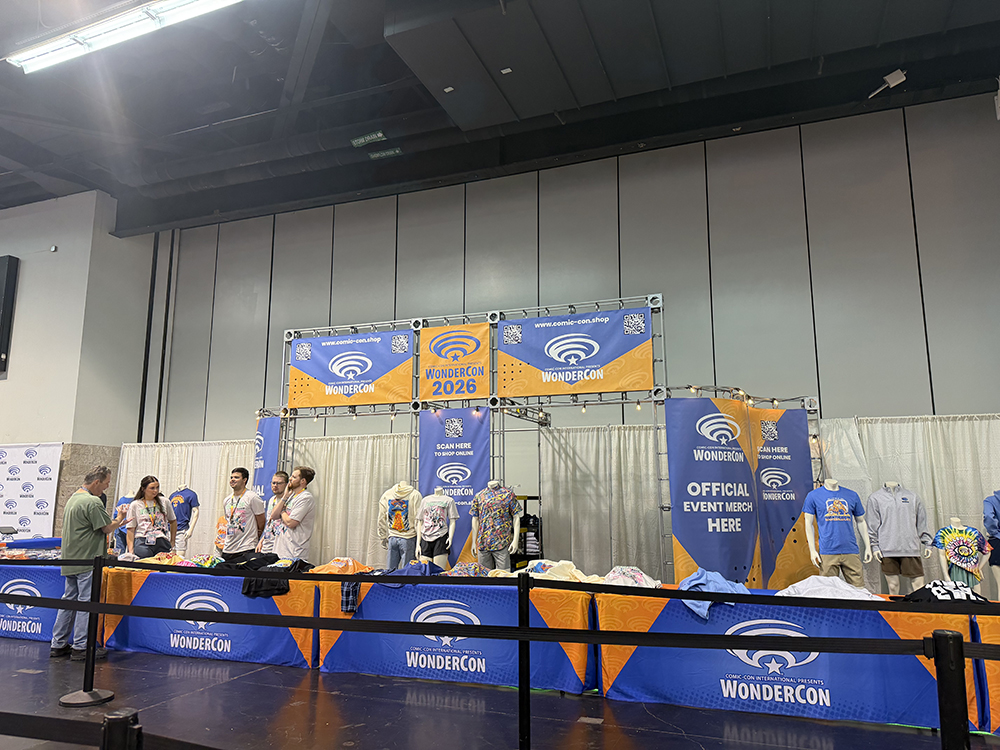
Walking through the exhibit hall on Day One also revealed another recurring anecdotal reality of WonderCon: the crowd tends to be heavily composed of collectors and artists rather than casual visitors. Artists’ Alley was busy almost immediately, with fans lining up not only for autographs but for commissions, sketches, and limited prints, something that many professionals consider easier to do here than at larger conventions where celebrity panels dominate the schedule. Several attendees online noted that tickets for signings and small-room panels were disappearing quickly in the morning, confirming that the convention still rewards those who arrive early and plan their day carefully, especially when popular creators are involved. Even without the massive studio booths seen at San Diego Comic-Con, the density of activity makes the first day feel constantly in motion, with multiple panels running simultaneously and autograph sessions filling up within minutes.
Cosplay also played a major role on the opening day, with the usual mix of comic characters, anime costumes, and film franchises appearing throughout the convention floor, reinforcing the multi-genre identity that has defined WonderCon since its origins in the late 1980s. Unlike larger conventions, where cosplay sometimes feels secondary to marketing events, here it remains part of the core experience, especially because the layout of the Anaheim Convention Center allows fans to move easily between panels, photo areas, and the exhibit hall. Several observers remarked that the first day already showed the kind of variety that makes WonderCon unique: one moment you could attend a writing panel, the next browse rare comics, and then end up watching a live demonstration or creator interview, all within the same hour. This balance between industry presence and fan culture has been part of the convention’s identity since it became part of the Comic-Con International family, and Day One 2026 clearly continued that tradition.
What made this first day particularly interesting compared to previous years was the overall feeling that WonderCon is increasingly positioning itself as the place where conversations happen rather than where announcements explode. While there were still previews, signings, and fan-favorite guests, the emphasis on discussion panels, creator spotlights, and smaller-scale interactions gave the opening day a more intimate tone than the blockbuster-driven events fans might expect from other conventions. For many attendees, that is precisely the appeal: Day One felt less like a media spectacle and more like a celebration of the people who actually make the stories, whether they are writers, artists, or independent creators. If the rest of the weekend follows the same rhythm, WonderCon 2026 may once again prove that a convention does not need the biggest announcements to deliver one of the most satisfying fan experiences of the year.
Photos : Copyright Barbara Henderson