

Cinémathèque française 2026: John Badham Reflects on His Career, Hollywood, and the Legacy of His Films
Thursday 19 March, 7:00 PM PT Comté de Los Angeles 2026-03-19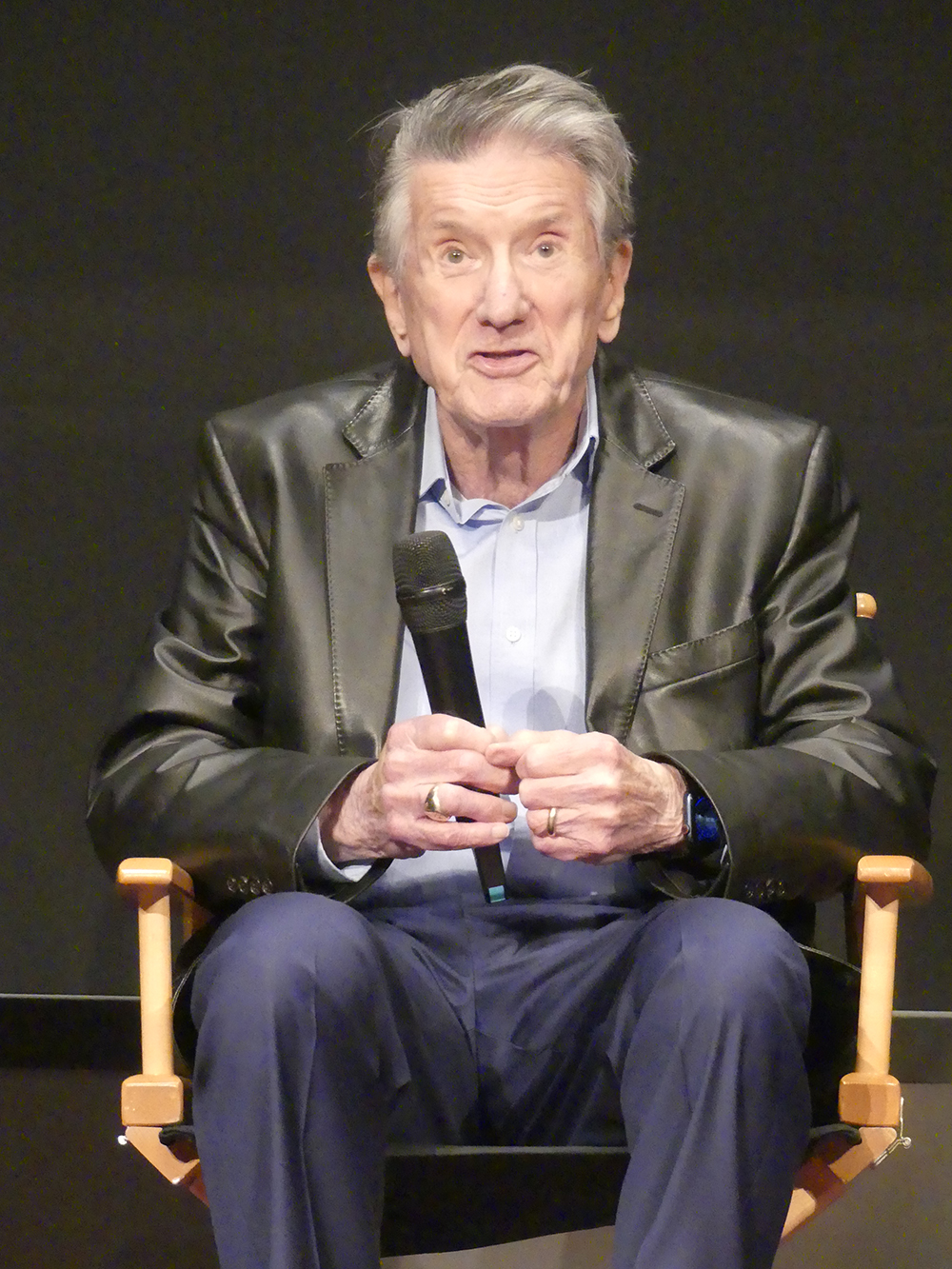
It was within the prestigious setting of the 2026 Cinémathèque française Festival that we had the opportunity to discuss with John Badham, a key figure in American cinema and the director behind a filmography that is both widely popular and strikingly visionary. As a guest of honor at this thirteenth edition, he granted us an interview, reflecting with generosity on his career, his creative choices, and the remarkable modern relevance of his films, which resonate today in ways perhaps even stronger than when they were first released.
Q : You are being honored at the Cinémathèque française festival few days ago. How does it feel to see your films revisited today, especially in a place so closely associated with film history ?
John Badham : It's wonderful to actually be able to be at the Cinémathèque for this wonderful event and to get to see some of my favorite movies along with other people.
Q : The selection shown here spans from Saturday Night Fever to Nick of Time. When you look back at your career, do you see a clear evolution, or does it feel more like a series of unexpected turns ?
John Badham : I see a lot of effort to try to tell stories better and more skillfully, learning from my mistakes of earlier, trying to make things better. The beginning shows lots of enthusiasm, and more skill comes along with practice.
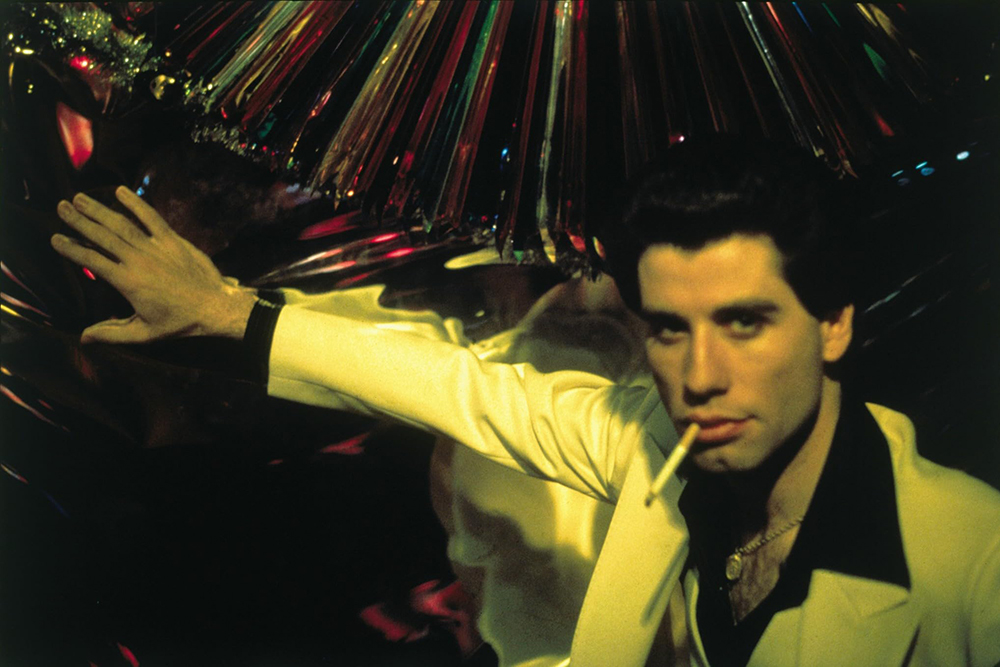
Q : Many of your films seem very connected to the spirit of their time. Was that something you consciously tried to do, or did it happen naturally through the stories you chose ?
John Badham : It happened because of my interest in the subject matter of the stories that were chosen. My interest in the subject matter about youth growing up in a world where they're frightened of going into the world that they're coming up against in Saturday Night Fever. And then the modern world of all the computers and what that suddenly means to us in terms of the danger of technology starting to take over the world.
Q : The festival presents you as a filmmaker who captured the pulse of America from the late 70s to the mid-90s. Do you agree with that description ?
John Badham : It sounds okay to me. I don't have any problem with that.
Q : You started in television before moving into cinema. What did television teach you that stayed with you throughout your film career ?
John Badham : Well, one thing about shooting television is you learn how to shoot very quickly and make decisions very quickly and solve problems, because you have to be much more inventive. In film, you have lots of time to make different choices, to try different ideas, and in television you have to get it right the first time. And do it quickly, too.
Q : You replaced John G. Avildsen as director on Saturday Night Fever. Did you feel pressure stepping into a project that was already in motion ?
John Badham : I did, but there again, that's the beauty of television that allowed me to take a script that I absolutely loved. That was the key thing to it. I loved what we were working on and knew what decisions had to be made and what we could use that John had already done or needed to be done in a different way. So we had to cast the movie. We had to find the locations. Many things were just kind of decisions that needed to be made freshly. So that was quite a difficult time, but in two and a half weeks we were able to put it together again thanks to working in television movies.
Q : When you made Saturday Night Fever, did you realize it would become such a cultural landmark ?
John Badham : Never did I think that in my life. It was just the furthest thing from my mind. I thought we were making a film that was a subject that was enjoyable and fun, but I never thought that we would touch so many hearts and so many minds.
Q : The film is often remembered for the music and the dancing, but it’s actually quite dark. Was it important for you to keep that social realism ?
John Badham : The thing that appealed to me was the dark part. That was the part. If there is somebody that I owe thanks to, it's Martin Scorsese and Mean Streets. Because I saw the movie as it could be a continuation of Mean Streets but with the music added on top of it as a way to get out of that world, a way to get away from the darkness.
Q : How did your collaboration with John Travolta shape the film, and did you immediately see his star potential ?
John Badham : Well, you could tell right away how talented John Travolta was. And thank goodness for the movie, he had a brilliant understanding of the character. And part of my big job was not to get in his way, but to get out of his way, to give him the freedom to do what he knew best how to do.
Q : Looking back, what do you think Saturday Night Fever says about America in the late 1970s ?
John Badham : I honestly don't know, to be quite honest with you. I just know the story of the world that we were creating, and only afterwards did I start to understand maybe deeper what it might have meant. I'm sorry I can't give you a good answer.
Q : WarGames feels incredibly relevant today, especially with artificial intelligence and cyber warfare. Did you realize at the time how prophetic the film might become ?
John Badham : No, we actually didn't realize that we were looking so far into the future and the reality of what might be happening. But it definitely was scary enough because even at that point in the early 80s, we understood the power of the coming computer and what it was able to do, even though we were thinking that in the future it was going to be even more powerful and computers were going to be taking over. So you were seeing the first early hints of AI in this film, as the computers started to act a lot like a human mind.
Q : How much research did you and the writers do about computers and hacking back then ?
John Badham : Well, the writers Walter F. Parkes and Lawrence Lasker were very smart young Yale graduates, where I also graduated from Yale, and I knew that they had done great research and had a very inventive story here. So I was able to help in sharpening the storytelling a little bit, but the basic plot and drive of it came from the two writers.
Q : Were studios worried that audiences wouldn’t understand such a technical subject ?
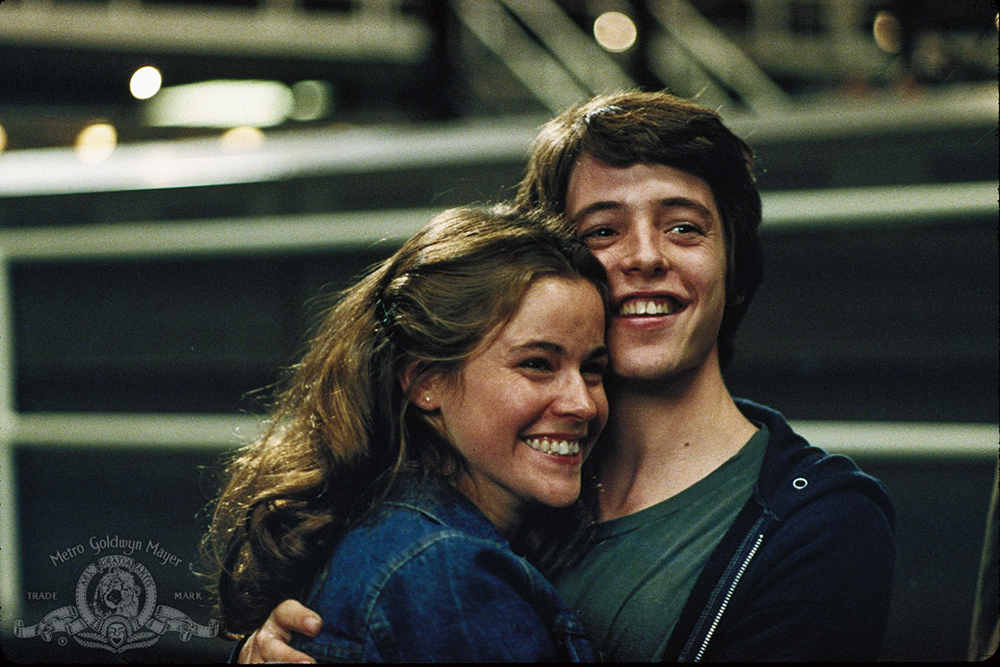
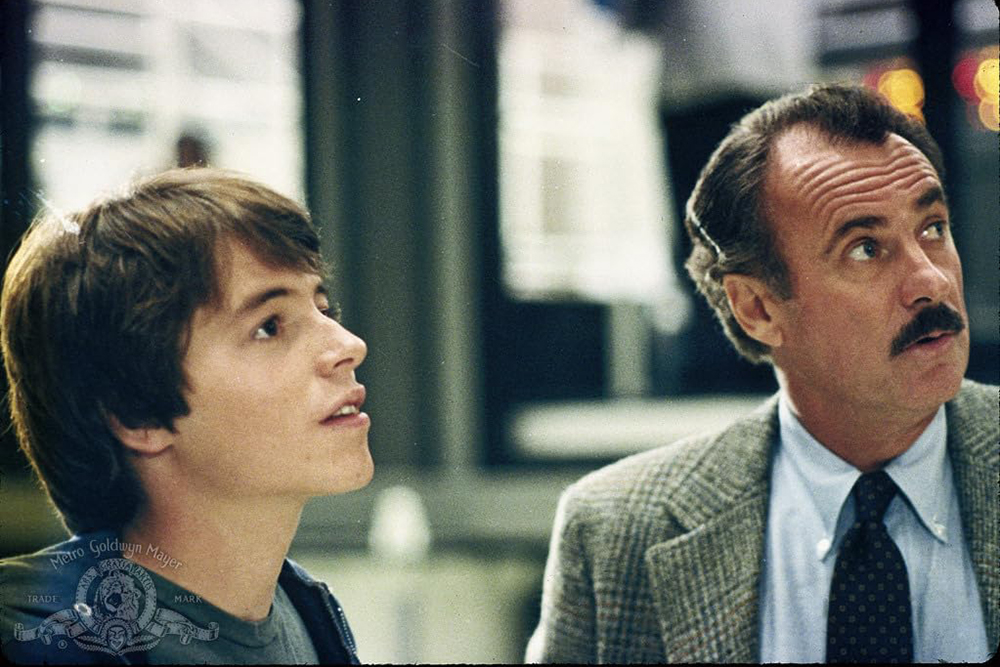
John Badham : That was one of the virtues of me coming to it as a fairly innocent person who didn't know a lot about computers, but I did know that if I didn't make it understandable to the audience, we would fail. And so I had to make sure that we made things simple enough that people could understand. So when Matthew Broderick is trying to connect to the computer, I didn't let them go through all the many steps that you would have to go through to link two computers up, but simplified it considerably, or the movie would be two days long.
Q : If you were making WarGames today, what would you change ?
John Badham : Well, we would have to update all the technology. And do things quite differently because we have learned so much about technology and it has advanced so much from the very primitive state. And as you know, they're saying that the computers that flew the first rocket ships to the moon were powered by computers that today my iPhone would have done the same job.
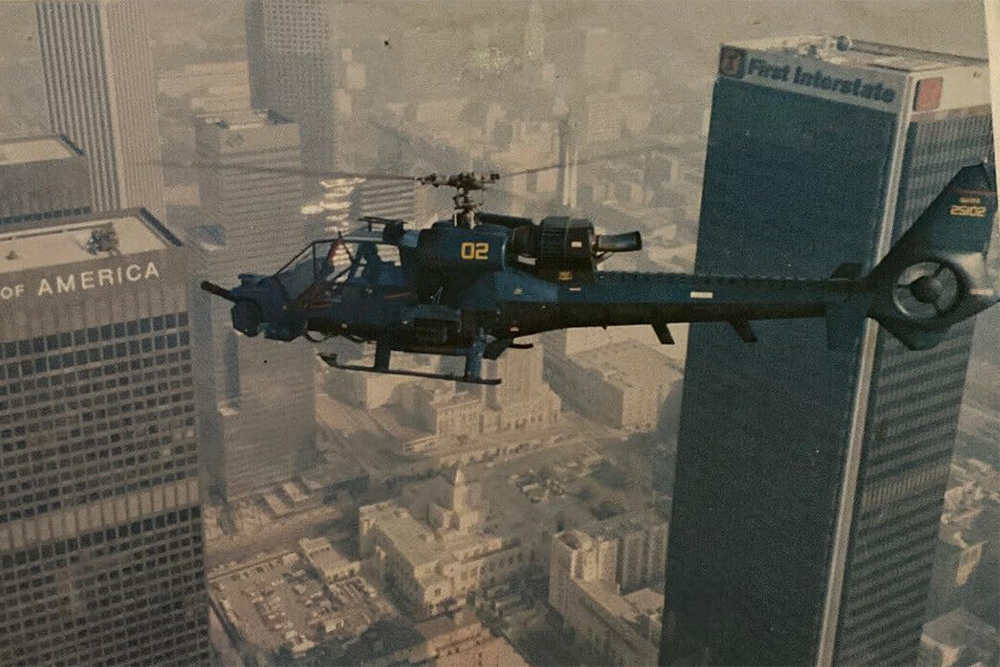
Q : The helicopter itself became a character in the film. How important was it for you to make technology feel alive on screen ?
John Badham : It was very important to make this a believable character, and as you say, a character in the film, with a frightening appearance and a frightening ability to control people. I mean today, if we modernize this, we would now be doing this with drones.
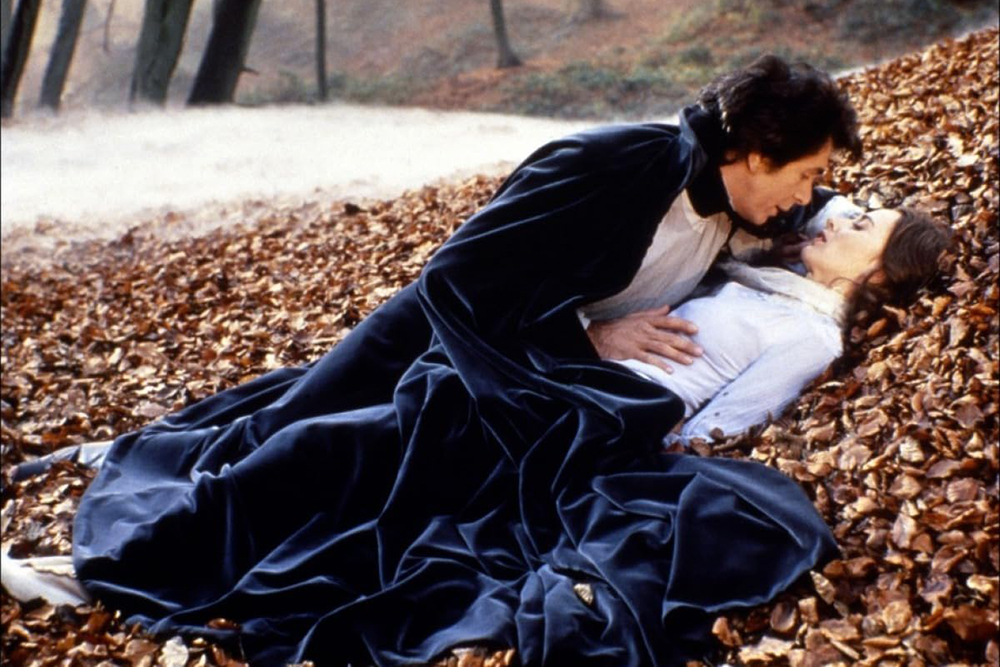
Q : Your Dracula is very different from previous versions. You approached it almost like a romantic tragedy. What attracted you to that angle ?
John Badham : The whole key to our Dracula is the main character played by Frank Langella. As this actor, who is such a handsome, elegant person, brings a whole different romantic quality to it, even though he represents pure evil. It comes in a very attractive package, which is the danger of much of our world, that we're attracted to things that look really great fun and very romantic but actually are very dangerous. We're talking about things like gambling and alcohol and drugs.
Q : You’ve worked in many genres — horror, comedy, action, drama, science fiction. Do you enjoy switching styles, or is it something producers pushed you toward ?
John Badham : I like to change genres. I think it's very good for my creativity. If I were doing the same movie over and over again, that would get boring and be tiring. A director like Alfred Hitchcock can do the same kind of movie over and over again, similar genre, and does it brilliantly. I think I would have burned out long before he did. I love the idea of starting on something, say for example like Short Circuit. What do I know about robotics? I don't know very much about robotics, but I had to learn in order to do that movie. And why did I do the movie? Because I loved the character. So it was exciting for me to make that effort to do something completely different.
Q : You are often associated with the blockbuster era of the 1980s. How different was Hollywood back then compared to today ?
John Badham : Well, certainly this year in movies, we have had a wonderful year. Thank goodness that a lot of movies that were made, I wouldn't have thought that they would be allowed to be made nowadays. So movies like One Battle After Another or Sinners are exciting things that we would love to have been making back in the 80s, while storytelling was still trying to be adventurous and not just copies of another Jaws 10.
Q : In the 80s, directors seemed to have more freedom on studio films. Do you think that’s true, or is it nostalgia talking ?
John Badham : I think you're right that the directors had more freedom, because as time went on things got more and more expensive, and the executives wanted more and more control, which limited the directors as to what they're able to do. So only the most powerful directors, Spielberg, Christopher Nolan, can do what they want to do, and we are getting the most adventurous films from them. And of course Paul Thomas Anderson as well. These gentlemen have a lot that they are able to do, and many other directors get limited by studios trying to control the cost, in my research I said.
Q : You were attached to several projects that you eventually didn’t direct, like First Blood or Starman. Do you ever think about the films that got away ?
John Badham : Did I ever think that they got away? Yeah, because I have wondered that you maybe tried to direct First Blood or Starman. And my question is to know, do you ever think about the things that got away? Well, if I did not do a film, it was because I did not understand the film or I did not get the idea. I've been able to say that for a director, doing a film is just like getting married to a new love, and you better really love that person that you're going to get married to, because no matter how much you love them, you're going to have terrible times and hard times as a new married couple that will go along. And the same with the movie. You're going to wish that you had never gotten involved in that movie at some point. So you better love it going in, and if I did not love it, I would say, "No, thank you. Let's let someone else do it." And they would sometimes do wonderful movies that I could not have made, because I just didn't get it.
Q : Short Circuit mixes comedy, science fiction, and emotion in a very unusual way. Was it difficult to balance those tones ?
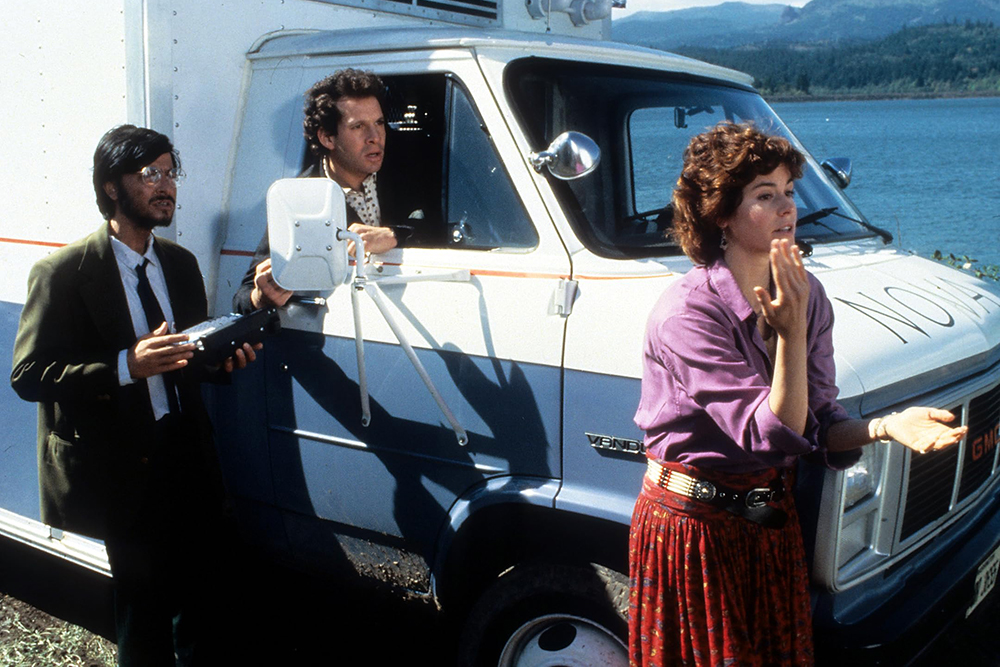
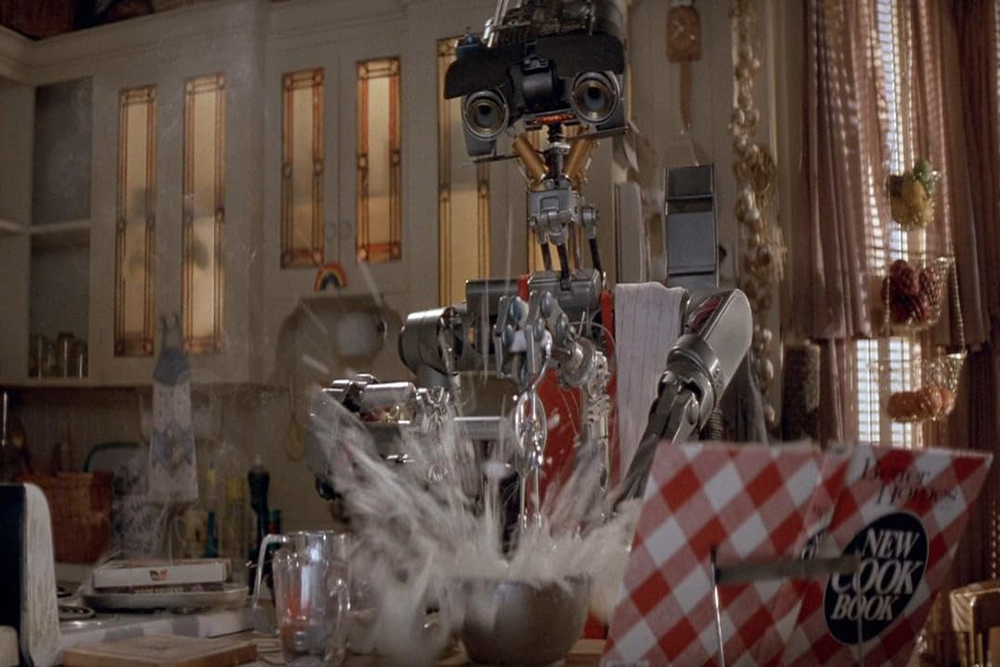
John Badham : I always look for humor in my films, wherever possible. And Short Circuit is one film that had a lot of humor, and the trick was to make it as believable as possible. You know, could we make this robot talk about a machine being a character in the film? This was the Eddie Murphy for us of this film. We had to treat him as a very important character, and because of his innocence, the humor comes out of his misunderstanding of the world and trying to adjust to a new world.
Q : The character of Johnny 5 became iconic. Did you expect audiences to connect so strongly with a robot ?
John Badham : I knew that young audiences would understand the robot, and that the grown-up audiences would understand the humor and connect through the funny way that Number Five confronts the world. And our main actors in it, Ally Sheedy and Steve Guttenberg, had to be almost as innocent as Number Five.
Q : Stakeout and Nick of Time show a very precise sense of timing and suspense. Do you enjoy directing thrillers more than other genres ?
John Badham : I love this kind of thriller, probably coming from my love for Alfred Hitchcock. The kind of thriller that Alfred Hitchcock would have made, and that he did try to make in real time in the movie Rope. This is an interesting storytelling approach. What can happen if we say this problem has to be resolved in 90 minutes, or the Johnny Depp character is going to lose his daughter, his six-year-old daughter?
Q : Nick of Time takes place almost in real time. What was the biggest challenge of shooting a film with that structure ?
John Badham : It had to be believable, because I knew that audiences would start to look at their watch and realize, is this possible? Is this really going on in this amount of time? But the exciting thing as a storytelling device is it puts a lot of pressure not only on Johnny Depp's character and his daughter, but it puts pressure on the audience. The audience is going, "Oh my gosh," they know how much time has gone by, and how limited and how hard it will be for him to be able to get out of this problem and save his daughter.
Q : You have worked with very different actors, from John Travolta to Roy Scheider, Matthew Broderick, Mel Gibson, and Johnny Depp. What do you look for in an actor ?
John Badham : I look for, do I believe them as the character? What can they bring that makes it interesting for me to watch them? I don't need somebody that's just good-looking, but what do they bring? What kind of life do they bring as characters? That's the most important thing. And if you don't believe in them, you're certainly not going to believe in the movie.
Q : Do you direct actors differently depending on their personality, or do you always keep the same approach ?
John Badham : Every single actor is different from every single other actor. Each one takes a special approach, and that's the biggest job that I have when starting to work with an actor, to find out what they do best and how they respond to direction, what kind of direction they like. So one of my first conversations with them is, how do you like to work? What do you like to do first? Are you good in early takes or later takes? How do you understand this character? I want them to know that I am looking out for them, to take care of them and make them look their best.
Q : You’ve been teaching at Chapman University for many years. What do young filmmakers today understand about cinema that your generation didn’t ?
John Badham : I think we are trying to teach them at Chapman how best to work with their actors. That's something that for a long time was not happening in the professional world, where directors were just what we call shooters with the cameras, and they were all about what's the shot and what kind of funny camera angles can we use, and how can we make this look jazzy, rather than how is the best way to help the actors believe in the story that we're telling, even if it's about robots or helicopters or computers. If we don't believe in and love these characters, the movie will fail.
Q : When students watch your films today, what surprises them the most ?
John Badham : I don't know. Sorry.
Q : After such a long career across film, television, and teaching, what gives you the greatest satisfaction when you look back ?
John Badham : It's nice to look back, as we did in the Cinematheque this week, at films like WarGames, Stakeout, and Dracula, films that seem to work well when I go back and I haven't looked at them for many years, and say, "Oh, that's good." Because there are always films where I look back and I go, "Oh, I wish I had not done that. Oh, I wish I could go and start all over again, because I would make a better movie, or maybe I wouldn't have made it in the first place if I were thinking clearly." But it's nice to look back and see ones that did work well and were exciting, and good storytelling.
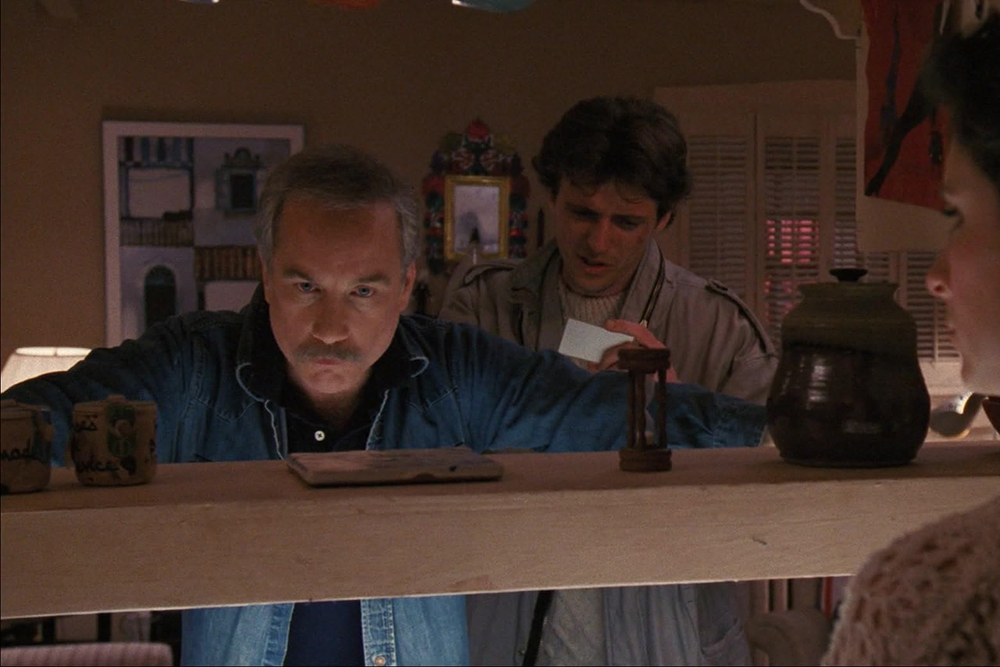
From Saturday Night Fever (1977), a defining portrait of post-Vietnam America, to WarGames (1983), a film that astonishingly anticipated today’s concerns surrounding artificial intelligence and cyber warfare, and Blue Thunder (1983), which explored issues of state surveillance long before they became part of everyday discourse, John Badham has consistently demonstrated a rare balance between accessibility and foresight. The retrospective presented at the Cinémathèque, which also includes Dracula, Stakeout, and Nick of Time, offers a compelling opportunity to rediscover a diverse body of work spanning multiple genres, while revealing the underlying coherence of a filmmaker whose vision, from the 1970s through the 1990s, continues to feel strikingly contemporary.
Born in 1939 in Luton, England, John Badham built one of the most eclectic and influential directing careers of late twentieth-century Hollywood, moving effortlessly between television, studio filmmaking, and later teaching. After studying at Yale and working extensively in television during the late 1960s and early 1970s, he made his feature debut with The Bingo Long Traveling All-Stars & Motor Kings (1976) before achieving worldwide success with Saturday Night Fever (1977), a cultural landmark that helped redefine the American blockbuster. Over the following decades, John Badham demonstrated a remarkable ability to adapt to different genres while keeping a strong sense of storytelling, directing films as varied as the gothic romance Dracula (1979), the socially charged thriller Blue Thunder (1983), the prophetic techno-drama WarGames (1983), the sci-fi comedy Short Circuit (1986), the action-comedy Stakeout (1987), and the real-time suspense film Nick of Time (1995). Known for his precision, his efficiency, and his instinct for stories reflecting the anxieties and aspirations of their era, he later continued his career in television and became a respected professor at Chapman University, passing on his experience to a new generation of filmmakers while remaining a reference point for anyone interested in the evolution of mainstream American cinema from the 1970s to the 1990s.
Filmography
1976 - The Bingo Long Traveling All-Stars & Motor Kings
1977 - Saturday Night Fever
1979 - Dracula
1981 - Whose Life Is It Anyway?
1983 - Blue Thunder
1983 - WarGames
1985 - American Flyers
1986 - Short Circuit
1987 - Stakeout
1990 - Bird on a Wire
1991 - The Hard Way
1993 - Point of No Return
1993 - Another Stakeout
1994 - Drop Zone
1995 - Nick of Time
1997 – Incognito
Photos john Badham : Boris Colletier / Mulderville