
 English
Festivals - Cinémathèque Festival 2026 : Debra Winger, Between Hollywood Glory and Resistance to the Star System
By Mulder, Paris, Cinémathèque française, 01 to 10 march 2026
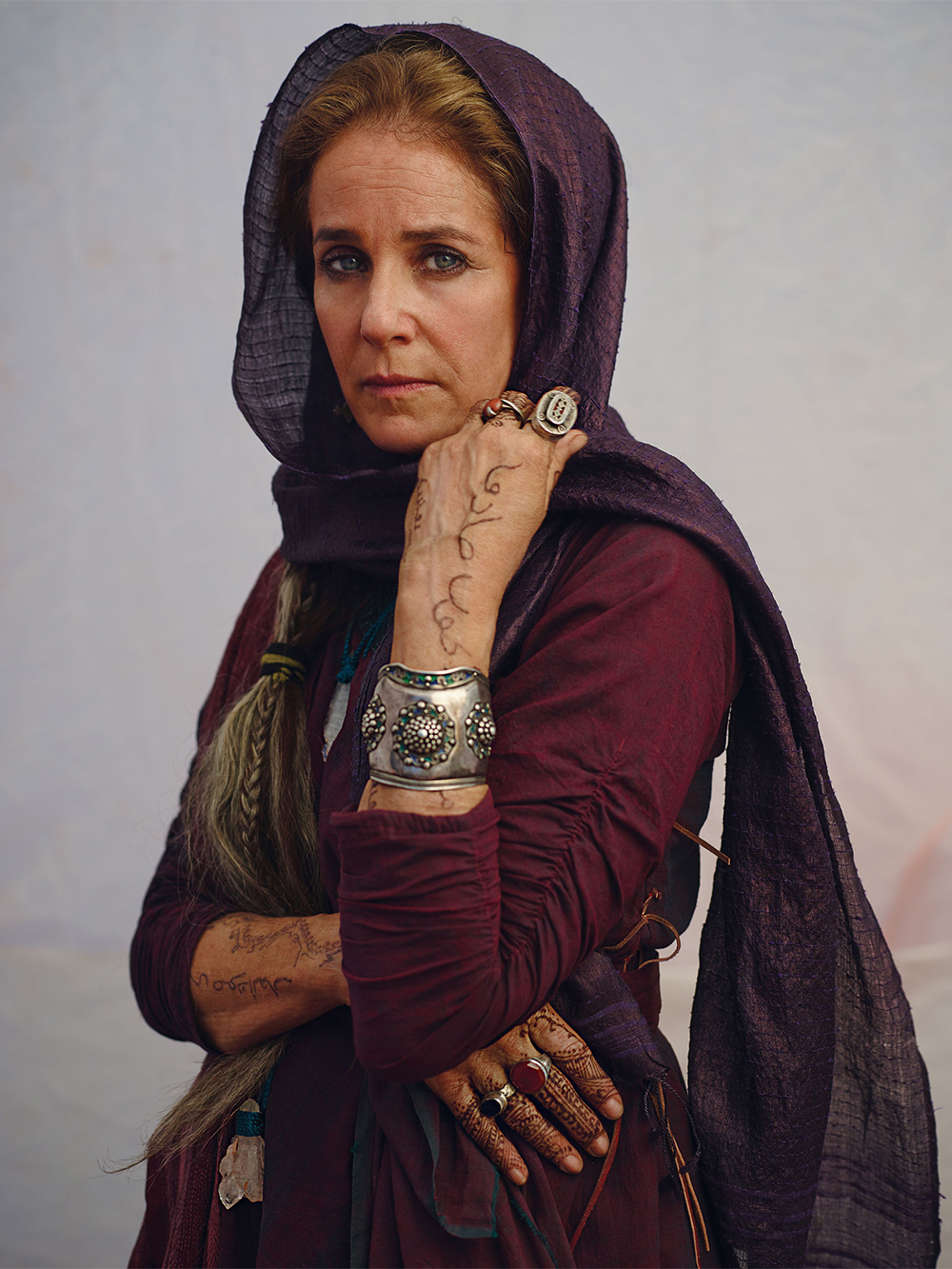
As part of the 13th edition of the Cinémathèque française Festival, which paid tribute to major figures of American cinema, we had the privilege of meeting Debra Winger, one of the most respected actresses of her generation. Known for her demanding choices and her collaborations with prestigious filmmakers such as Bernardo Bertolucci, Costa-Gavras, Bob Rafelson, Alan Rudolph, and Karel Reisz, she embodies a rare form of artistic integrity within the Hollywood star system of the late twentieth century. Still widely remembered for her deeply moving performance in Terms of Endearment, the actress has built a career marked by independence, strong convictions, and a constant refusal to follow the easy path. During the festival, she spoke with us about her career, her relationship with cinema, and the evolution of the industry.
Q : You have always been known for choosing your roles very carefully, sometimes working less than other actresses of your generation. Was that a conscious way to protect your artistic freedom, or simply the result of instinct ?
Debra Winger : I think probably a little of both, you know, I mean there was some conscious effort to make my work synonymous with my life so that they weren't separate. To make one help the other develop and vice versa, to make my life help my work to make the work better, and my work to make the life deeper, and then, you know, so I think a little conscious effort, but everything involves a little luck.
Q : Your career has often been described as representing both the glory and the pressure of the Hollywood star system. When you look back, do you feel the industry has changed for actresses since the 1980s ?
Debra Winger : Oh, I don't know. I mean, I really don't know. I've never been in the inner circle. I do think that women directors have maybe more opportunity, or I should say more money. You know, in other words, I narrated a documentary, a wonderful documentary by Mark Cousins called Women Make Film, I think, and it's about four parts, and it shows us directors back to the beginning of film. So often we don't know how much women have been doing because they simply didn't have the same platform. But as far as actresses in Hollywood, I wouldn't know.
Q : Terms of Endearment remains one of your most iconic performances. What do you remember most about playing Emma, and why do you think this character still connects so strongly with audiences today ?
Debra Winger : I don't know. I try to tell a story that maybe is not the easy part of life, try to tell a story that maybe is honest in its reaction to things that can happen to us, and also try to talk about the difficulty we have in connecting with other humans.
Q : An Officer and a Gentleman became a huge success, but you have spoken in the past about complicated feelings regarding that film. With distance, how do you see it today in your career ?
Debra Winger : Well, I think often what is quoted in an interview is not always fair to the whole feeling. So yes, there was a story created about many things in my life that I feel differently about, but I felt differently about them then as well. But once the internet came here, I was F**d—I'm sorry, can I say that? Once the internet comes, there's no going back and there's no changing it. So whatever you say, c ‘est la vie. You can believe what you want. I don't care.
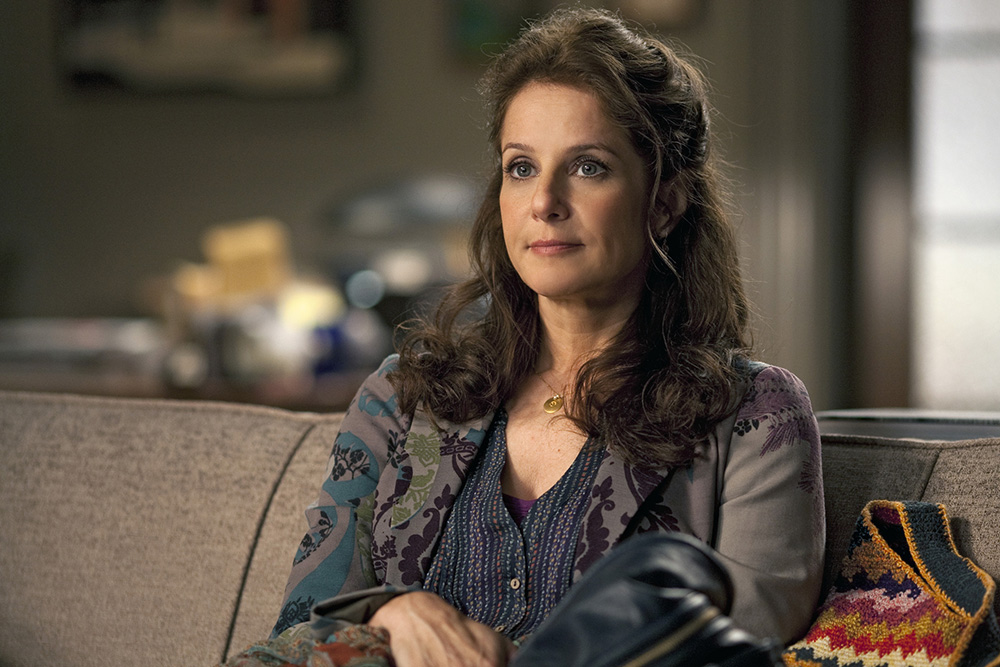
Q : You worked with very different filmmakers like Bernardo Bertolucci, Costa-Gavras, Bob Rafelson, or Karel Reisz. Do you adapt yourself to each director, or do you try to keep the same core approach as an actress ?
Debra Winger : No, I work with the director. The director is very important to me, and I would say that they influence everything.
Q : The Sheltering Sky is a very unique film, both visually and emotionally. What did working with Bernardo Bertolucci teach you about cinema that you didn’t know before ?
Debra Winger : That's like saying, you know… I mean, I can't even think of a metaphor or something to compare it to, because it is the best way to say, you know, what did Bernardo Bertolucci teach you about film that you didn't know before? I mean, come on. I was so lucky and fortunate to not only work with him but be friends with him, and I learned so much about the camera, the design of a shot supporting the performance. I learned that early on from James Bridges, but then Bernardo upped that game very much, especially with Vittorio's work. So, you know, some days were devoted to setting up a shot that we would just be able to shoot at sunset. It took all day to set up, and it maybe has five movements of camera, like from a handheld to a dolly to a truck, and no cuts. So, you know, now what they would call “owners”. But how can that not give you a total thrill as an actor? Like, when it's your turn, you better come up with the goods.
Q : You gained a reputation for being outspoken, sometimes even called difficult in Hollywood. Do you think that label was unfair, or was it simply the price to pay for having strong opinions ?
Debra Winger : Well, I don't have strong opinions. I just have them like every other human. But when you're put up on some platform, which I didn't ask to be put on, then your opinions seem strong because somebody is printing them or photographing them. So I just have opinions like other people. I think I sometimes express them with emotion because that's what I'm feeling in the moment, and then later I don't care so much. But often I think if I talk, if I say maybe six sentences that were the answer to a question, they pick out the most devilish part of it, and that's what followed me around. And do I mind? No. I never really understood how what I say mattered so much. It doesn't really, and I know it doesn't. But why it got so much ink, as they say, I will never know.
Q : In the mid-1990s you stepped away from acting for several years, which is very rare at the height of a career. What made you realize you needed that distance from the industry ?
Debra Winger : Life. I was really busy with my life, and I just didn't find the time to tell a story that equaled the excitement of my life. If a story had come up then that I felt I couldn't live with myself if I didn't do, that would have been a really hard decision, but as it happened, that didn't happen. My mother was dying. I had a child to give birth to. I fell in love and got married. I taught at a university. I mean, I couldn't find a film that would equal all that.
Q : The documentary Searching for Debra Winger explored the difficulties faced by actresses in Hollywood. Did participating in that film change the way you see your own career ?
Debra Winger : All due respect to Rosanne Arquette, I did not see it on purpose, so that I wouldn't have to answer this question. But I hear that it was important to a lot of people. I get letters about it. But, God bless her, I just couldn't get my mind around that. When we shot our segment, it was not called that. That was a different title. So I just felt, I don't know, maybe a little embarrassed.
Q : When you came back with films like Rachel Getting Married or later projects, did you feel freer as an actress than you did in the 1980s ?
Debra Winger : Freer? I think I always felt pretty free. I think when I got in trouble was when I didn't feel free and I tried to get free. But it's all an illusion. Freedom, right ?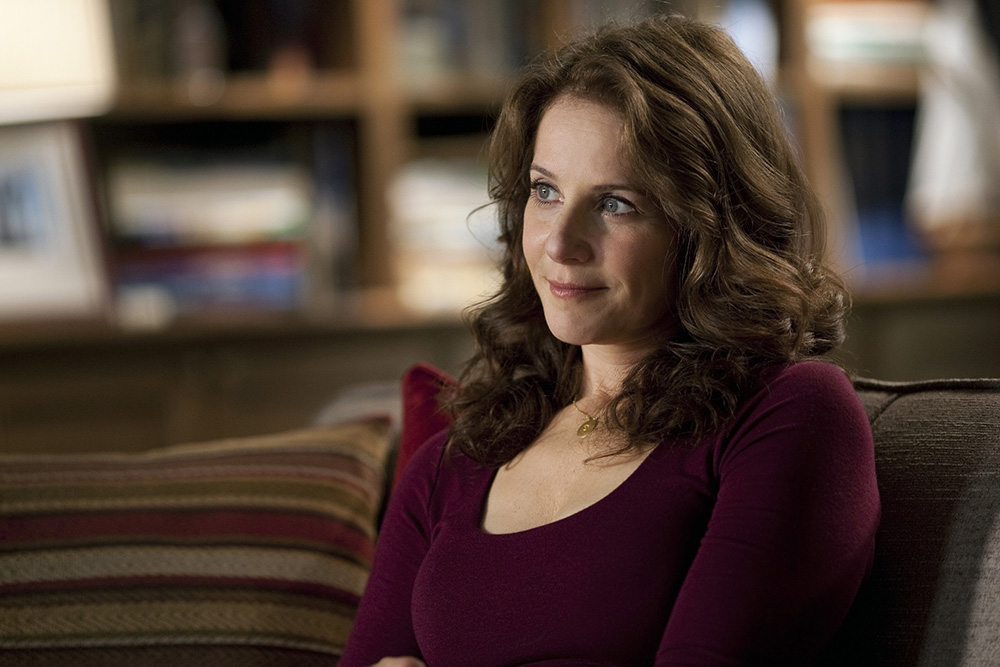
Q : You have also worked as a producer and been involved in documentaries. Does producing give you a different kind of satisfaction compared to acting ?
Debra Winger : Right. Yeah, definitely. I mean, you have a feeling that you contributed without your persona being involved.
Q : You have often been described as a feminist figure within the Hollywood system, someone who refused to follow the expected path. Was that something you were consciously fighting for, or just the way you are ?
Debra Winger : I think it's my humanity. It's not feminism. And I think the first part of that sentence is probably the most accurate. You were always, what, seen as… I mean, I don't know what the collective hypnosis is about, how we categorize people. I'm just living a life that happens to be mine, and I'm trying to be constantly in touch with my humanity, which makes living that life sometimes very difficult, because there's a lot of dehumanizing things going on in the world.
Q : When you look at the films being shown here — An Officer and a Gentleman, Terms of Endearment, Black Widow, The Sheltering Sky — do you see a common thread that defines what you were searching for as an actress ?
Debra Winger : As an actress, no. As a human, I think I was… I'm always searching. I don't know. I think when you're searching, one can't be sure what it's for, otherwise you are just looking for that thing. If you're really a searcher, a seeker, you can't know. You just have to be open and you have to be ready. So I work at those two things. And right now the noise of the inhumanity being brought by our country in particular, and the country that is called Israel, is just beyond my imagination, and it's very noisy inside my head about that. I'm really at a loss for this unbelievable crime against humanity.
Q : Many of your characters feel very real, complex, sometimes uncomfortable, but never artificial. What do you need to find in a script to feel that a character is worth playing ?
Debra Winger : Authenticity. I mean, many people that we meet that are interesting characters don't feel authentic, even though they're authentic individual. So I have nothing against playing that. I think that I got tired of always being asked to be myself, as if I knew what that was, or anyone else would. That's what the search is, yeah, for oneself. Know thyself. So, no, I have nothing to say really about that, except that authenticity is what we search for, but falling short of it is what makes it entertaining.
Q : Hollywood has often struggled with the way it treats actresses as they grow older. Do you feel that things are improving today, or are the same problems still there in a different form ?
Debra Winger : Yes, same problem, different form. There's only about five in life, you know, right? There's only five themes. There's only five problems, and we like to dress them up differently, and we like to speak about them in different languages.
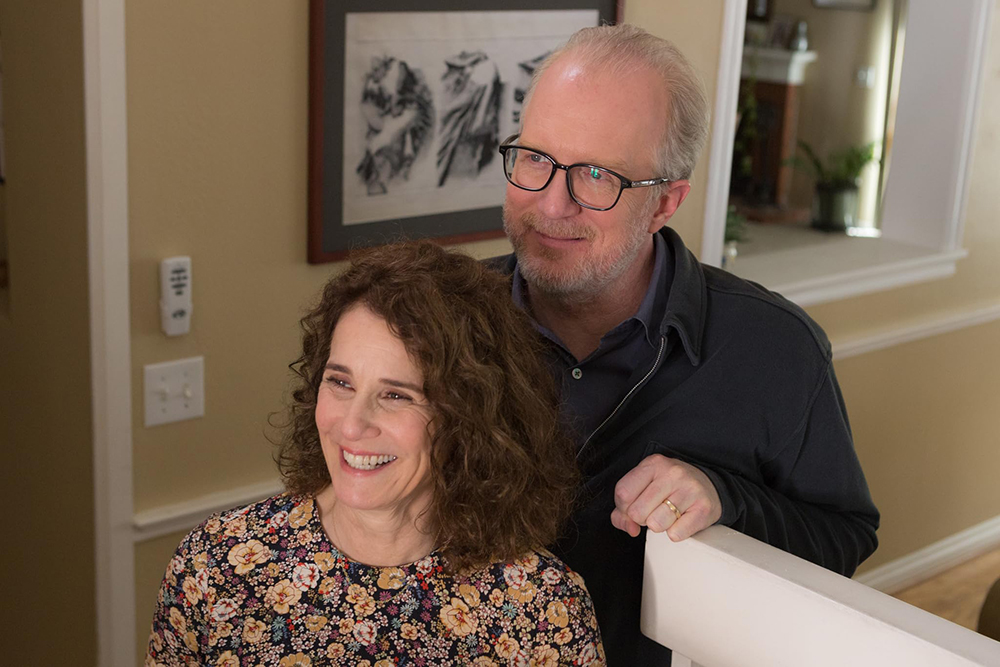
Q : When you compare filmmaking today with the time when you made your most famous films in the 1980s and early 1990s, what do you miss the most from that period ?
Debra Winger : Yeah, that's actually a good question. I miss the crews getting paid enough, you know. The way the crew is treated now is despicable, and that's, you know, actors, we're always… even on the small independent films where they tell you to find your own way home and bring your own lunch, it's still better than the crew. And I just feel so bad about that. It almost makes it impossible to work, because if something was going wrong with the crew or if there was some problem, I, as an actor, found it very hard to work until that problem was solved. So I think it's a shame that we don't appreciate the artistry of all the people that go into making a film. It is the most collaborative art form, and that's gone missing.
Q : You have worked in film, television, theater, and streaming series. Do you approach acting differently depending on the format, or is the work essentially the same for you ?
Debra Winger : Essentially it's the same. If the director is good, it doesn't feel like a different art form necessarily, although there is certainly a skill set to working with a camera that I happen to like. But the stage is a whole other thing. And then, when you say TV now, it's hard. I worked on a wonderful series called Patriot with a wonderful filmmaker, Steve Conrad, and I'm just trying to say something in the right way, so I hesitate, but I never hesitated to feel that it was a big film even though it was a series for Amazon. So I don't even differentiate. If the camera work is great and you're working with the director and you have a great cast, then that's the essence of making a jewel, you know.
Q : If a young actress today discovered your films for the first time at this festival, what would you hope she understands about the choices you made throughout your career ?
Debra Winger : Yeah, I think “choices” that you make for your career is a kind of misnomer, because so much of it is luck. Being in the right place at the right time, being fortunate to be asked. You say no to some things. But if you're ready all the time, chances are you'll be more adept at choosing the thing that is right for you at that time. And then, you know, it's all a crapshoot after that. But I think the message is just to be ready.
The tribute dedicated to Debra Winger during the Cinémathèque française Festival highlighted the richness of her filmography through a selection of emblematic works, including An Officer and a Gentleman, Terms of Endearment, Black Widow, Everybody Wins, The Sheltering Sky, and the documentary Searching for Debra Winger directed by Rosanna Arquette. This retrospective illustrated both the strength and the complexity of an actress who has always preferred meaningful collaborations over mainstream visibility, and whose career reflects the pressures often faced by women in Hollywood. The festival’s program, which also honored filmmaker John Badham and several restored classics, once again confirmed the event’s importance as one of the most significant celebrations of film heritage in France.
Born Mary Debra Winger on May 16, 1955, in Cleveland Heights, Ohio, Debra Winger is an American actress whose career spans more than four decades. She rose to prominence in the early 1980s with performances in Urban Cowboy, An Officer and a Gentleman, and Terms of Endearment, earning three Academy Award nominations for Best Actress, later followed by another nomination for Shadowlands. Known for her strong personality and selective approach to roles, she has worked in films such as Black Widow, The Sheltering Sky, Rachel Getting Married, and Kajillionaire, while also appearing on stage, television, and as a producer. Her career, marked by periods of voluntary absence from Hollywood, reflects a constant desire for artistic freedom rather than fame, making her one of the most distinctive actresses of her generation.
Interview photos and 4K video by Boris Colletier / Mulderville