 English
Movies - Marguerite & Julien : a look back at a controversial and passionate film during an exceptional screening
By Mulder, Paris, Cinémathèque, Salle Henri Langlois, 07 february 2026
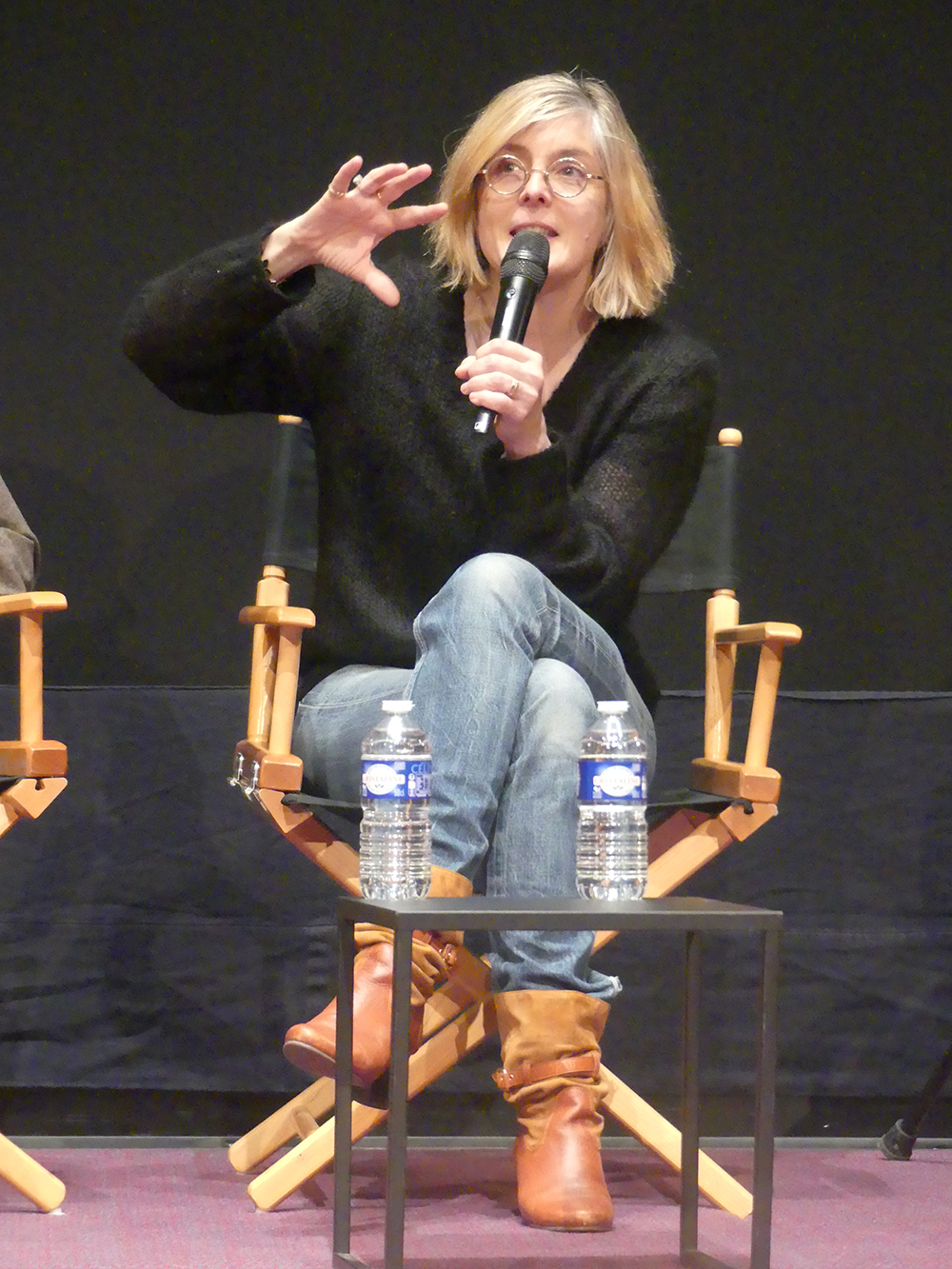
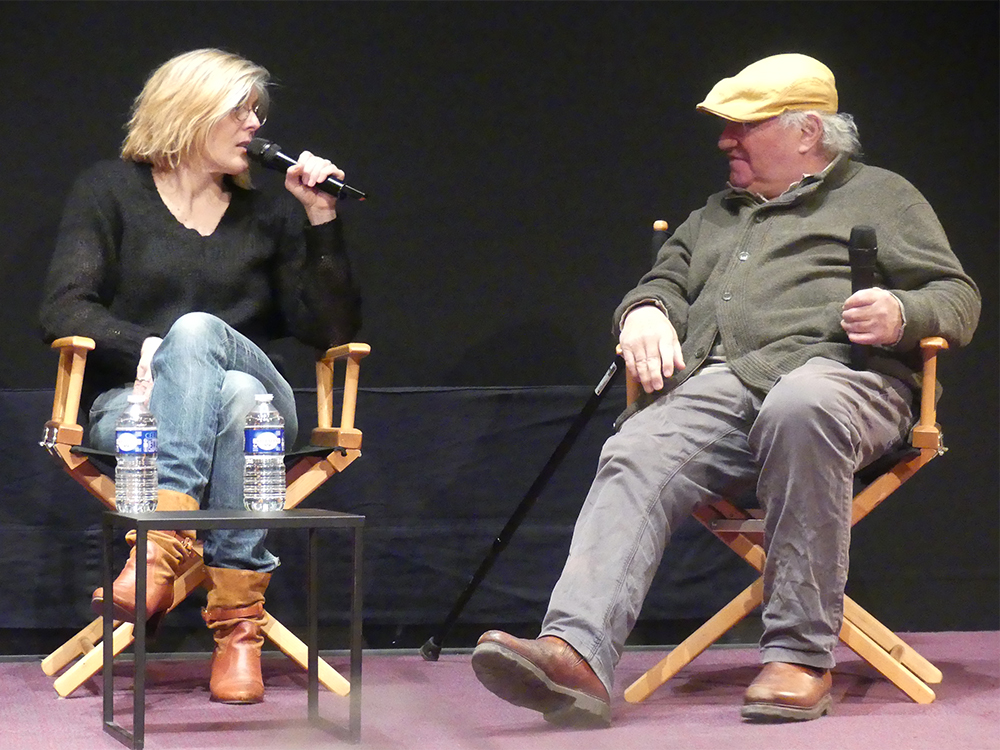
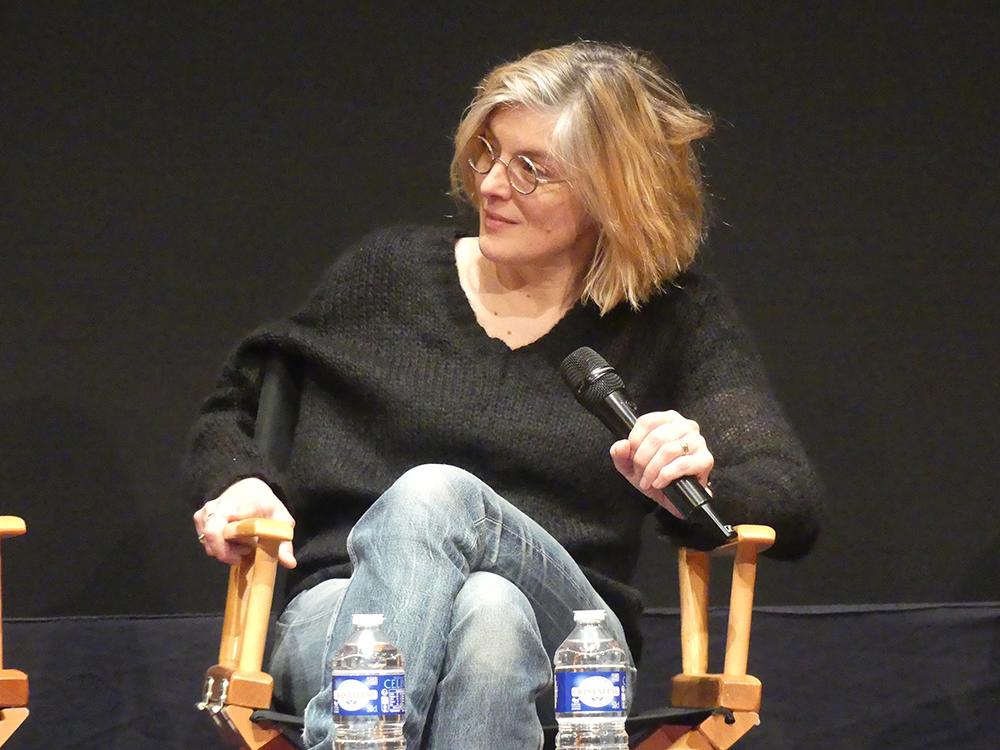
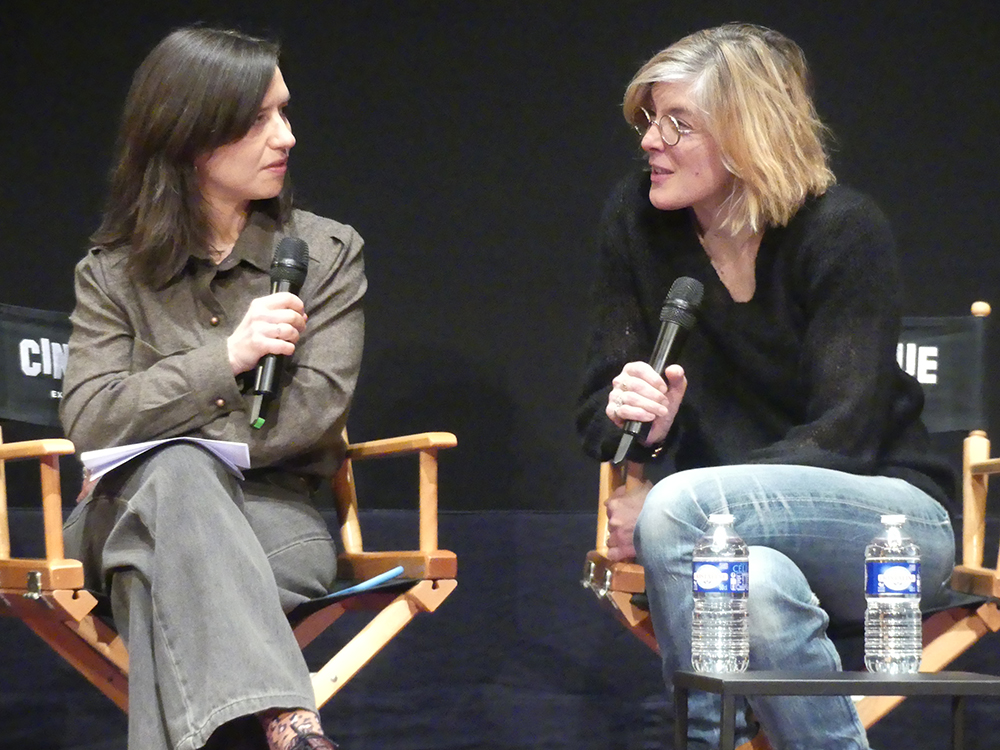
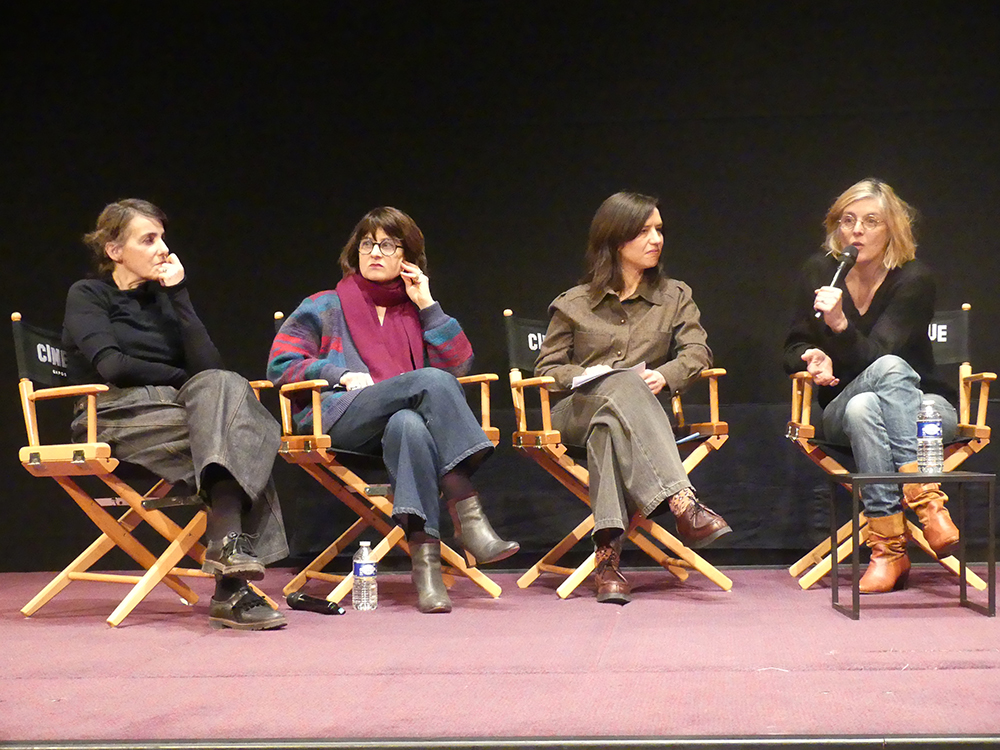
On February 7, 2026, in the Henri Langlois theater at the Cinémathèque Française in Paris, Marguerite & Julien returned to the big screen in a special, almost intimate setting that spoke volumes about the unique status of this film in Valérie Donzelli's filmography and in the landscape of contemporary French cinema. Our media outlet was present for this screening, followed by a discussion moderated by Caroline Maleville, in the presence of director and co-screenwriter Valérie Donzelli, production designer Manu de Chauvigny, editor Pauline Gaillard, and costume designer Charlotte Gastaut. During this intense exchange, which lasted nearly an hour and twenty minutes, the team took an in-depth look at the film's genesis, artistic choices, and misunderstandings that still surround this feature film released in 2015. The attentive and curious atmosphere in the room stood in stark contrast to the frosty critical reception the film had received upon its release, reminding us how certain works continue to live, move, and recontextualize themselves long after their first public exposure.
Directed by Valérie Donzelli, Marguerite & Julien is a French drama released in 2015, presented in the official selection at the Cannes Film Festival that same year, and inspired by a screenplay written in 1973 by Jean Gruault for François Truffaut. This long-gestating project is rooted in a true story from the 17th century, that of Marguerite de Ravalet and Julien de Ravalet, an aristocratic brother and sister executed for incest and adultery, a news item reported in Les Histoires tragiques de nostre temps and later taken up by Jules Barbey d'Aurevilly in Une page d'histoire. Jean Gruault also drew on theatrical references in his writing, notably Dommage qu'elle soit une putain (Too Bad She's a Whore), and although François Truffaut greatly appreciated the screenplay, he ultimately refused to direct it, saying he was uncomfortable with the 17th century and felt he had already addressed similar themes in Le Souffle au cœur (The Breath in the Heart) and Caresses interdites (Forbidden Caresses). The script then underwent several attempts at adaptation, notably by Jean-Claude Brialy and François Villiers, without ever coming to fruition, before being published in 2011 and discovered by Valérie Donzelli, who decided to adapt it with Jérémie Elkaïm, with occasional input from Jean Gruault, the film being dedicated to him.
During the meeting at the Cinémathèque, Valérie Donzelli spoke at length about this almost underground transmission of the script, emphasizing the vertigo she felt at the idea of taking on a text written for another filmmaker, in another time, and the need to fully embrace it, including its rough edges. The film, shot in 2014 in the very places where the Ravalets lived, notably in Tourlaville and several towns and sites in the Cotentin region such as Auderville, Barfleur, Biville, Cherbourg-Octeville, Éculleville, Gonneville, Jobourg, Saint-Lô-d'Ourville, as well as on the island of Tatihou, claims a strong historical anchorage while embracing deliberate anachronisms, emphatic lyricism, and a form of tragic tale that often confused critics. At the time, several journalists noted obvious similarities with the films of Jacques Demy, particularly Peau d'âne, in the way it combines transgression, poetry, and temporal displacement, an interpretation that the team present that day neither confirmed nor denied, but welcomed as one interpretation among many.
Starring Anaïs Demoustier and Jérémie Elkaïm, alongside Frédéric Pierrot, Aurélia Petit, Raoul Fernandez, Catherine Mouchet, Geraldine Chaplin, Bastien Bouillon, Sami Frey, Maxime Dambrin, Alice de Lencquesaing, Philippe Laudenbach, and Esther Garrel, Marguerite & Julien tells the story of the irrepressible passion of two children of the Norman nobility whose love, at first tender, becomes a scandal in the eyes of society, forcing them to flee and leading to tragedy. Céline Bozon's cinematography, Pauline Gaillard's editing, Yuksek's music, and the work on the sets and costumes were at the heart of the discussions, with each contributor recalling how the film was constructed with a focus on emotional coherence rather than academic reconstruction, a conscious choice that contributed to its critical incomprehension.
Upon its release, the film was indeed received rather harshly, garnering generally unfavorable reviews, with an approval rating of 29% on Rotten Tomatoes and an average score of 35 on Metacritic, with Boyd van Hoeij of The Hollywood Reporter calling it “ambitious but extremely uneven.” These figures and judgments, which were openly discussed during the meeting, were put into a broader context by Valérie Donzelli, who emphasized how Marguerite & Julien remains for her a pivotal film, both deeply personal and resolutely counter-cultural, whose reception has never negated its artistic necessity. The Paris screening, followed by this generous dialogue with the audience, thus gave the impression of a film that continues to provoke debate and reflection, confirming that certain works, unloved at their inception, find with time a more appropriate space to be watched, discussed, and perhaps reevaluated.
You discover our photos in our Flickr page
Synopsis :
Julien and Marguerite de Ravalet, son and daughter of the lord of Tourlaville, have loved each other tenderly since childhood. But as they grow up, their tenderness turns into a consuming passion. Their affair scandalizes society, which hunts them down. Unable to resist their feelings, they must flee...
Marguerite & Julien
Directed by Valérie Donzelli
Written by Valérie Donzelli, Jérémie Elkaïm, Gilles Marchand
Produced by Edouard Weil, Alice Girard
Starring Anaïs Demoustier, Jérémie Elkaïm, Frédéric Pierrot, Aurélia Petit, Raoul Fernandez, Catherine Mouchet , Geraldine Chaplin, Bastien Bouillon, Sami Frey, Maxime Dambrin, Alice de Lencquesaing, Philippe Laudenbach, Esther Garrel
Cinematography : Céline Bozon
Edited by Pauline Gaillard
Music by Yuksek
Distributed by Wild Bunch (France)
Release dates : 19 May 2015 (Cannes), 2 December 2015 (France)
Running time : 110 minutes
Photos and video : Boris Colletier / Mulderville