 English
Events - Paris Fashion Week – January 2026: a transitional edition, between heritage and redefinition
By Mulder, Paris, 01 february 2026

Paris Fashion Week in January 2026 was a pivotal edition for the industry, marking both the continuity of historical expertise and the affirmation of new artistic directions. Between Men's Fashion Week Fall-Winter 2026-2027 and Haute Couture Week Spring-Summer 2026, the French capital concentrated an impressive number of symbolic moments, creative handovers, and strong aesthetic statements into a few days, confirming once again its central role in the global fashion ecosystem.
On the menswear side, Paris clearly accentuated a movement that has been noticeable in recent seasons: the runway show is no longer just a commercial presentation tool, but a true narrative device. Fashion houses have multiplied immersive staging, flirting with live performance, artistic performance, and sometimes even theater. At Dior, the men's collection focused on a clear and sophisticated wardrobe, centered on the idea of sublimated everyday life, while Louis Vuitton continued its spectacular approach, embracing fashion designed as much for the image as for the garment itself. More than ever, Parisian men's fashion is asserting itself as a field of cultural experimentation, where the silhouette becomes the medium for a broader narrative.
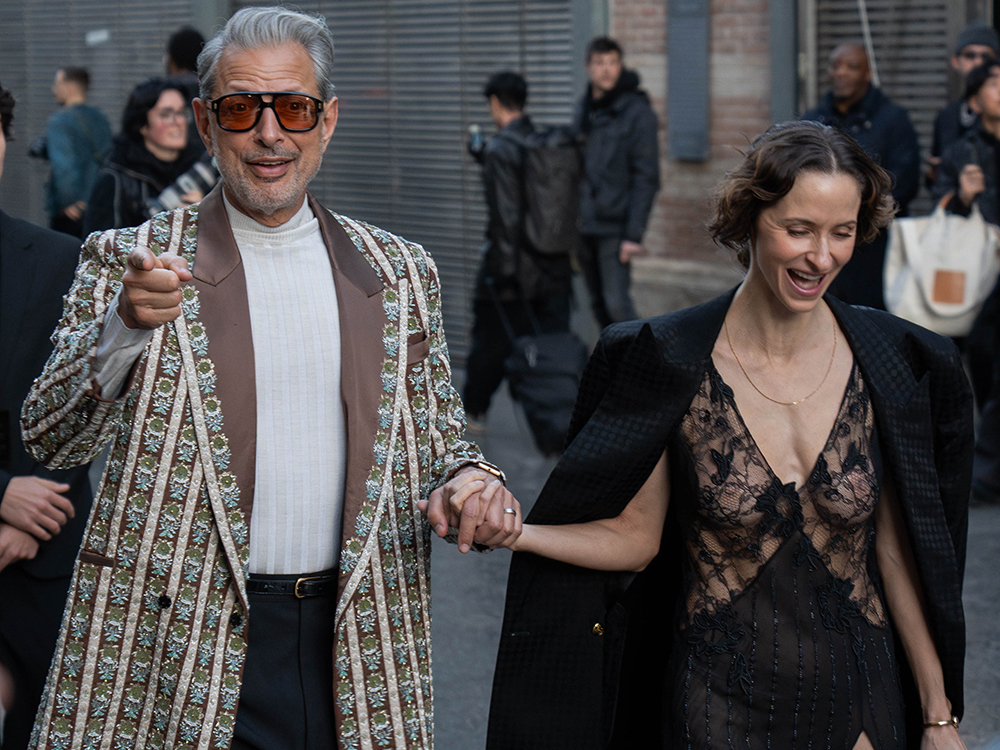
One of the most memorable moments of this men's fashion week was undoubtedly the last show by Véronique Nichanian for Hermès. After decades of crafting a coherent, elegant, and deeply timeless vision of the men's wardrobe, this outing took on the air of a discreet but emotionally charged farewell. Without unnecessary effects, the collection reminded us how sobriety, when mastered, can become a powerful language, unanimously praised by the profession.
Haute Couture, which took over on January 26, confirmed a desire to rebalance craftsmanship and the relationship to the body. Unsurprisingly, the most closely watched event was Jonathan Anderson's debut as head of couture at Christian Dior. Highly anticipated, this first collection sought to reconcile the house's monumental heritage with a more experimental approach, playing with volumes, textures, and a certain floral poetry, without ever veering into abrupt change. It was a measured but strategically intelligent introduction.

At Chanel, Matthieu Blazy's first Haute Couture collection created a climate of reassuring continuity. Airy silhouettes, vaporous fabrics, and a form of controlled romanticism created a more fluid, less rigid couture, designed to accompany movement rather than hinder it. In contrast, designer Robert Wun delivered one of the most daring highlights of the week, with a narrative, almost cinematic couture, where each silhouette seemed to tell its own story, confirming his status as a unique voice on the Parisian scene.
Beyond the catwalks, this January 2026 Fashion Week was also marked by a shift in representation. The diversity of models' profiles—in age, presence, and attitudes—has become increasingly natural, particularly in Haute Couture, where some houses have chosen to break with a strictly idealized vision of the body. This evolution reflects a desire to reconnect exceptional fashion with a more human reality, without compromising on aesthetic standards.
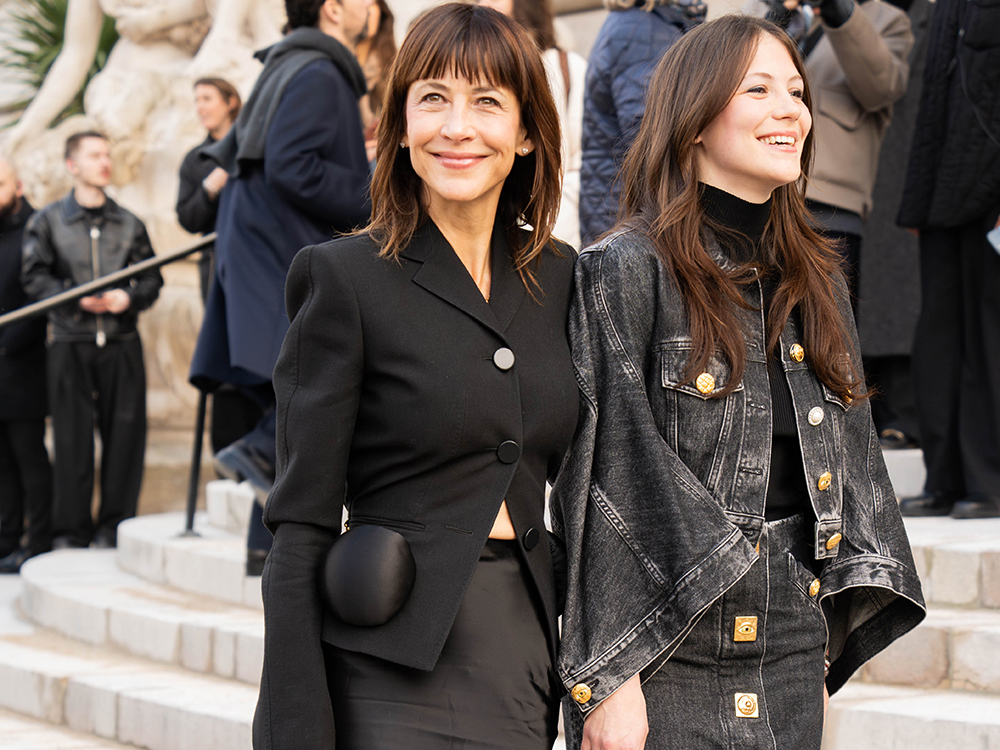
In terms of media coverage, Paris has once again demonstrated its ability to capture global attention. Physical fashion shows, digital devices, backstage content, and massive social media coverage have reinforced the idea of a two-speed Fashion Week: an exclusive experience for guests in attendance and a global spectacle for an international audience. This hybridization is now fully integrated into the strategy of fashion houses, which design their collections as much for immediate impact as for long-term impact.
Ultimately, Paris Fashion Week in January 2026 appears to be a controlled transition. Less provocative than some previous seasons, but more profound in its intentions, it highlighted an industry in search of meaning, seeking to reaffirm the value of time, gesture, and narrative. Parisian fashion, without denying its heritage, now seems to want to speak more softly, but with greater precision—and perhaps, above all, with greater maturity.
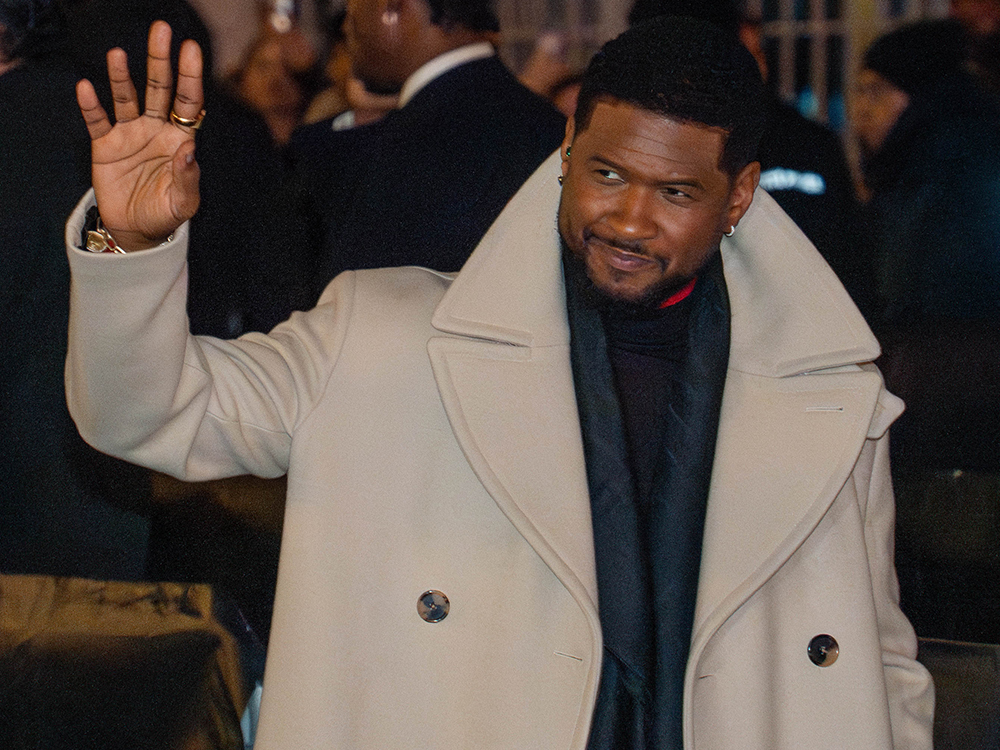
You can discover our photos in our Flickr page
Photos: @fannyrlphotography