 English
Premiere - Wuthering Heighs : A Literary Myth Reclaimed in Blood, Desire, and Cinema at the Paris Premiere
By Mulder, Paris, Le Grand Rex, 02 february 2026
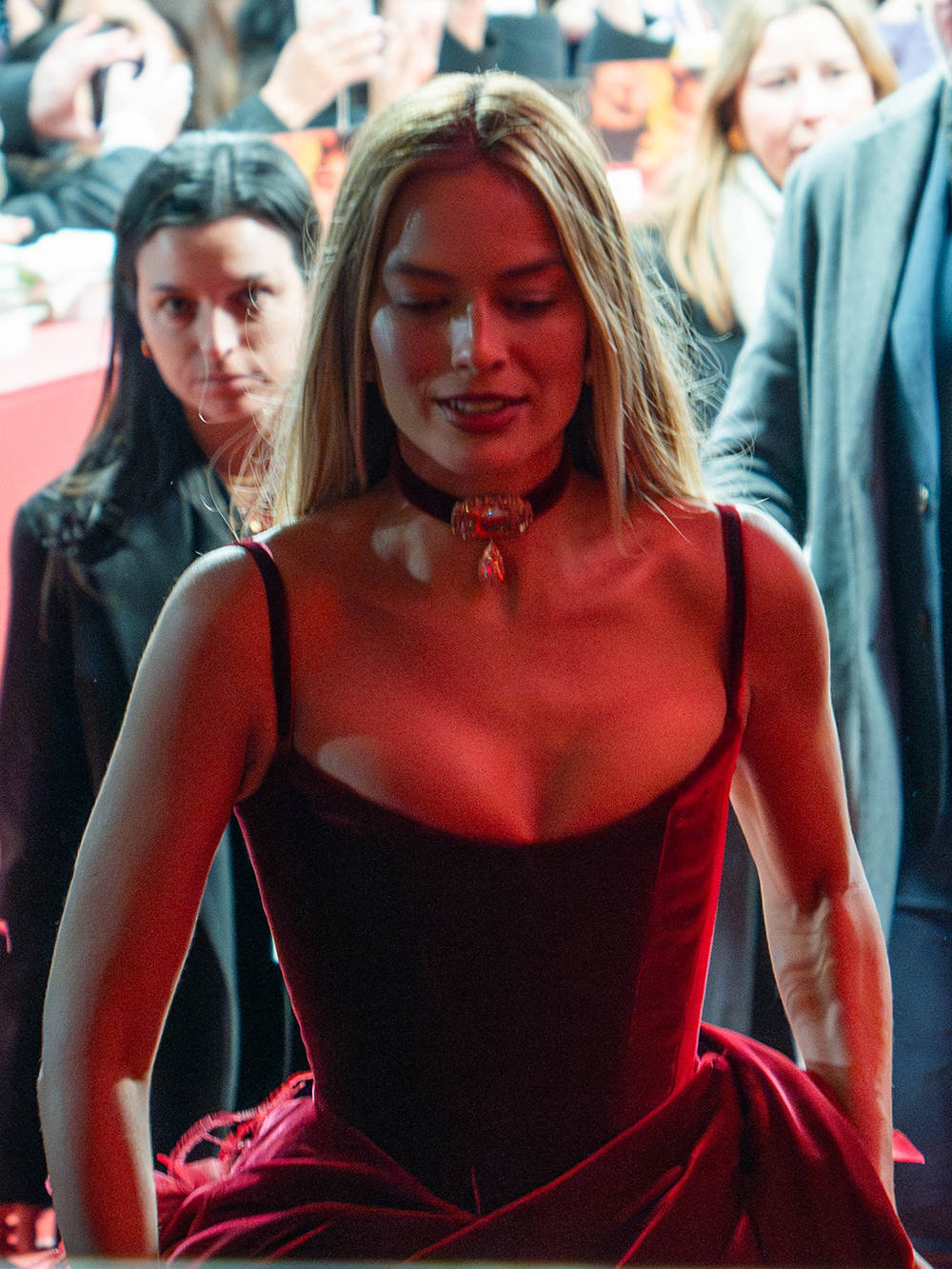
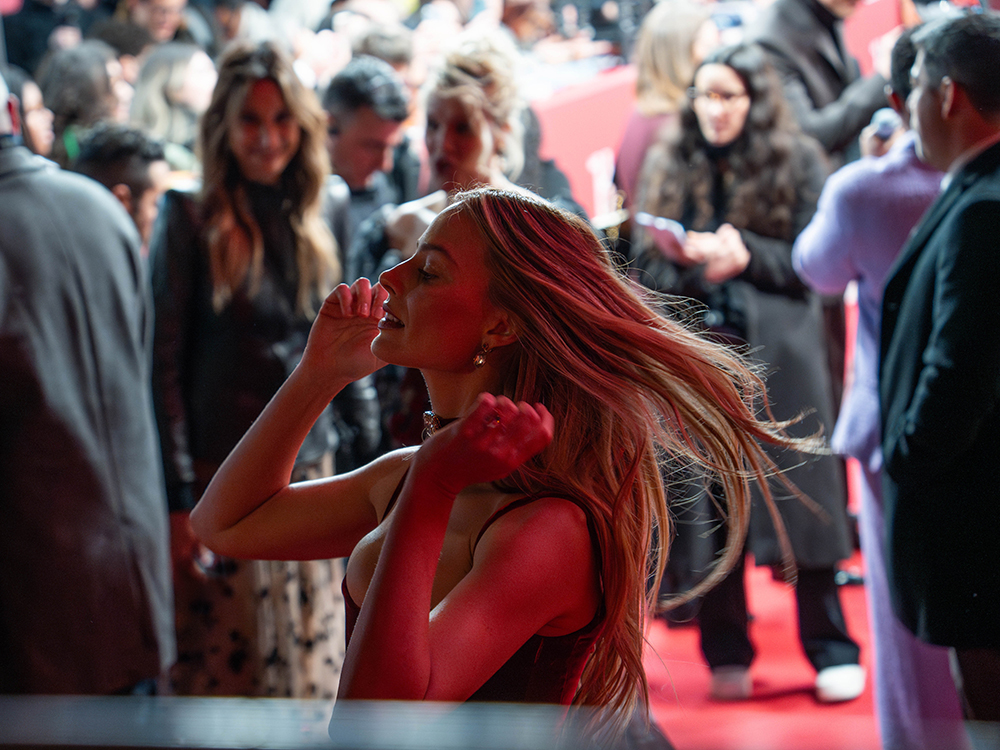
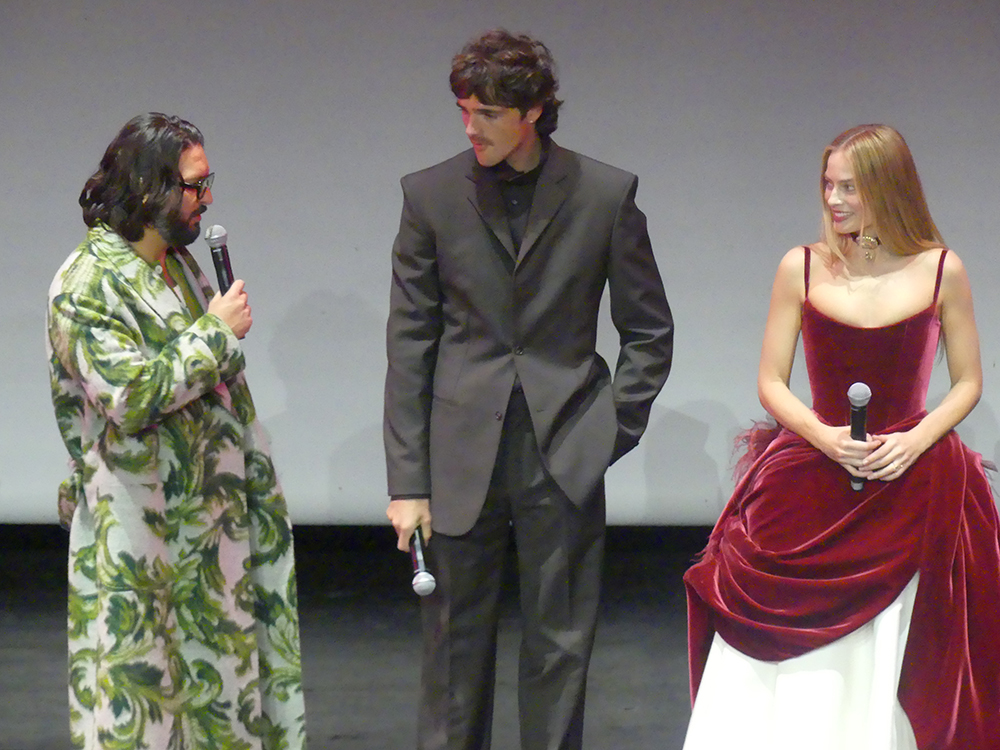
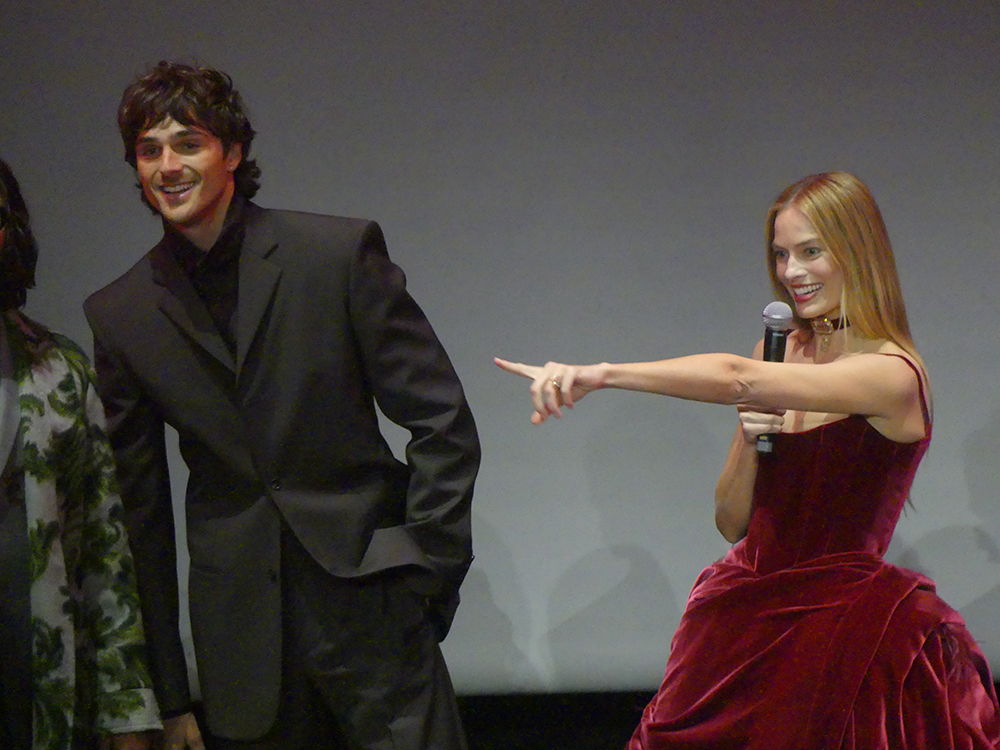
On February 2, 2026, the Grand Rex in Paris hosted one of this year's most anticipated literary adaptations when Wuthering Heighs was unveiled to a large and visibly enthusiastic audience, with our media outlet present in the theater for the event. Before the screening, the film was introduced by its co-producer Josey McNamara, its writer, director, and co-producer Emerald Fennell, as well as its lead actors Margot Robbie, Jacob Elordi, and Shazad Latif, whose brief but heartfelt introduction was met with prolonged applause that set the tone for an evening filled with anticipation. There was a palpable feeling in the room that this was not just another Parisian premiere, but a cultural moment, one of those rare screenings where the audience is deeply aware that they are about to discover a film designed to provoke, divide, and linger in their minds long after the credits roll, a feeling reinforced by the warm welcome given to the creative team and the obvious curiosity aroused by Emerald Fennell's daring reinterpretation of Emily Brontë's untouchable classic.
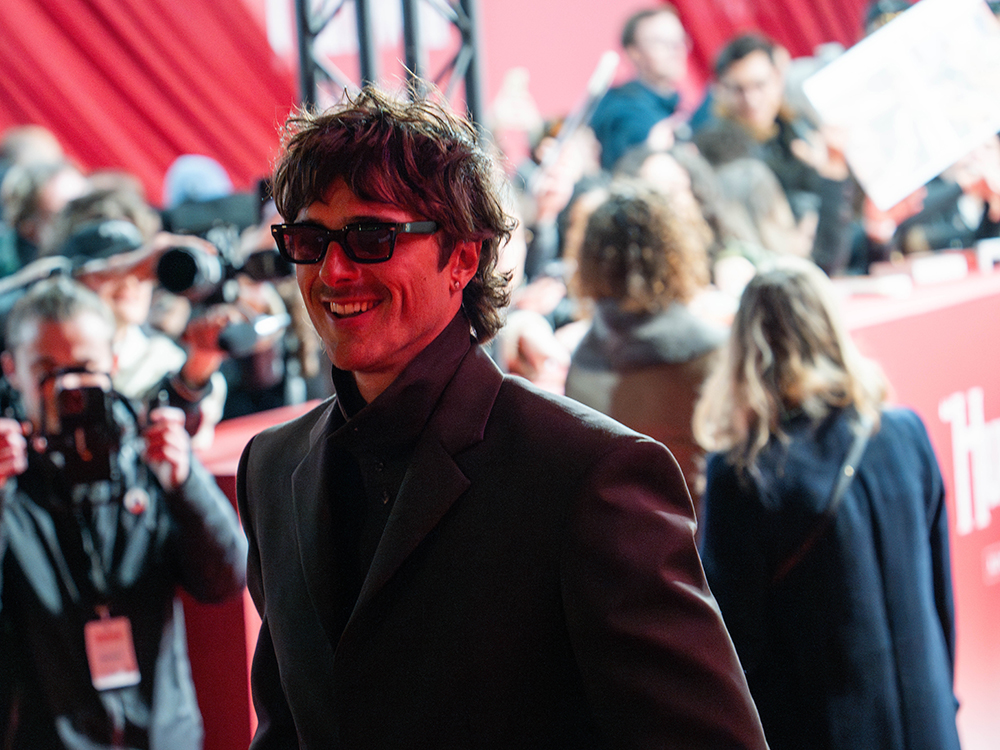
With Wuthering Heighs, Emerald Fennell achieves what can be described as a daring act of cinematic defiance, fully accepting the impossibility of a faithful literary adaptation and turning that limitation into a statement of intent. Premiering on January 28, 2026, at the TCL Chinese Theatre ahead of its French release on February 11 and its US and UK release on February 13, the film unapologetically positions itself as an emotional and physical experience designed for the big screen, including IMAX theaters, rather than a polished period adaptation. The quotation marks surrounding the French title are a symbolic gesture by the director, underscoring her belief that this is not the novel, but a version of it, filtered through obsession, memory, sensuality, and cinema. This philosophy permeates the film, which eschews reverence in favor of intensity, insisting that period cinema should provoke modern, visceral reactions rather than remain embalmed in literary respectability.
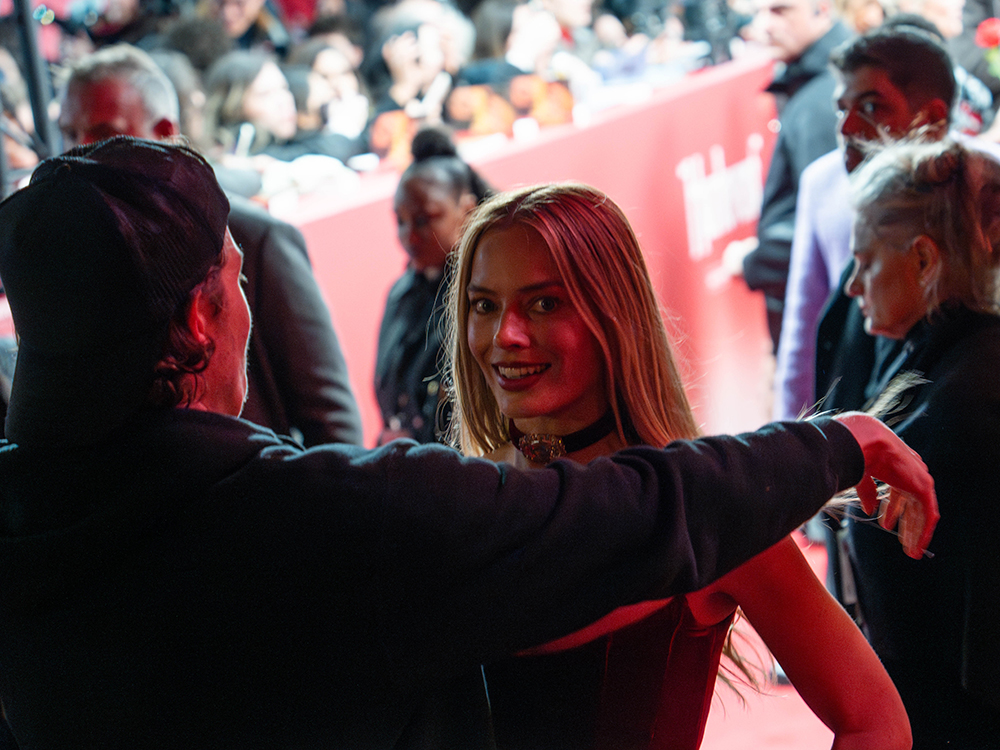
At the heart of this vision is the memorable duo of Margot Robbie and Jacob Elordi as Catherine Earnshaw and Heathcliff, two characters whose destructive bond has haunted literature for nearly two centuries. Reuniting after Saltburn, also written and directed by Emerald Fennell, the duo brings an explosive chemistry that the filmmaker has openly described as intentionally dangerous, oscillating between attraction and repulsion. Margot Robbie, who also produces the film alongside Josey McNamara under the banners of LuckyChap Entertainment and MRC, embodies a Catherine who is older, more vivacious, and more self-aware than in many previous adaptations, a deliberate aging that puts the character in her early twenties and removes any excuse related to youth. This creative choice gives the film a contemporary moral dimension, forcing the audience to confront Catherine's guilt in her own downfall with unsettling clarity, while Jacob Elordi's Heathcliff relies fully on physicality and emotional extremity, an interpretation that has already sparked debate but remains firmly aligned with Emerald Fennell's uncompromising and subjective reading of the material.
The story of Wuthering Heighs production reflects the broader tensions that exist in the industry between the dominance of streaming and cinematic ambition, adding another layer of intrigue to the project's journey to the big screen. In October 2024, a widely publicized bidding war saw Netflix offer a staggering $150 million for distribution rights, but Warner Bros. Pictures won out with an $80 million deal after agreeing to Emerald Fennell and Margot Robbie's non-negotiable demand for a full theatrical release and a robust marketing campaign. That insistence now seems justified, as the film's promotional strategy, which includes billboards in New York City, London, and Los Angeles, a poster explicitly paying homage to Gone with the Wind, and a highly publicized media campaign culminating in Margot Robbie and Jacob Elordi on the cover of Vogue Australia, has presented Wuthering Heighs as a prestigious film and cultural event, rather than content intended for algorithmic consumption.
Visually, the film is an exercise in tactile excess, shot in 35mm VistaVision by Oscar-winning cinematographer Linus Sandgren, whose work here rejects digital refinement in favor of raw materiality. Shot entirely on physical sets and in real locations, principal photography took place in the Yorkshire Dales, notably in Arkengarthdale, Swaledale, Low Row, and the Yorkshire Dales National Park, with additional interiors built at Sky Studios Elstree by production designer Suzie Davies. These monumental sets seem to rot and breathe alongside the characters, reflecting Emerald Fennell's conception of Wuthering Heighs as a structure slowly reclaimed by nature, divided by slate rocks, seeping damp, and organic decay, in stark contrast to Thrushcross Grange, envisioned as a grotesque Victorian attempt to dominate and preserve the natural world through taxidermy, pressed flowers, and resplendent interiors that feel more stifling than refined.
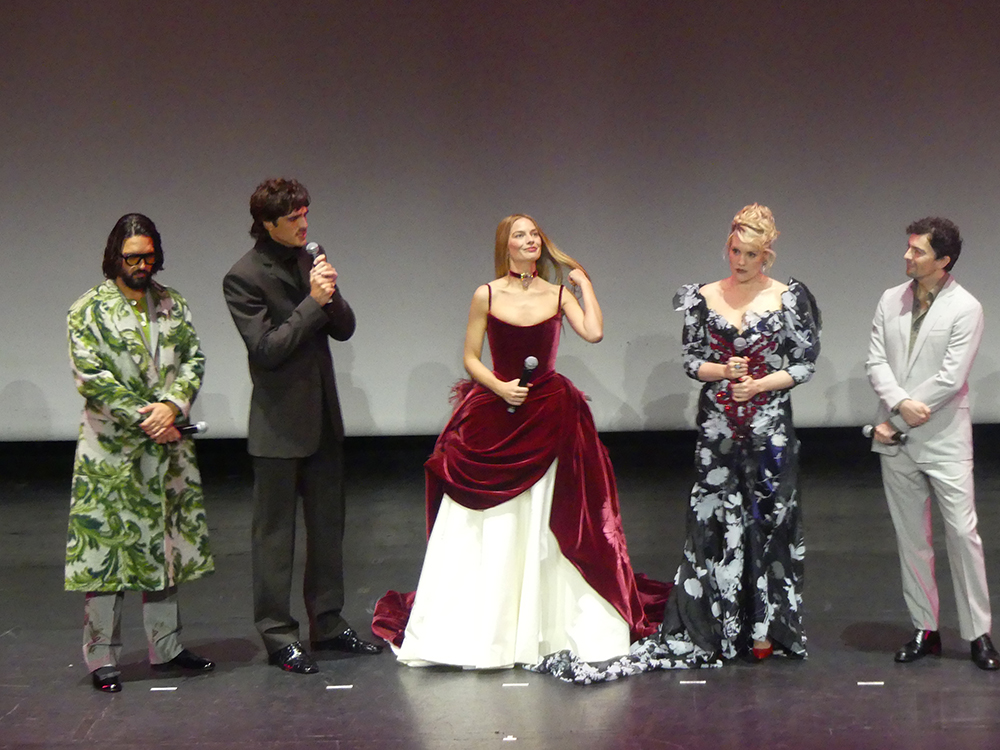
The costumes designed by Jacqueline Durran become a crucial extension of the characters' psychology, particularly in Catherine's wardrobe, which mixes femme fatale silhouettes with an almost aggressive tactility. Inspired by Vivien Leigh, Alexander McQueen, and classic melodrama, the costumes make Catherine visually unmissable, reinforcing her emotional tyranny over everyone around her. In contrast, Isabella, played with unsettling vulnerability by Alison Oliver, is dressed in infantilizing pastel colors and ornamental textures that subtly codify her repression and ultimate psychological fracture, a deliberate design strategy repeatedly emphasized by Emerald Fennell as central to the film's subtext. The supporting roles further enrich this reinterpretation, with Hong Chau embodying a morally ambiguous Nelly whose discreet presence masks a narrative power, Shazad Latif redefining Edgar Linton as a genuinely appealing alternative rather than a mere obstacle, and Martin Clunes and Ewan Mitchell anchoring the story in generational cruelty and inherited violence. The choice of Jacob Elordi to play Heathcliff, which sparked discussion due to the character's racial ambiguity in the novel, was addressed directly by Emerald Fennell, who cited her teenage memory of the book's original illustration of Heathcliff, a personal justification that underscores how deliberately subjective and unapologetic this adaptation is.
Music plays an equally conflicted role in the film's emotional impact, with composer Anthony Willis providing a dark orchestral score that deliberately collides with an album of original songs by Charli XCX, whose involvement expanded from a single track to a full musical work. Songs such as “House,” featuring John Cale, “Chains of Love,” and “Wall of Sound” blur the boundaries of time, reinforcing Emerald Fennell's belief that period cinema should make you sweat, vibrate, and feel uncomfortable rather than politely reassure you. This philosophy permeates every frame of Hurlevent, positioning the film less as an adaptation and more as an act of provocation, a gothic melodrama that dares to push its audience to feel too much, too intensely, and without the comfort of moral distance.
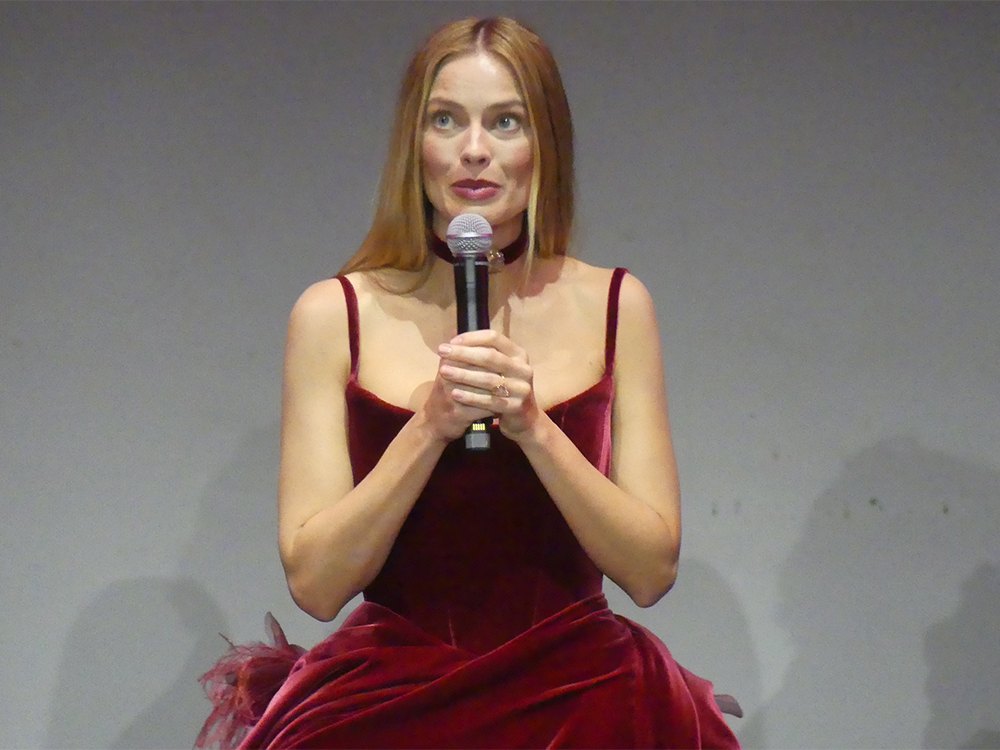
You can discover our photos in our Flickr page : Red Carpet and Presentation
Synopsis :
A passionate and tumultuous love story set against the backdrop of the Yorkshire moors, exploring the intense and destructive relationship between Heathcliff and Catherine Earnshaw.
Wuthering Heighs
Written and directed by Emerald Fennell
Based on Wuthering Heighs by Emily Brontë
Produced by Emerald Fennell, Josey McNamara, Margot Robbie
Starring Margot Robbie, Jacob Elordi, Hong Chau, Shazad Latif, Alison Oliver, Martin Clunes, Ewan Mitchell
Cinematography : Linus Sandgren
Edited by Victoria Boydell
Music by Anthony Willis (score), Charli XCX (songs)
Production companies : MRC, Lie Still, LuckyChap Entertainment
Distributed by Warner Bros. Pictures
Release dates : January 28, 2026 (TCL Chinese Theatre), February 11, 2026 (France), February 13, 2026 (United States)
Running time : 136 minutes
Photos Red Carpet : @fannyrlphotography
Photos and video : Boris Colletier / Mulderville