
 English
Exhibition - Comic-Con Museum 2025 : Doctor Who Worlds of Wonder Explores How Science Shaped the World’s Longest-Running Sci-Fi Series
By Mulder, San Diego, Comic-con Museum, 22 july 2025
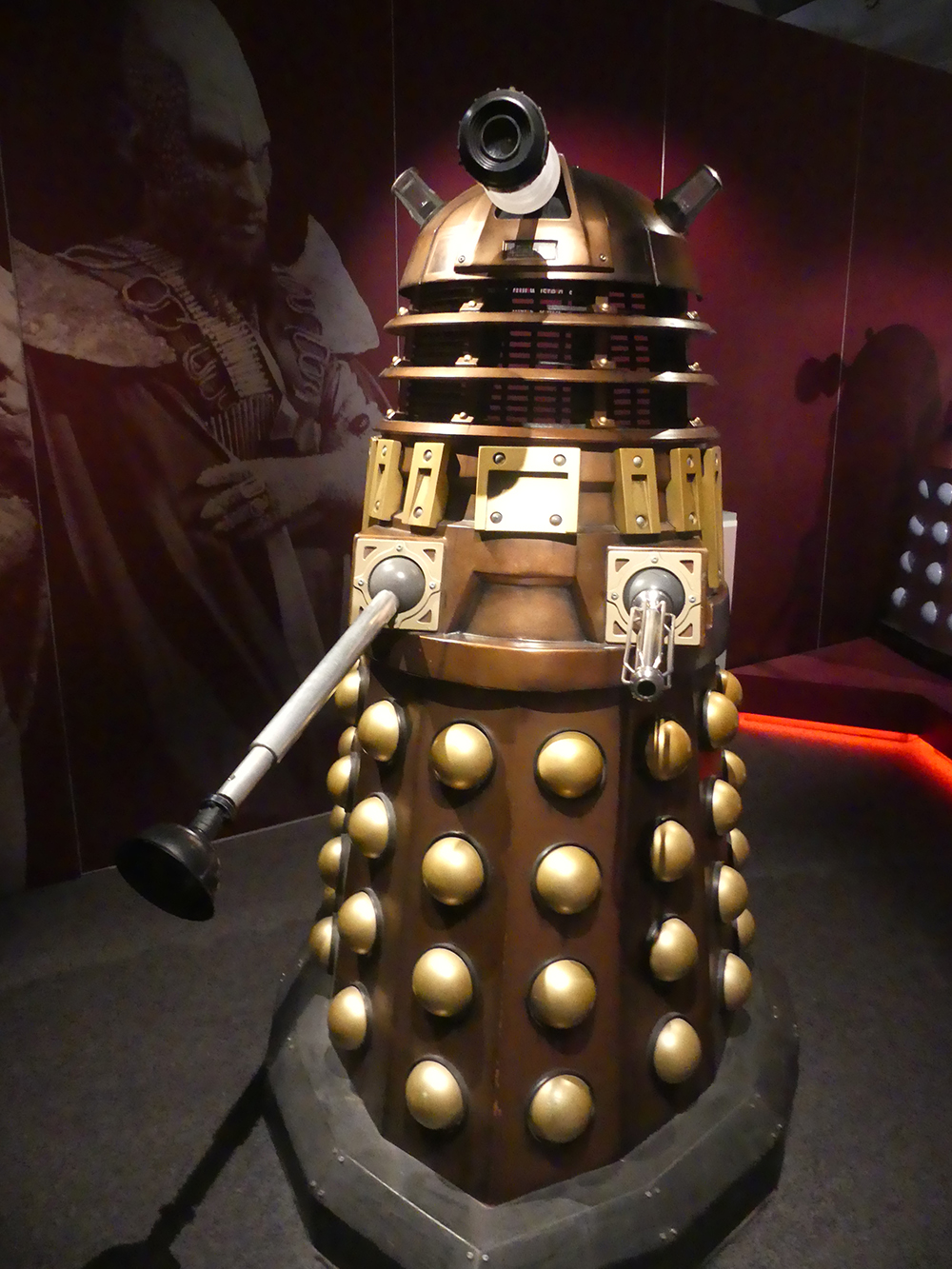
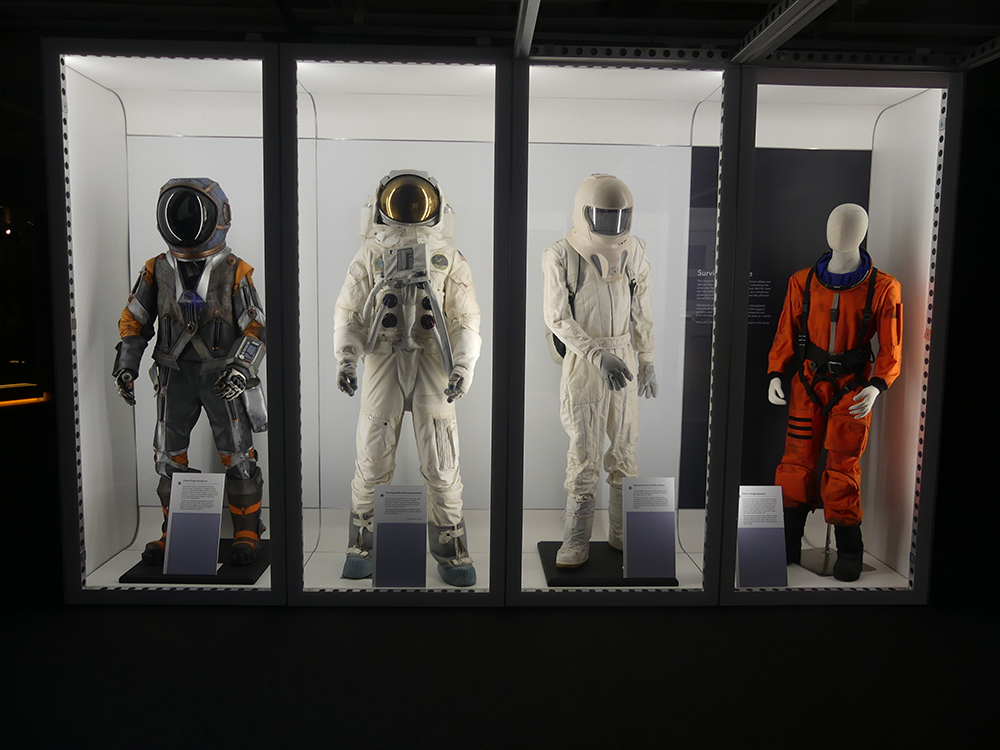
On July 22, 2025, walking into the Comic-Con Museum in Balboa Park, San Diego, it is immediately clear why Doctor Who Worlds of Wonder: Where Science Meets Fiction has become one of the institution’s defining exhibitions of the year, not just as a fan attraction but as a statement of intent about what the Comic-Con Museum wants to be in the long term. Officially launched in the United States on March 15, 2025, this exhibition marks the U.S. premiere of a project developed in close collaboration with BBC Studios, and it embraces the idea that Doctor Who, the longest-running science-fiction television series in the world since its debut in 1963, is not merely pop entertainment but a living bridge between imagination, scientific curiosity, and education. Entering through the doors of the iconic blue police box, the TARDIS, is not a gimmick here; it is a narrative device that immediately places visitors inside the mythology of the show while preparing them for a carefully structured journey through eight immersive zones designed to connect fictional storytelling with real-world scientific principles, from astrophysics to environmental science.
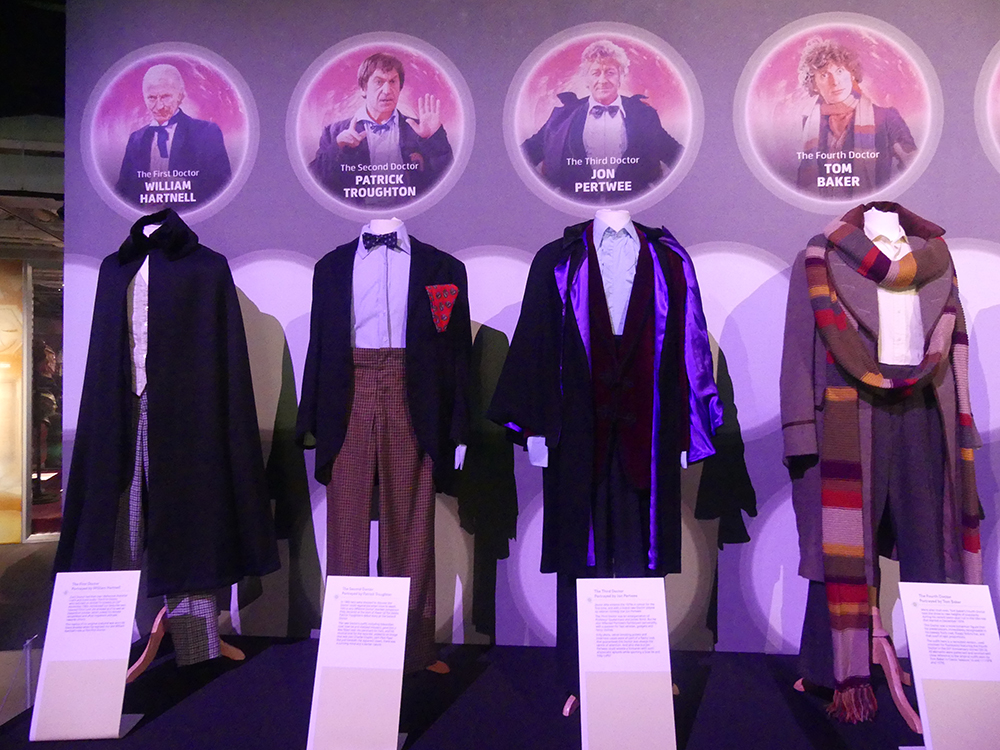
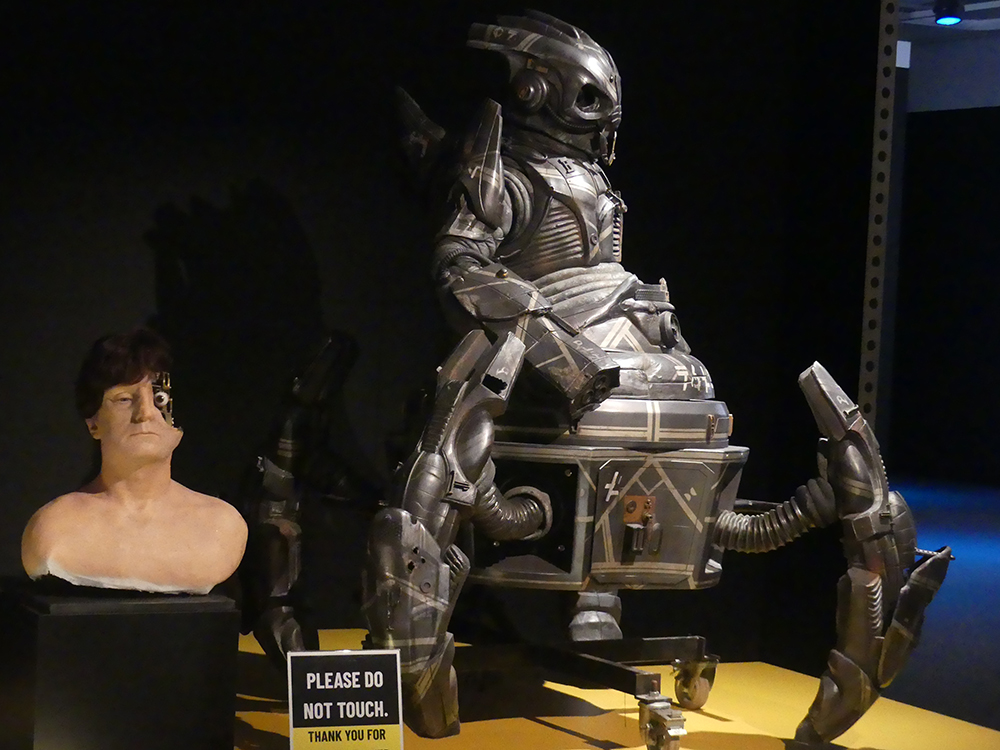
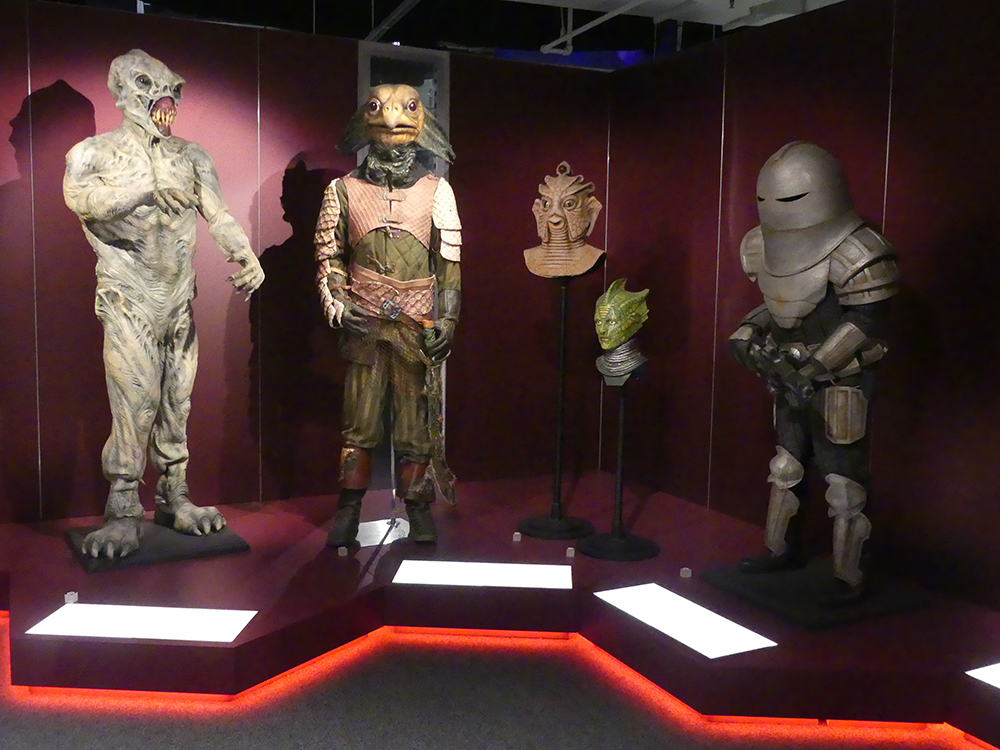
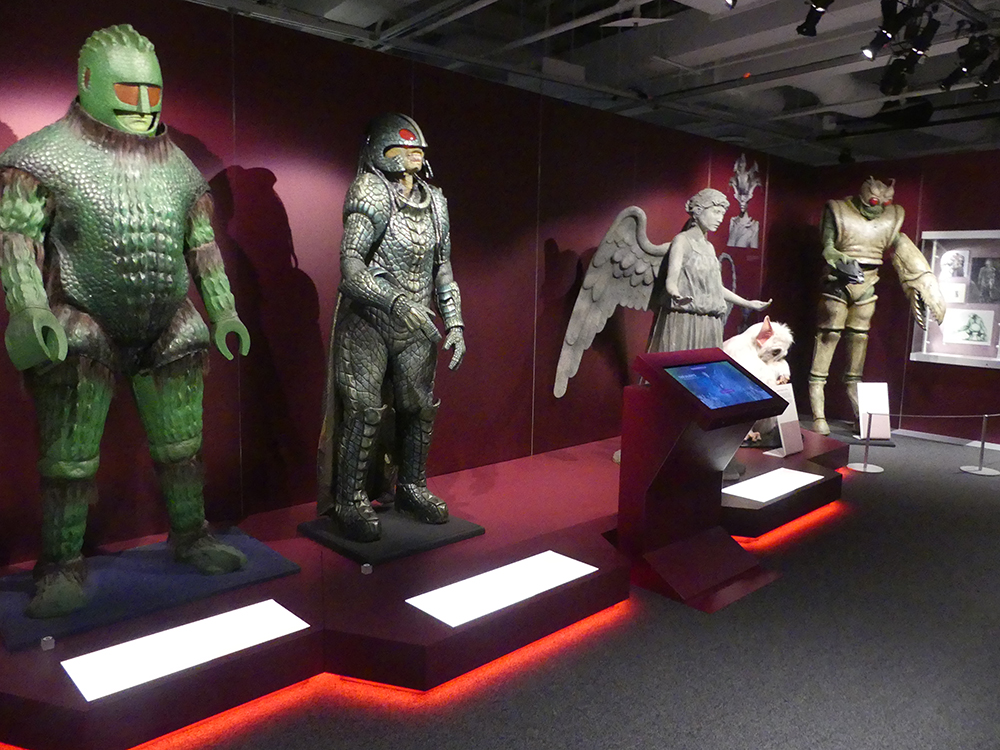
What makes Doctor Who Worlds of Wonder particularly striking is how confidently it balances spectacle and substance, something the Comic-Con Museum has been steadily refining as it positions itself as a year-round cultural hub rather than a mere extension of the annual San Diego Comic-Con. The exhibition invites visitors to move through a chronological and conceptual exploration of the Doctor’s universe, showcasing original props, costumes, and production materials while simultaneously unpacking the scientific ideas that inspired them. The Monster Vault, one of the most talked-about sections, places visitors face to face with the Cybermen and the Weeping Angels, not simply as iconic villains but as conceptual reflections on themes like artificial intelligence, transhumanism, and perception. Nearby, the Dalek voice simulator offers a moment of playful interaction, yet even this crowd-pleasing feature subtly reinforces how sound design and vocal modulation contribute to the psychological impact of science-fiction antagonists, a detail that resonates strongly with fans who have grown up both fearing and loving these characters.
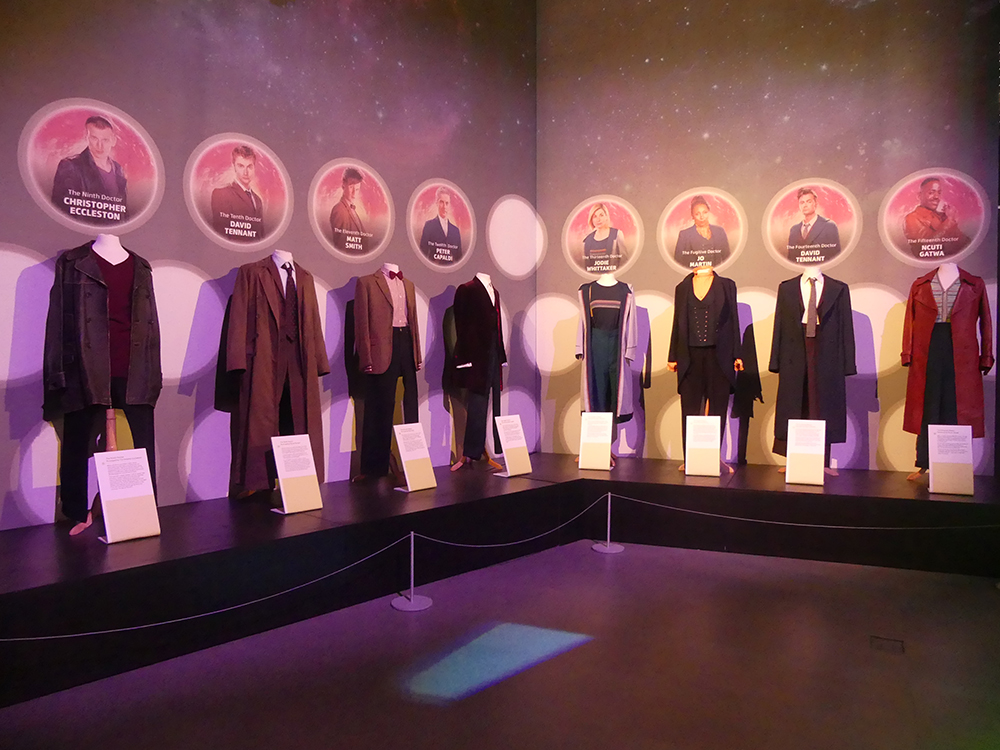
A key element that elevates the experience is the narration by Mark Gatiss, whose long association with Doctor Who and well-documented passion for science lend the exhibition an authoritative yet accessible tone. His voice guides visitors through complex ideas such as the space-time continuum, DNA manipulation, artificial intelligence, and environmental science, grounding each concept in moments from the series while pointing toward real scientific research and historical context. This approach reflects the curatorial vision articulated by Steven Swaby, the exhibition’s curator, who has emphasized that science has been part of Doctor Who’s DNA since its earliest episodes. By connecting the scientific optimism of the 1960s with contemporary concerns like space exploration and global warming, the exhibition demonstrates how the show has continuously evolved alongside public understanding of science and technology, rather than existing in a vacuum of fantasy.
From an institutional perspective, the exhibition’s success has been significant enough that the Comic-Con Museum confirmed an extension of its run well beyond its original closing date. Initially scheduled to conclude on March 14, 2026, Doctor Who Worlds of Wonder: Where Science Meets Fiction will now remain on view until January 14, 2027, making San Diego the exclusive U.S. destination for this experience for nearly two full years. David Glanzer, speaking on behalf of Comic-Con, highlighted this decision as a response to both public enthusiasm and the museum’s educational mission, underscoring the desire to give audiences more time to engage with an exhibition that is simultaneously inspiring, entertaining, and instructive. This extension also reflects the museum’s growing confidence in hosting long-term, high-profile installations that can anchor its programming calendar well beyond the summer convention season.
Seen within the broader context of the Comic-Con Museum’s evolution, Doctor Who Worlds of Wonder feels less like a standalone attraction and more like a manifesto. Unlike the annual Comic-Con International, which transforms San Diego for a few intense days each July, the museum operates as a permanent space where pop culture is treated as participatory, educational, and culturally significant. Visitors are encouraged not just to observe but to interact, whether through themed installations, STEAM-oriented workshops, or curated screenings and panels that extend the ideas presented in exhibitions. In this environment, Doctor Who becomes a gateway, especially for younger audiences and school groups, into discussions about science, ethics, and storytelling that might otherwise feel abstract or inaccessible in a traditional classroom setting.
The exhibition also reinforces the Comic-Con Museum’s role in the democratization of fandom, a theme that has become increasingly central to its identity. By making a globally beloved franchise accessible year-round, the museum allows fans who cannot attend Comic-Con International in July to still experience a meaningful connection to the culture surrounding it. For international visitors, the presence of Doctor Who Worlds of Wonder adds a compelling reason to include the Comic-Con Museum in a Southern California itinerary, while for local audiences it provides a recurring point of engagement through repeat visits, special events, and educational programming tied to the exhibition’s themes.
Ultimately, Comic-Con Museum 2025 : Doctor Who Worlds of Wonder stands as a clear example of how pop culture exhibitions can transcend nostalgia to become platforms for learning and dialogue. By framing Doctor Who through the lens of real scientific inquiry, the exhibition honors the series’ legacy while reaffirming its relevance in a world increasingly shaped by technological and environmental challenges. In doing so, the Comic-Con Museum not only celebrates fandom but also validates it as a meaningful cultural force, one capable of inspiring curiosity, critical thinking, and a sense of shared imagination across generations.
You can discover our photos in our Flickr page here
Photos and video : Boris Colletier / Mulderville