 English
Premiere - The Wizard of the Kremlin - Olivier Assayas Unveils a Chilling Chronicle of Power
By Mulder, Paris, Cinémathèque, 13 january 2026
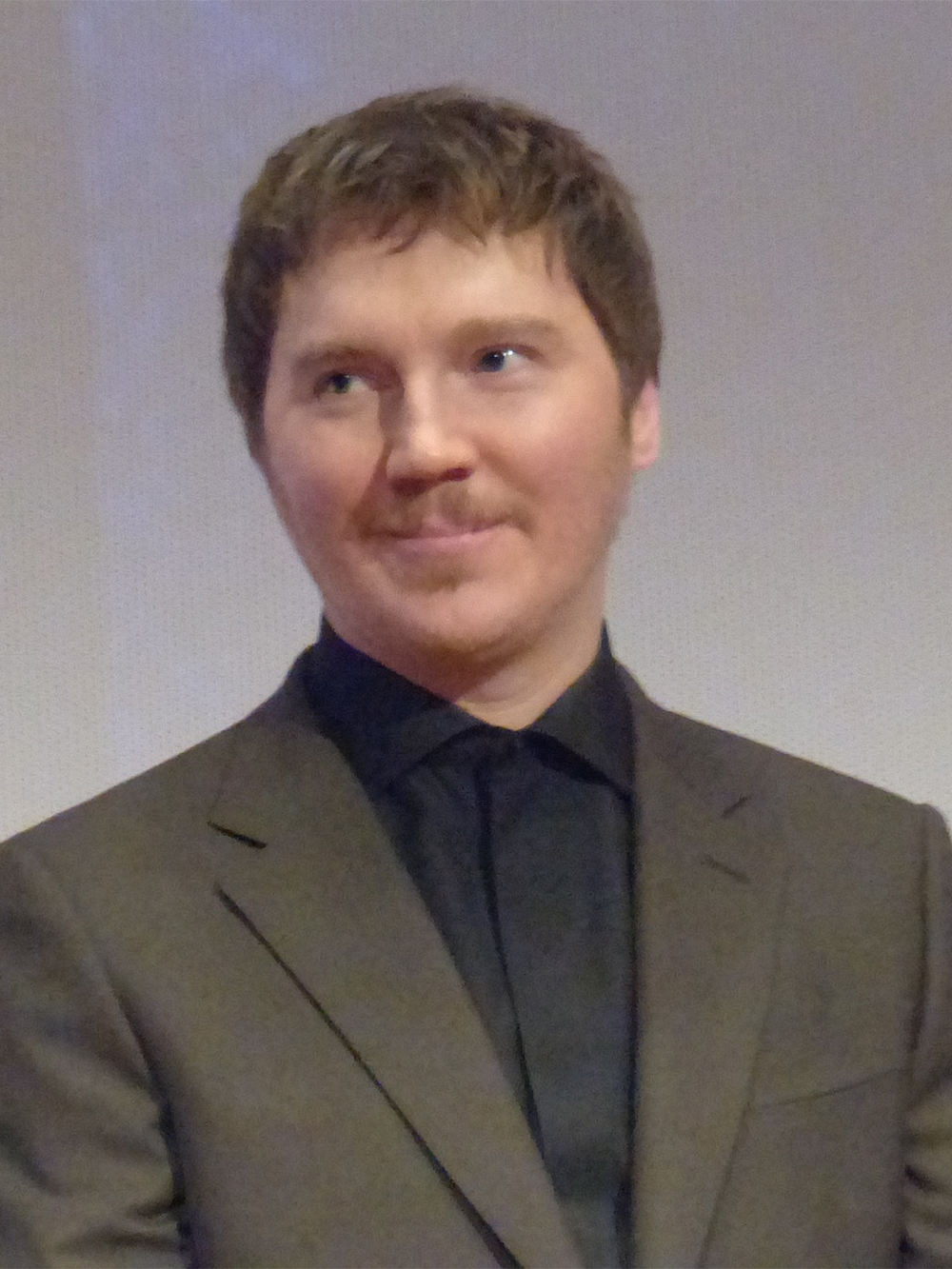
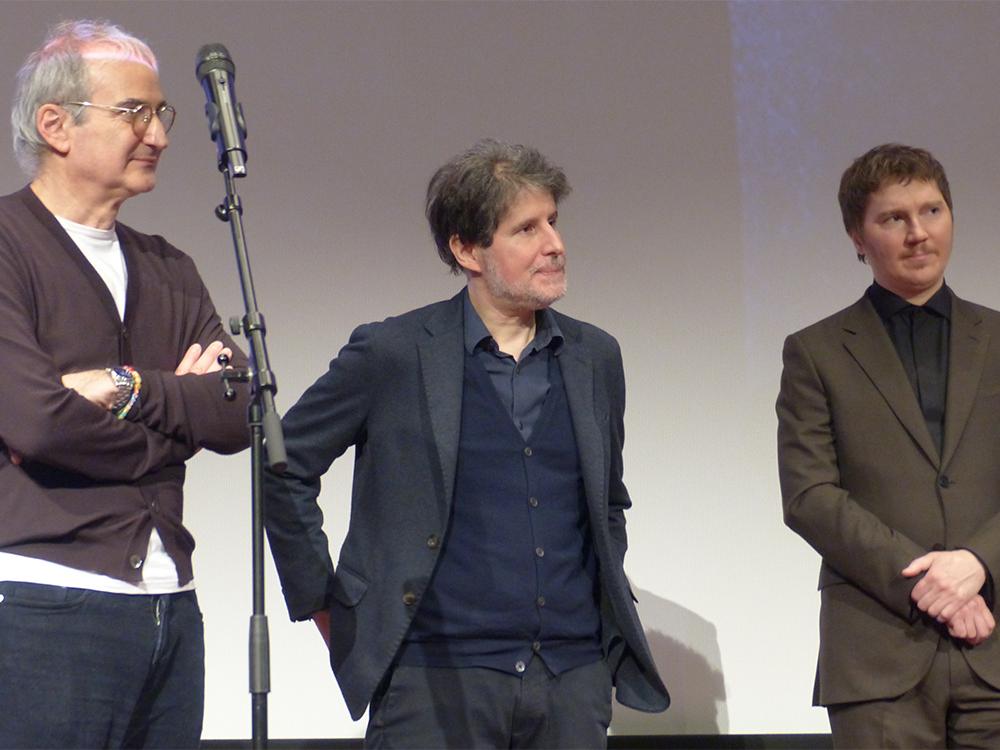
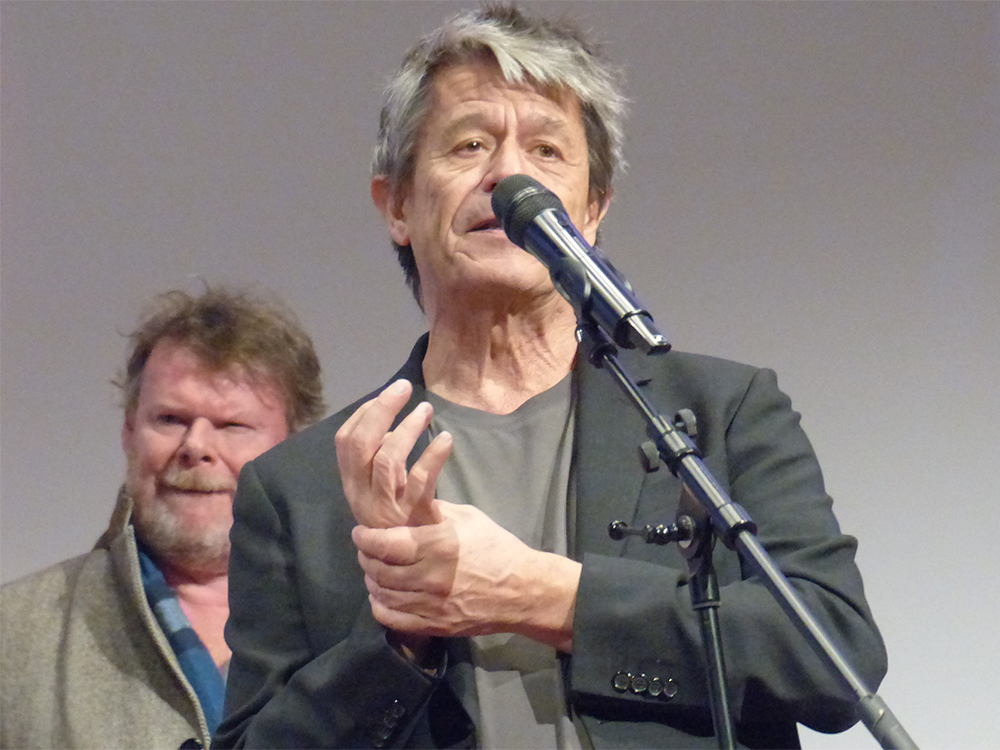
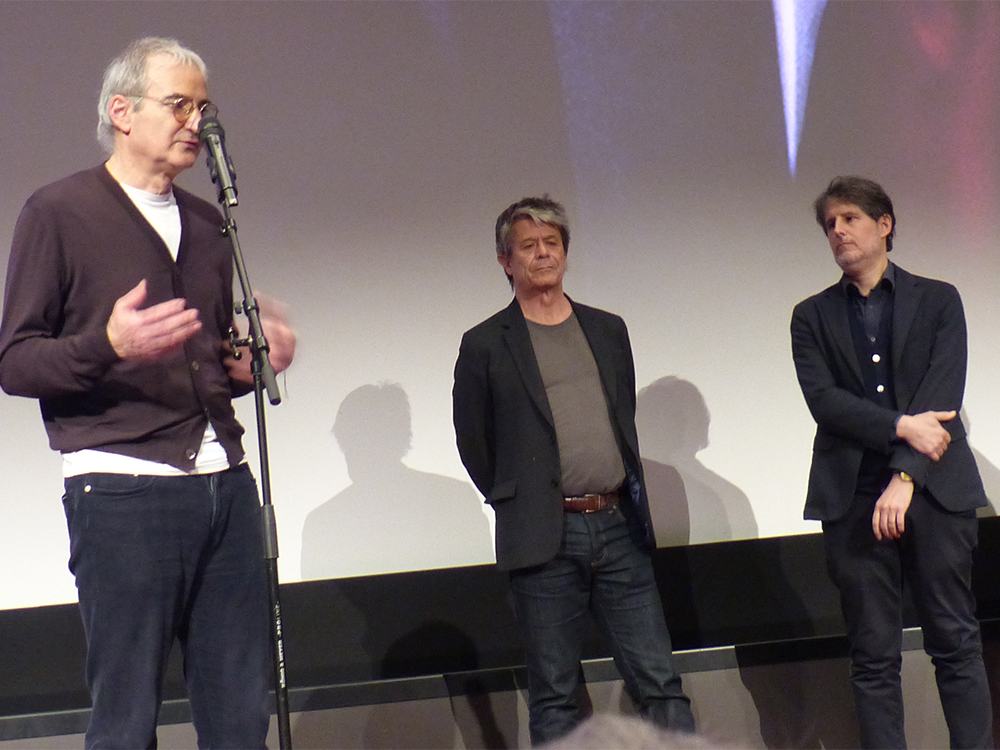
On January 13, 2026, the Cinémathèque Française in Paris hosted a premiere that felt less like a traditional gala and more like a moment of intellectual confrontation with recent history, as The Wizard of the Kremlin was presented to an audience keenly aware of the film’s political and cultural weight. Our media outlet was invited to attend this Parisian premiere, where Olivier Assayas, accompanied by co-screenwriter Emmanuel Carrère and lead actor Paul Dano, briefly introduced the film before the screening, setting a sober and reflective tone that matched the material. From the outset, it was clear that this was not merely a prestige adaptation, but a carefully constructed cinematic object designed to interrogate power, complicity, and the mechanics of political myth-making. Drawing from the acclaimed 2022 novel by Giuliano da Empoli, winner of the Grand Prix du Roman de l’Académie française, the film positions itself at the crossroads of historical reconstruction and moral inquiry, a balance Olivier Assayas has openly described as non-negotiable when dealing with contemporary political subject matter.
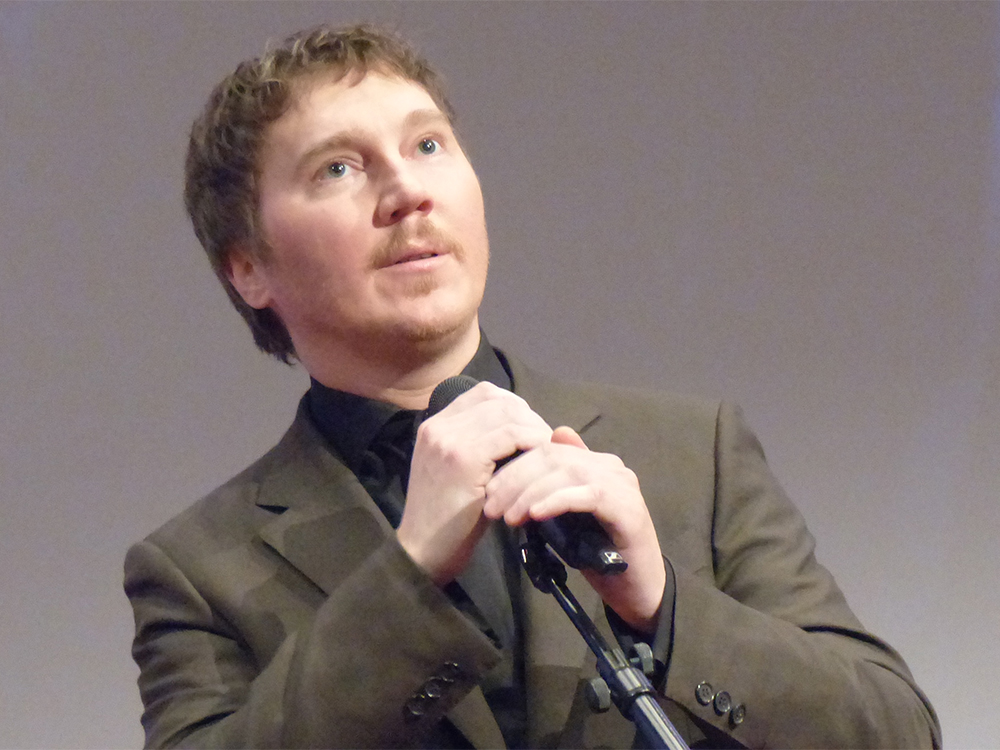
Set against the collapse of the Soviet Union and the chaotic rebirth of Russia in the 1990s, The Wizard of the Kremlin follows the fictional character Vadim Baranov, portrayed with unsettling restraint by Paul Dano, as he evolves from avant-garde artist to reality television producer and ultimately to a central architect of political power. Baranov becomes the unofficial advisor and spin doctor to a former KGB agent destined for absolute authority, Vladimir Putin, embodied here by Jude Law in a performance that deliberately avoids caricature in favor of internalized rigidity and moral opacity. The narrative charts nearly three decades of Russian political life, from the fleeting post-Soviet illusion of freedom to the consolidation of an authoritarian system built as much on narrative control as on brute force. Around them orbit figures played by Alicia Vikander, Tom Sturridge, Will Keen, and Jeffrey Wright, each contributing to a portrait of a world where ideology, media, and personal ambition are inseparably entangled. The character of Ksenia, played by Alicia Vikander, stands out as a crucial counterpoint: a rare figure of autonomy in a male-dominated ecosystem, embodying the possibility of moral resistance that Baranov himself is incapable of sustaining.
What gives The Wizard of the Kremlin its particular resonance is not only its subject matter, but the rigor with which Olivier Assayas and Emmanuel Carrère approached the adaptation. Far from a loose transposition, the screenplay is the result of extensive historical research, cross-checked facts, and direct exchanges with journalists and specialists familiar with post-Soviet Russia, ensuring that the film’s dramatic liberties never undermine its factual backbone. Shot entirely in Latvia, notably in Riga, the production reconstructed Moscow, Saint Petersburg, the Kremlin, and even the Black Sea coastline with meticulous attention to spatial symbolism, underlining Olivier Assayas’s belief that power is inseparable from space and architecture. The choice to shoot in English, dictated by both political realities and production constraints, ultimately reinforces the film’s universal ambition: this is not only a Russian story, but a broader reflection on how modern power operates through media, algorithms, and the deliberate manipulation of perception, themes explicitly echoed in the director’s own commentary during the film’s development
Premiered in competition at the 82nd Venice International Film Festival on August 31, 2025, and now set for its French theatrical release on January 21, 2026, The Wizard of the Kremlin arrives burdened with expectations, but also armed with rare intellectual clarity. Produced by Olivier Delbosc for Curiosa Films in collaboration with Gaumont, and running 156 minutes, the film does not seek easy judgments or comforting distance. Instead, it forces the viewer to confront an uncomfortable truth repeatedly emphasized by both Giuliano da Empoli’s original novel and Olivier Assayas’s adaptation: that power is not sustained by monsters alone, but by intelligent, cultivated individuals who convince themselves that strategy absolves morality. Seen in the current geopolitical climate, the film’s impact is all the more striking, not because it explains everything, but because it dares to linger in the grey zones where responsibility, fascination, and historical inevitability dangerously overlap.
Synopsis :
Russia, in the 1990s. The USSR collapses. Amidst the turmoil of a country undergoing reconstruction, a young man of formidable intelligence, Vadim Baranov, forges his own path. First an artist, then a reality TV producer, he becomes the unofficial advisor to a former KGB agent destined for absolute power, the future “Tsar” Vladimir Putin. Immersed in the heart of the system, Baranov becomes a central cog in the new Russia, shaping discourse, images, and perceptions. But one presence escapes his control: Ksenia, a free and elusive woman, embodies a possible escape, far from the logic of influence and domination. Fifteen years later, after retiring into silence, Baranov agrees to speak. What he reveals blurs the lines between reality and fiction, conviction and strategy. The Kremlin Wizard is a dive into the arcane world of power, a story where every word conceals a flaw.
The Wizard of the Kremlin (Le Mage du Kremlin)
Directed by Olivier Assayas
Written by Olivier Assayas, Emmanuel Carrère
Based on The Wizard of the Kremlin by Giuliano da Empoli
Produced by Olivier Delbosc
Starring Paul Dano, Alicia Vikander, Tom Sturridge, Will Keen, Jeffrey Wright, Jude Law
Cinematography : Yorick Le Saux
Edited by Marion Monnier
Production companies : Gaumont, Curiosa Films, Pierce Capital Entertainment
Distributed by Gaumont (France)
Release date : 31 August 2025 (Venice), January 21, 2026 (France),
Running time : 156 minutes
Photos and video : Joelle Pinglot for Mulderville