 English
Convention - SDCC 2025 : Inside Iron Studios’ Show-Stopping Booth of Exclusive Marvel, DC, and TMNT Collectibles
By Mulder, San Diego, Convention Center, 23 july 2025

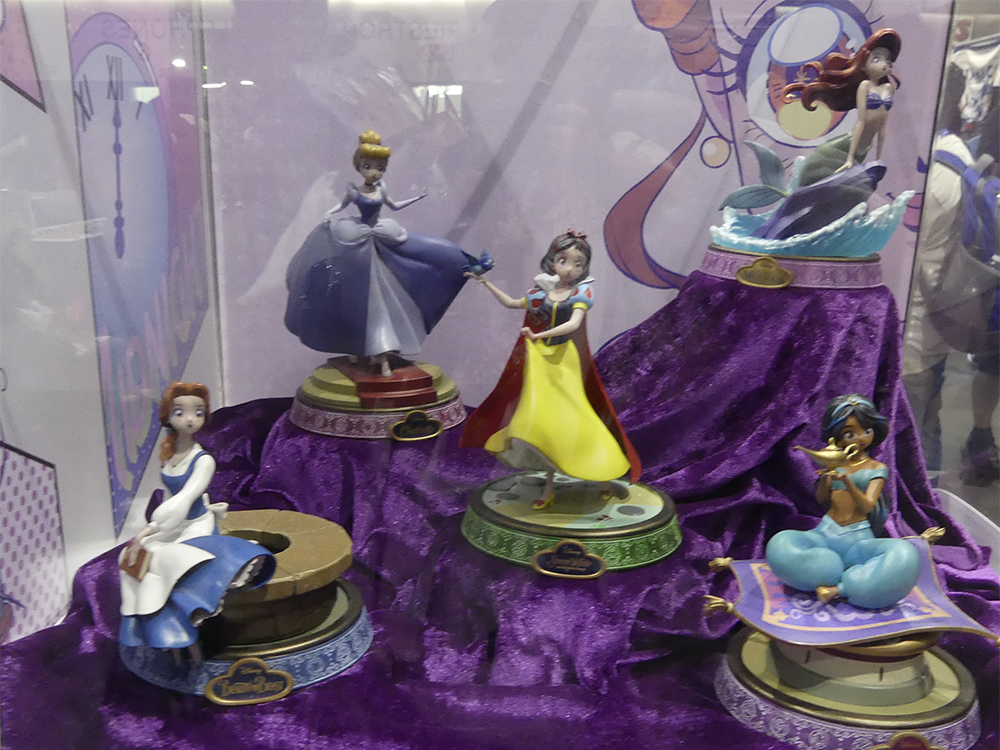
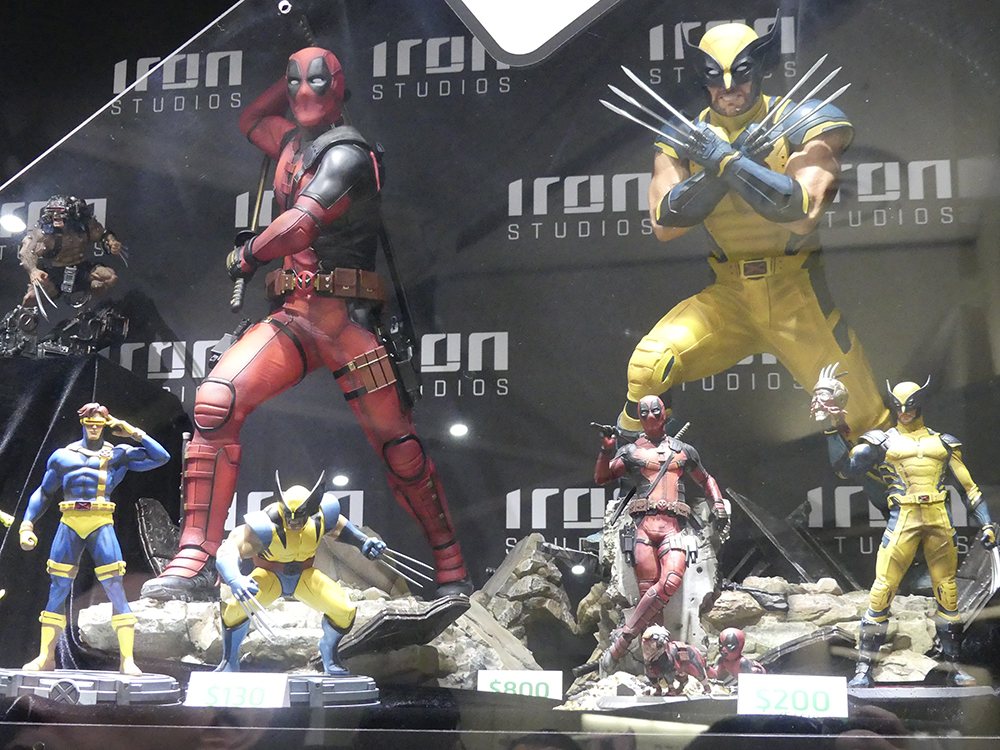
San Diego Comic-Con 2025 once again proved why it remains the beating heart of global pop culture, but among the endless aisles of collectibles, exclusives, and jaw-dropping reveals, the booth of Iron Studios emerged as a true show-stopper. Nestled at Booth #1815 inside the bustling San Diego Convention Center, the Brazilian powerhouse in collectible artistry transformed its space into a temple of fandom. From the moment the doors opened, visitors were drawn to the brand’s trademark blend of precision craftsmanship, striking character likeness, and the kind of attention to detail that makes even seasoned collectors stop in their tracks. Founded in São Paulo, Iron Studios has built its reputation on licensed statues from giants like Disney, Marvel Comics, DC Comics, and Star Wars, crafting their pieces from polystone—a high-density resin renowned for its durability and fine detail—while incorporating real fabric, die-casting, and other mixed-media touches for maximum realism. Their history is rich with milestones, from their earliest Ayrton Senna sculptures in partnership with Kotobukiya to their Marvel Studios licensing deal in 2012 and Warner Bros. partnership in 2015, and this year’s SDCC felt like a culmination of that journey, a living gallery showcasing the scale and ambition that have defined the brand.
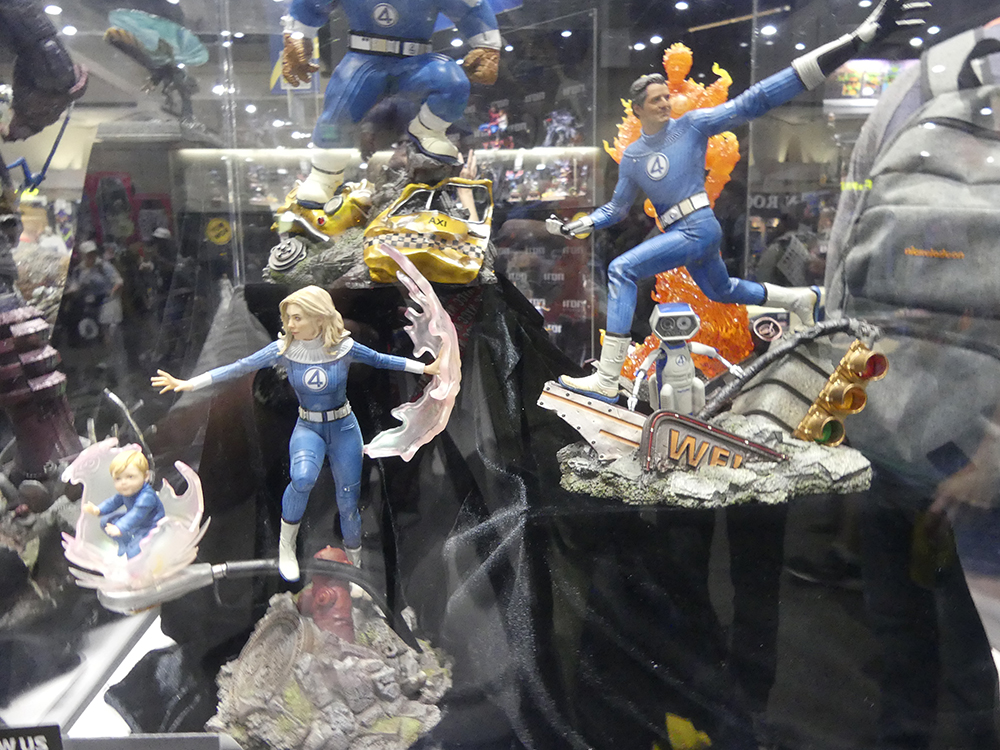
What truly made this year’s Iron Studios presence special was the exclusivity and sheer variety of the pieces on display. Collectors and casual fans alike were immediately greeted by a lineup of limited-run MiniCo exclusives—each one a stylized, highly expressive take on beloved characters, available for the first time at the convention. The Johnny Storm (Human Torch) MiniCo in a rare blue-suit variant was among the most sought-after, a clever nod to the character’s classic comic appearances and a perfect conversation starter for Fantastic Four fans awaiting the upcoming cinematic reboot. Just a few feet away, the Gambit and Rogue Valentine’s Set radiated mutant romance, with Gambit’s trademark smirk and Rogue’s fierce yet affectionate expression, encapsulating decades of X-Men history in palm-sized form. Meanwhile, the Teenage Mutant Ninja Turtles Colour Variant Pack and its equally charming Master Splinter (Colour Variant) set tapped into pure nostalgia for ’80s and ’90s animation, offering collectors a vivid, display-ready homage to pizza-loving crime-fighters. Each exclusive was released in such limited numbers that by midday, conversations around the booth revolved around which pieces were already “sold through” and which might last until the evening rush.
And yet, as captivating as the MiniCo lineup was, there was one figure that overshadowed them all—both literally and figuratively. Standing in breathtaking 1/20 scale, the Galactus statue towered over the booth, a resin embodiment of Marvel’s legendary Devourer of Worlds. This wasn’t just a display piece; it was a statement. The sculpture captured every intricate panel of Galactus’s cosmic armor, from the deep metallic blues to the glowing accents that suggested uncontainable power. Fans lingered for minutes at a time, craning their necks to admire its imposing stance, while more than a few attendees were overheard debating where in their homes they could possibly make room for such an epic centerpiece. One collector, clutching an early pre-order ticket, joked that he’d need to “evict the couch” to give Galactus the space he deserved. For many, seeing this statue in person was worth the price of admission alone—it was a reminder that Iron Studios doesn’t just make collectibles, they make showpieces capable of anchoring an entire collection.
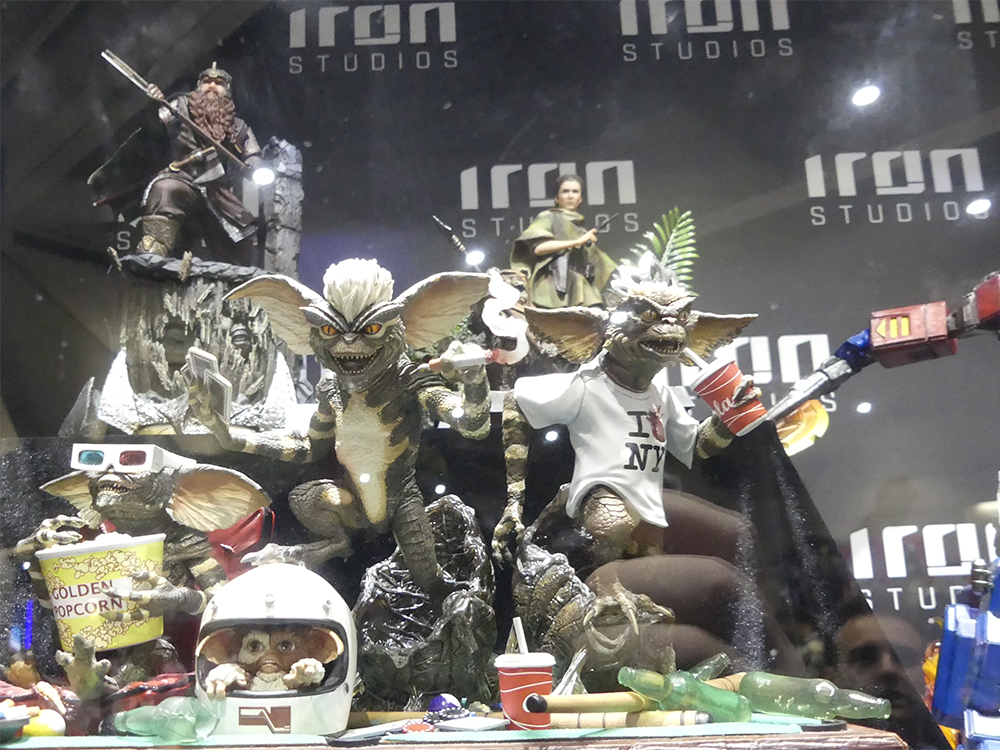
Throughout the weekend, the booth became a microcosm of Comic-Con’s larger spirit: a meeting point for passionate fans, meticulous artisans, and the kind of shared cultural touchstones that make strangers bond instantly. Behind the counter, Iron Studios representatives—many of them long-time members of the company—shared insights about the design process, from early concept sketches to the delicate hand-painting that gives each piece its final life. Those in the know could recall how the company’s early Ayrton Senna statues had already demonstrated their ability to merge realism with reverence, and how that same philosophy now fuels their Marvel, DC, and Star Wars lines. This year’s display wasn’t just a sales pitch; it was a living timeline of Iron Studios’ evolution, from a São Paulo-based upstart to a global leader in the high-end collectible market. For many attendees, the booth felt less like a temporary installation and more like a curated exhibition that deserved its own museum wing.
By the time Sunday rolled around and the final crowds made their way through the convention floor, Booth #1815 was still buzzing with the same energy it had on preview night. Bags filled with carefully packed statues, whispered tips between collectors on how to secure the remaining exclusives, and a palpable sense of having witnessed something memorable defined the space until the very end. For Iron Studios, SDCC 2025 was more than just another event on the calendar—it was a testament to their unwavering commitment to quality, their respect for the characters they bring to life, and their ability to turn a corner of a convention hall into a portal to other worlds. And for the fans, it was a reminder that in the right hands, a statue isn’t just a piece of polystone—it’s a story, a memory, and sometimes, a dream made solid.
You can discover our photos in our Flickr page
Photos and video : Boris Colletier / Mulderville